
Samsung

Compare models
Differences at a glance
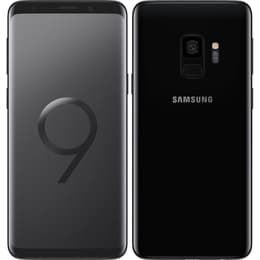
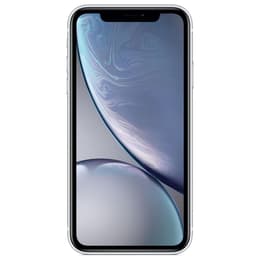
The Samsung Galaxy S9, released in March 2018, and the Apple iPhone XR, launched in October 2018, represent two distinct approaches to smartphone design and user experience from their respective manufacturers. While both devices offer capable performance for their era, they differ significantly in their operating systems, display technology, and camera philosophies. The Galaxy S9 runs on Android, offering a customizable interface, while the iPhone XR operates on iOS, known for its streamlined ecosystem. These core differences influence how users interact with each device and which features are prioritized.
Colour
Storage
When considering the long-term usability of these devices, their release timelines and software support are key factors. The Samsung Galaxy S9 was released in March 2018, while the iPhone XR followed in October 2018.
Year of Release
Compatible with latest Update
OS
Foldable
The performance of the Galaxy S9 and iPhone XR is driven by their respective internal components, influencing how smoothly they handle applications and multitasking.
The visual experience on these two smartphones is a significant differentiator, primarily due to their underlying display technologies.
Resolution
Screen type
Both the Galaxy S9 and iPhone XR offer capable camera systems, though they approach photography with different strengths and features.
Main camera
Front camera
Beyond the core features, several other practical elements contribute to the overall user experience of the Galaxy S9 and iPhone XR.
Weight
Width
Height
Screen size (in)
Network
SIM card
Carrier compatibility
Connector
The Samsung Galaxy S9 and iPhone XR, while both capable smartphones from 2018, cater to different user preferences due to their distinct ecosystems and hardware focuses. User sentiment often praises the Galaxy S9 for its vibrant Super AMOLED display and versatile camera with a variable aperture, particularly for those who appreciate rich colors and strong low-light photography. Some users, however, found its battery life to be adequate rather than exceptional for heavy use.
The iPhone XR is frequently lauded for its robust performance, thanks to its efficient processor, and its generally reliable battery life, which often exceeds expectations for an iPhone of its generation. Its single camera, enhanced by computational photography, also received praise for delivering consistent results and Portrait Mode capabilities. Some common criticisms for the iPhone XR at its release included its LCD display resolution being lower than other premium phones of the time, and the absence of a telephoto lens.
Users prioritizing a highly customizable Android experience, a sharper display with deeper blacks, and the flexibility of expandable storage may find the Samsung Galaxy S9 to be a compelling choice. Its variable aperture camera also appeals to those who enjoy more control over their photography in varied lighting. Conversely, users who value a streamlined, long-supported operating system, consistent performance, and a strong focus on computational photography will likely lean towards the iPhone XR. Its Face ID system and overall integration within the Apple ecosystem are also significant draws.
Both devices remain viable options for everyday use, especially when considering quality-assured refurbished alternatives, offering a sustainable choice for consumers.