

Compare models
Google Pixel 6A Vs Google Pixel 8a
- 1-year minimum warranty
- Free delivery on all orders
- Free 30-day returns
Differences at a glance
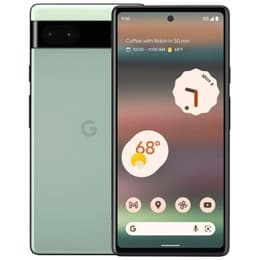
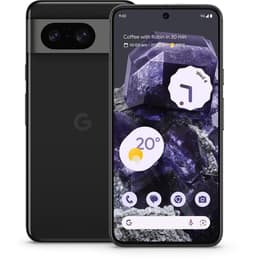
The Google Pixel 6a, released in 2022, and the Google Pixel 8a, launched in 2024, are both mid-range smartphones from Google's A-series line. While they share a similar design philosophy and run on the Android operating system, the Pixel 8a introduces a more advanced processor, an upgraded camera system, and significantly extended software support. Both devices aim to deliver a clean Android experience with Google's signature computational photography.
Available Models
Colour
Storage (GB)
Scores
Durability
The practical lifespan of a smartphone is heavily influenced by its software support and physical resilience.
- Software Longevity: The Pixel 6a, released in 2022, typically receives three years of major Android operating system updates and five years of security updates from its launch. In contrast, the Pixel 8a, launched in 2024, offers an impressive seven years of OS updates, security updates, and feature drops, providing a much longer period of official support.
- Physical Durability: Both devices feature a plastic back and Gorilla Glass 3 on the front, offering a similar level of scratch resistance for the display. They also share an IP67 rating for dust and water resistance, meaning they can withstand immersion in up to one meter of water for 30 minutes.
- Repairability: While specific repairability scores can vary, both Pixel A-series phones are generally designed with a balance of durability and repair access in mind, though professional repair is often recommended for internal components.
Year of Release
2022
2024
Compatible with latest Update
Yes
Yes
OS
Android
Android
Foldable
No
No
Performance
Performance differences between the two models stem primarily from their internal processing capabilities and memory configurations.
- Processing Power: The Pixel 6a is equipped with an earlier generation of Google's custom processor, which handles everyday tasks, app navigation, and moderate gaming smoothly. The Pixel 8a, however, features a newer, more powerful processor, enabling faster app loading, more seamless multitasking, and a more responsive experience with demanding applications and graphics-intensive games.
- Multitasking and Storage: The Pixel 6a comes with 6GB of RAM and 128GB of internal storage. The Pixel 8a steps up to 8GB of RAM, which contributes to improved multitasking efficiency, and offers both 128GB and 256GB storage options, providing more flexibility for users with larger digital libraries.
- Battery Behavior: Both devices house batteries with similar capacities, providing sufficient power for a full day of typical use. However, the Pixel 8a's more efficient processor can potentially lead to slightly better endurance under similar workloads, though real-world usage varies.
Screen quality
The visual experience on both Pixel A-series phones is delivered through vibrant OLED displays, but with notable distinctions in fluidity and brightness.
- Display Technology and Size: Both the Pixel 6a and Pixel 8a feature a 6.1-inch OLED display with a resolution of 1080 x 2400 pixels, delivering deep blacks and rich colors. This size offers a comfortable viewing experience for most users, balancing screen real estate with single-handed usability.
- Refresh Rate: A key differentiator is the refresh rate. The Pixel 6a has a standard 60Hz refresh rate, which provides a smooth experience for general use. The Pixel 8a, however, boasts a 120Hz refresh rate, resulting in noticeably smoother scrolling, more fluid animations, and a more responsive feel during interactions.
- Brightness Levels: The Pixel 8a offers significantly higher peak brightness compared to the Pixel 6a, making it easier to view content clearly in bright outdoor conditions or direct sunlight. This enhanced brightness improves overall visibility and readability in various environments.
Resolution
1080 x 2400
1080 x 2400
Screen type
OLED
OLED
Audiovisual
Google's Pixel phones are renowned for their camera capabilities, and both the 6a and 8a deliver strong photographic performance, with the newer model offering enhancements.
- Main Camera System: The Pixel 6a features a 12.2-megapixel main camera with optical image stabilization (OIS), capable of capturing detailed and well-exposed photos in various conditions. The Pixel 8a upgrades to a 64-megapixel main sensor, also with OIS, which allows for greater detail, improved low-light performance, and more flexibility for cropping images.
- Ultra-wide and Front Cameras: Both devices include an ultra-wide lens, with the Pixel 6a having a 12-megapixel sensor and the Pixel 8a a 13-megapixel sensor, providing a wider field of view for landscapes and group shots. For selfies and video calls, the Pixel 6a uses an 8-megapixel front camera, while the Pixel 8a features a 13-megapixel front camera, offering higher resolution and potentially better detail.
- Video and Audio: Both phones are capable of recording high-quality video. The Pixel 8a, with its newer processor, may offer more advanced video features and computational photography enhancements. For audio, both provide clear microphone quality for calls and recordings, and their stereo speakers offer a balanced sound experience for media consumption.
Main camera
12.2 megapixels
64 megapixels
Front camera
8 megapixels
13 megapixels
Miscellaneous
Beyond core specifications, several practical features contribute to the overall user experience of these Pixel smartphones.
- Connectivity Standards: Both the Pixel 6a and Pixel 8a support 5G cellular networks and Wi-Fi 6E for fast wireless internet. The Pixel 8a includes Bluetooth 5.3, a slight upgrade from the Pixel 6a's Bluetooth 5.2, potentially offering more stable connections and improved power efficiency with compatible accessories.
- Physical Design and Handling: The dimensions and weight of both phones are very similar, making them comfortable to hold and use with one hand. The Pixel 6a measures 152.2 x 71.8 x 8.9 mm and weighs 178g, while the Pixel 8a is 152.1 x 72.7 x 8.9 mm and weighs 188g. Both utilize a USB-C port for charging and data transfer.
- Biometric Security: Both devices feature an under-display fingerprint sensor for secure unlocking. The Pixel 8a adds the convenience of Face Unlock, providing an additional biometric authentication method for users.
Weight
250 g
188 g
Screen size (in)
6.1
6.1
Network
5G
5G
SIM card
Physical SIM + eSIM
Physical SIM + eSIM
Carrier compatibility
Unlocked
Unlocked
Connector
USB-C
USB-C
What the community thinks
The Google Pixel 6a and Pixel 8a both offer a compelling Android experience, characterized by clean software and strong camera performance. Users often praise the Pixel A-series for delivering a solid overall package without unnecessary complexity. The Pixel 6a is frequently noted for its reliable performance and excellent camera capabilities for its release year. Common feedback for the Pixel 8a highlights its significantly improved display smoothness and the promise of extended software support.
Users prioritizing a reliable and straightforward Android smartphone for everyday tasks, who do not require the absolute latest features or the longest software update cycle, may find the Pixel 6a well-suited to their needs. Conversely, users who value long-term software updates, a more fluid display experience, enhanced camera capabilities, and more robust performance for demanding applications will likely lean towards the Pixel 8a. Choosing a quality-assured refurbished option for either model can also be an eco-friendly alternative, extending the life of these devices and supporting sustainable consumption.