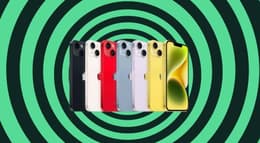
iPhone

Compare models
Differences at a glance
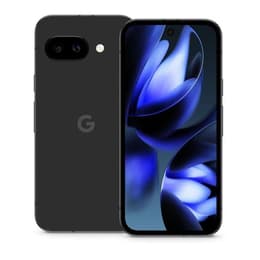
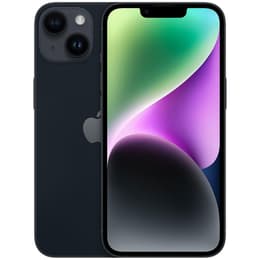
The Google Pixel 9a (2025) and the Apple iPhone 14 (2022) represent two distinct approaches to everyday mobile technology, contrasting different release years and operating systems. While the Google Pixel 9a runs on Android and emphasizes modern software intelligence, the iPhone 14 operates on iOS within a streamlined hardware ecosystem. These devices differ primarily in their software platforms and design philosophy, catering to users looking for distinct daily experiences.
Colour
Storage (GB)
When evaluating structural longevity and software support, both devices provide long-term reliability through different update schedules and build quality standards.
Year of Release
Compatible with latest Update
OS
Foldable
Daily operation and multitasking capabilities vary based on internal hardware efficiency and software optimization across both models.
Display characteristics differ in panel technology and motion smoothness, affecting how content is viewed indoors and outdoors.
Resolution
Media capture and multimedia playback capabilities reflect distinct sensor arrangements and audio engineering choices.
Front camera
Physical dimensions and connectivity standards shape how each device fits into daily routines and travel environments.
Weight
Screen size (in)
Network
SIM card
Carrier compatibility
Connector
User feedback from online communities highlights distinct preferences for each device based on operating system familiarity and daily requirements. Owners of the Google Pixel 9a frequently praise its smooth high-refresh-rate screen and long-lasting battery capacity, though some note that its plastic rear build feels different from traditional glass backs. Conversely, users of the iPhone 14 often commend its reliable build quality and straightforward iOS interface, while noting that its standard refresh rate and older connector type feel less modern. When exploring these choices, opting for a quality-assured refurbished option provides a sustainable, eco-friendly alternative that extends device lifecycles.
Users who prioritize fluid screen motion, extensive software update longevity, and USB-C connectivity will find the Google Pixel 9a well-suited to their needs. Meanwhile, users who prefer the Apple iOS ecosystem, compact handling, and traditional hardware styling may lean toward the iPhone 14. Evaluating these individual priorities helps determine which device aligns best with your daily workflow.