

Google Pixel 7 Pro Vs iPhone 13 Pro Max

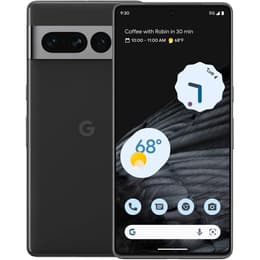
Google Pixel 7 Pro
Google Pixel 7 Pro
Starting at

Refurbished price:201.00

Versus €640.98 new

See options
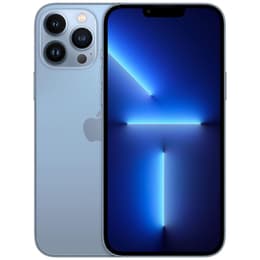
iPhone 13 Pro Max
iPhone 13 Pro Max
Starting at

Refurbished price:372.00

Versus €1,249.00 new

See options

Ratings

The Google Pixel 7 Pro, released in October 2022, and the iPhone 13 Pro Max, launched in September 2021, are both flagship smartphones from their respective manufacturers. While the Pixel 7 Pro operates on Android and emphasizes AI-driven features, the iPhone 13 Pro Max runs on iOS, known for its stability and integrated ecosystem. These devices offer distinct approaches to mobile technology, particularly in camera capabilities and overall user experience.

Scores

Durability

When considering the long-term usability of these devices, several factors contribute to their expected lifespan, including software support and physical durability.

  • Release Timeline: The iPhone 13 Pro Max was released in September 2021, making it approximately one year older than the Google Pixel 7 Pro, which launched in October 2022. This difference in release dates can impact the duration of future software support.
  • Software Longevity: Both devices receive regular operating system updates. The iPhone 13 Pro Max, running iOS, typically receives major iOS updates for about 5-6 years from its release. The Pixel 7 Pro, running Android, generally receives 3 years of major OS updates and 5 years of security updates from its release.
  • Physical Durability: Both phones feature IP68 water and dust resistance. The iPhone 13 Pro Max incorporates Ceramic Shield for its display, which is designed for enhanced scratch resistance, and a stainless steel frame. The Pixel 7 Pro uses Gorilla Glass Victus on both the front and back, with an aluminum frame.

Year of Release

2022

2021

Compatible with latest Update

Yes

Yes

OS

Android

iOS

Foldable

No

No

Performance

The performance of a smartphone is crucial for daily tasks, from browsing to demanding applications. Both the Pixel 7 Pro and iPhone 13 Pro Max offer robust performance, though their underlying architectures differ.

  • System Responsiveness: The iPhone 13 Pro Max is recognized for its consistent fluidity and smooth operation, even with numerous applications running. The Pixel 7 Pro delivers a responsive experience, leveraging its internal hardware for tasks like real-time translation and voice typing.
  • Multitasking Capabilities: The Pixel 7 Pro comes with 12GB of RAM, while the iPhone 13 Pro Max has 6GB of RAM. Despite the difference in RAM, both devices handle multitasking effectively, allowing users to switch between apps smoothly.
  • Demanding Applications and Gaming: For everyday use, both phones perform well. However, for highly demanding games and applications, the iPhone 13 Pro Max tends to maintain smoother performance. The Pixel 7 Pro's processor is optimized for AI and machine learning tasks, which benefits features like photo processing, but may require lowering graphics settings for the most intensive games.

Memory (GB)

12 GB

6 GB

Screen quality

The display is a primary interface for users, and both devices offer high-quality viewing experiences with distinct characteristics.

  • Display Technology and Clarity: Both the Pixel 7 Pro and iPhone 13 Pro Max feature 6.7-inch OLED displays, providing deep blacks and vibrant colors. The Pixel 7 Pro has a sharper resolution of 1440 x 3120 pixels, compared to the iPhone 13 Pro Max's 1284 x 2778 pixels.
  • Brightness and Outdoor Visibility: The Pixel 7 Pro offers a peak brightness of 1500 nits, while the iPhone 13 Pro Max reaches 1200 nits. This can make the Pixel 7 Pro's screen appear brighter in direct sunlight.
  • Refresh Rate and Smoothness: Both phones feature adaptive refresh rates up to 120Hz, which dynamically adjusts based on content. This results in smooth scrolling and a responsive feel during interactions. The Pixel 7 Pro's display is slightly curved at the edges, whereas the iPhone 13 Pro Max has a flat display.

Resolution

1440 x 3120

1284 x 2778

Screen type

LTPO AMOLED

Super Retina XDR OLED

Audiovisual

Both smartphones are equipped with advanced camera systems, but they approach photography with different philosophies and hardware configurations.

  • Rear Camera System: The Pixel 7 Pro features a triple camera setup with a 50MP main sensor, a 12MP ultrawide sensor, and a 48MP telephoto lens offering 5x optical zoom. The iPhone 13 Pro Max also has a triple 12MP camera system, including wide, ultrawide, and a telephoto lens with 3x optical zoom.
  • Photography Performance: The Pixel 7 Pro excels in computational photography, with features like Photo Unblur and faster Night Sight, often producing images with cooler tones and higher contrast. The iPhone 13 Pro Max is known for its natural color reproduction and consistent image quality across various lighting conditions. Both offer macro photography capabilities.
  • Video Recording Quality: The iPhone 13 Pro Max is often favored for video recording due to its strong stabilization and features like Cinematic mode, which provides a shallow depth-of-field effect. The Pixel 7 Pro also offers impressive stabilization and unique editing tools for video.

Main camera

50 megapixels

12 megapixels

Front camera

10.8 megapixels

12 megapixels

Miscellaneous

Beyond core performance and display, several practical elements contribute to the overall user experience of these devices.

  • Connectivity and Ports: Both phones support 5G connectivity. The Pixel 7 Pro features Wi-Fi 6E and a USB-C port, while the iPhone 13 Pro Max uses Wi-Fi 6 and a Lightning port.
  • Biometric Security: The Pixel 7 Pro offers both an under-display fingerprint sensor and face unlock. The iPhone 13 Pro Max relies solely on Face ID for biometric authentication.
  • Design and Handling: The Pixel 7 Pro weighs 212 grams and has dimensions of 162.9 x 76.6 x 8.9 mm. The iPhone 13 Pro Max is slightly heavier at 240 grams and measures 160.8 x 78.1 x 7.65 mm. The Pixel 7 Pro features a punch-hole front camera, while the iPhone 13 Pro Max has a larger display notch.

Weight

212 g

238 g

Screen size (in)

6.7

6.7

Network

5G

5G

SIM card

Physical SIM + eSIM

Physical SIM + eSIM

Carrier compatibility

Unlocked

Unlocked

User feedback for the Google Pixel 7 Pro often highlights its exceptional camera capabilities, particularly its advanced computational photography features and impressive zoom. Users also appreciate its clean Android experience and the integration of Google's AI. Some common criticisms include its battery life, which, while generally lasting a full day, may not match the endurance of some competitors under heavy use, and occasional reports of the device running warm.

The iPhone 13 Pro Max is frequently praised for its outstanding battery life, often lasting up to two days for moderate users, and its consistently smooth and reliable performance. Its video recording capabilities and the overall stability of the iOS ecosystem are also highly regarded. Some users have noted its significant weight and size, which can impact one-handed use, and the presence of the display notch.

For users prioritizing an advanced and versatile camera system with strong AI integration and a pure Android experience, the Google Pixel 7 Pro may be a more suitable choice. Its unique software features and photographic prowess cater to those who enjoy experimenting with mobile photography. Conversely, individuals who value industry-leading battery life, consistent and fluid performance for demanding tasks, and the robust, integrated ecosystem of iOS might find the iPhone 13 Pro Max to be a better fit. Both devices offer a premium smartphone experience, and choosing between them often comes down to personal preference for operating system and specific feature priorities. Exploring quality-assured refurbished options for either model can provide an eco-friendly alternative for consumers.


See all articles

Our recent comparisons






