
iPhone

Compare models
Differences at a glance
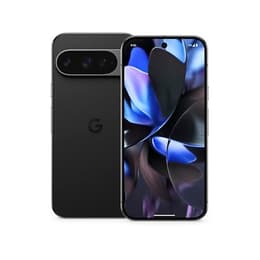
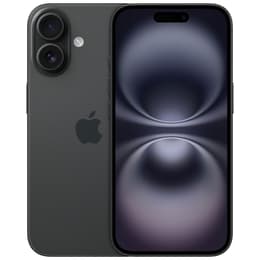
The Google Pixel 9 Pro and the iPhone 16 represent the latest iterations from their respective manufacturers, both released in late 2024. While the Pixel 9 Pro operates on the Android ecosystem, emphasizing advanced computational photography and on-device artificial intelligence, the iPhone 16 runs on Apple's iOS, focusing on a cohesive user experience and integrated AI capabilities. These devices cater to different user preferences, offering distinct approaches to mobile technology.
Colour
Storage
When considering the long-term usability of these devices, several factors contribute to their expected lifespan, including software support and physical resilience.
Year of Release
The performance of a smartphone is crucial for daily tasks, from navigating applications to engaging in demanding activities like gaming or video editing. Both the Google Pixel 9 Pro and the iPhone 16 offer robust performance tailored to their respective operating systems.
The display is a primary interface for smartphone interaction, and both devices offer high-quality viewing experiences with distinct characteristics.
Both the Google Pixel 9 Pro and the iPhone 16 are equipped with advanced camera systems, each excelling in different aspects of photography and videography.
Beyond core features, several practical elements differentiate the user experience of these two smartphones.
Screen size (in)
Network
SIM card
Carrier compatibility
Connector
The Google Pixel 9 Pro and the iPhone 16 each present compelling options for smartphone users, catering to distinct priorities. The Pixel 9 Pro is often praised by users for its exceptional camera capabilities, particularly its advanced AI-driven photography features and long-term software support. Its emphasis on on-device AI, powered by the Tensor G4 chip, provides a highly intelligent and personalized Android experience. Some users might find its charging speeds to be slower compared to some competitors, and while its processor is optimized for AI, raw performance benchmarks might not always match the highest-end rivals.
Conversely, the iPhone 16 is frequently lauded for its seamless integration within the Apple ecosystem, robust performance, and the introduction of Apple Intelligence, which brings a suite of AI features to iOS. Users appreciate its consistent software updates, durable design, and the addition of new physical buttons like the Action Button and Capture Button for enhanced usability. Some common feedback might point to the standard refresh rate on the base model not being as high as some Android flagships, and while its battery life is improved, it might not always surpass the larger capacities found in some Android devices.
Users prioritizing a highly intelligent camera system, extensive software longevity, and a deep integration of AI into the Android experience may find the Google Pixel 9 Pro well-suited to their needs. On the other hand, individuals who value a cohesive ecosystem, strong overall performance, and innovative user interface elements within iOS, along with the new Apple Intelligence features, may lean toward the iPhone 16. Both devices offer quality-assured refurbished options, providing an eco-friendly alternative for consumers looking to make an informed and sustainable choice.