
iPhone

Compare models
Differences at a glance
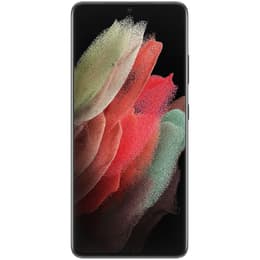
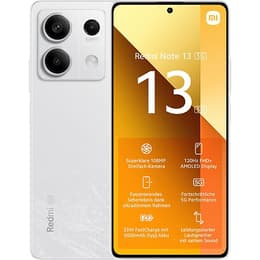
The Samsung Galaxy S21 Ultra 5G, released in January 2021, and the Xiaomi Redmi Note 13, launched globally in January 2024, represent different segments and generations within the smartphone market. While the Galaxy S21 Ultra 5G was a premium flagship device at its launch, the Redmi Note 13 is positioned as a contemporary mid-range option. Key differences lie in their display technology, camera versatility, and overall performance capabilities, reflecting their respective release timelines and intended user experiences. Both devices operate on the Android platform, though with different custom user interfaces.
Colour
Storage
The practical lifespan of a smartphone is significantly influenced by its release date and the manufacturer's software support policy. These two devices, despite their shared operating system, offer different expectations in terms of longevity.
Year of Release
Compatible with latest Update
OS
Foldable
Performance in smartphones is about how smoothly tasks are handled, from everyday browsing to demanding applications and multitasking. The core components of these devices contribute to their overall responsiveness.
The display is a primary interface for any smartphone, and the quality of the screen significantly impacts the user experience, from viewing content to daily interactions.
Resolution
Screen type
The camera system is a crucial aspect for many users, influencing how they capture and share moments. Both devices offer multi-camera setups with different strengths.
Main camera
Front camera
Beyond the core performance and display, several practical features contribute to the overall user experience and convenience of a smartphone.
Weight
Screen size (in)
Network
SIM card
Carrier compatibility
Connector
The Samsung Galaxy S21 Ultra 5G and the Xiaomi Redmi Note 13 cater to different user expectations and priorities, largely due to their generational gap and original market positioning. The Galaxy S21 Ultra 5G, as a former flagship, is often praised by users for its exceptional display quality, versatile and powerful camera system with advanced zoom capabilities, and robust build with a high water resistance rating. Common criticisms, particularly as it ages, might revolve around its battery life under heavy use with all features enabled, and the fact that it no longer receives the latest Android OS updates.
The Xiaomi Redmi Note 13, a more recent mid-range device, receives positive feedback for its vibrant AMOLED display with high brightness, reliable performance for everyday tasks, and a strong battery life with fast charging. Users appreciate its modern design and the inclusion of features like a 3.5mm headphone jack and an IR blaster. Some users might find its auxiliary cameras (ultrawide and macro) to be less capable than the main sensor, and its video recording capabilities are more limited compared to higher-end devices.
Users prioritizing a top-tier camera experience with extensive zoom, a higher-resolution display, and a premium, highly durable build may lean towards the Samsung Galaxy S21 Ultra 5G. Its S Pen support also makes it suitable for those who value stylus input. Conversely, users seeking a more modern device with a longer software update runway from its release, excellent screen brightness, good battery life, and practical features like a headphone jack, might find the Xiaomi Redmi Note 13 better suited to their needs. Both devices offer compelling features, and choosing between them often comes down to whether one values cutting-edge features from a few years ago or a more current, well-rounded mid-range experience. For those looking for an eco-friendly and quality-assured option, both models are available as refurbished devices, offering a sustainable choice.