

Google Pixel 8 Vs iPhone 16e

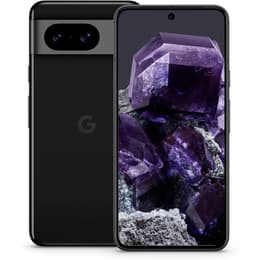
Google Pixel 8
Google Pixel 8
Starting at

Refurbished price:235.00

Versus €999.00 new

See options
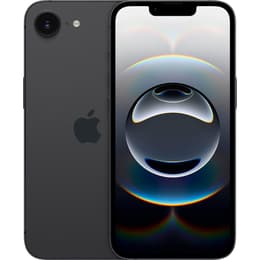
iPhone 16e
iPhone 16e
Starting at

Refurbished price:387.00

Versus €719.00 new

See options

Ratings

The Google Pixel 8, released in October 2023, and the hypothetical iPhone 16E, an anticipated "essential" model from Apple, represent distinct approaches to smartphone design and functionality. While the Pixel 8 operates on Android with a strong focus on AI-driven features and computational photography, the iPhone 16E would run on Apple's iOS, emphasizing a streamlined user experience and robust ecosystem. These devices cater to users seeking capable smartphones, but they diverge in their core philosophies and feature sets.

Scores

Durability

When considering the longevity of these devices, several factors come into play, including their release timelines, software support, and repairability.

  • Release Timeline: The Google Pixel 8 launched in October 2023, making it a more established device. The iPhone 16E, as a hypothetical model, would likely have been released in early 2025, positioning it as a newer option in the market.
  • Software Longevity: Google has committed to providing an impressive seven years of OS and security updates for the Pixel 8, extending its support until 2030. [1, 12, 14, 19, 20, 25] Apple typically offers 5-7 years of major iOS updates for its iPhones, with extended security patches beyond that. [7, 11, 39, 48] This means the Pixel 8 offers a longer guaranteed software support period from its release date.
  • Repairability: The Google Pixel 8 has received repairability scores ranging from 5.5 to 7 out of 10, indicating moderate ease of repair, with screen replacement generally straightforward but battery removal sometimes challenging. [3, 5, 10, 23] The iPhone 16 series, which the 16E would be part of, has shown improved repairability with a score of 7 out of 10, suggesting easier access for common repairs. [15, 24]

Year of Release

2023

2025

OS

Android

iOS

Foldable

No

No

Performance

The performance of a smartphone is crucial for daily operations, from launching applications to handling demanding tasks.

  • Processor Capabilities: The Google Pixel 8 is powered by its custom-designed processor, which delivers solid performance for everyday tasks and gaming, with a particular emphasis on enhancing AI-driven features. [20, 42] The hypothetical iPhone 16E would feature a newer-generation Apple chip, known for its efficient and powerful processing, ensuring smooth operation across a wide range of applications and multitasking scenarios. [4, 9, 16, 18, 47]
  • System Responsiveness: Both devices are engineered to offer a highly responsive user experience. The Pixel 8's integration of hardware and software allows for quick app loading and fluid navigation within the Android operating system. The iPhone 16E, with its optimized iOS and powerful chip, would provide a similarly seamless and immediate response to user input.
  • Storage and Multitasking: The Pixel 8 comes with 8GB of RAM and storage options of 128GB or 256GB, which is sufficient for most users and multitasking needs. [1, 6, 26] The hypothetical iPhone 16E is also anticipated to feature 8GB of RAM and similar storage configurations, supporting efficient multitasking and the demands of modern applications. [4, 9, 18, 37]

Memory (GB)

8 GB

8 GB

Screen quality

The display is a primary interface for smartphone interaction, and both models offer distinct viewing experiences.

  • Display Technology and Clarity: The Google Pixel 8 features a 6.2-inch OLED display with a Full HD+ resolution (1080x2400 pixels), providing sharp and clear visuals with vibrant colors and deep blacks. [1, 2, 6, 26, 29, 31, 34] The hypothetical iPhone 16E is expected to incorporate a 6.1-inch OLED display, also offering excellent clarity and color reproduction typical of Apple's displays. [4, 9, 13, 16, 18]
  • Brightness and Refresh Rate: The Pixel 8's display can reach up to 1400 nits for HDR content and a peak brightness of 2000 nits, ensuring good visibility even in bright outdoor conditions. It also features a variable refresh rate that can go from 60Hz to 120Hz for smoother scrolling and animations. [1, 2, 20, 29, 34] The hypothetical iPhone 16E is rumored to have a 60Hz refresh rate, which provides a standard smooth experience, but may not match the fluidity of a 120Hz display for certain content. [18]
  • Viewing Experience: Both devices offer immersive viewing experiences for media consumption and daily use. The Pixel 8's slightly larger screen and higher refresh rate could offer a more fluid visual experience, while the iPhone 16E's display would provide consistent color accuracy and brightness.

Resolution

1080 x 2400

2532x1170

Audiovisual

Both the Google Pixel 8 and the hypothetical iPhone 16E are designed to deliver strong photographic capabilities, though with different hardware configurations.

  • Camera System Configuration: The Google Pixel 8 features a dual-camera system on the rear, comprising a 50MP main sensor with optical image stabilization and a 12MP ultrawide lens with autofocus. [2, 6, 20, 26] The hypothetical iPhone 16E is anticipated to have a single 48MP main rear camera, focusing on high-resolution capture, alongside a 12MP front-facing camera. [4, 9, 16, 18]
  • Photography Performance: The Pixel 8 is renowned for its computational photography, producing images with natural colors, good exposure, and impressive detail, particularly in low-light conditions. Its AI features, such as Best Take, enhance photo editing capabilities. [27, 40, 43, 44] The iPhone 16E, drawing from Apple's camera expertise, would also deliver high-quality images with accurate color representation and reliable performance in various lighting scenarios, leveraging its powerful processing for image optimization.
  • Video Recording and Audio: Both devices are capable of recording high-quality video. The Pixel 8 supports 4K video recording at up to 60 frames per second. [6] The iPhone 16E would also offer advanced video recording features, likely including cinematic modes and robust stabilization, consistent with Apple's focus on video capabilities. Both would provide clear audio capture for calls and media.

Front camera

10.5 megapixels

TrueDepth 12MP

Miscellaneous

Beyond core features, several practical elements contribute to the overall user experience of these smartphones.

  • Connectivity and Ports: Both devices support 5G connectivity for fast mobile data. The Pixel 8 includes Wi-Fi 7 (in some markets) and Bluetooth 5.3, along with a USB Type-C 3.2 port. [1, 6] The hypothetical iPhone 16E would also feature Wi-Fi 7 and Bluetooth 5.3, and is expected to adopt a USB-C port for charging and data transfer. [4, 16, 37]
  • Biometric Security: The Pixel 8 offers both an under-display optical fingerprint sensor and secure face unlock for convenient access. [6, 43] The hypothetical iPhone 16E would likely rely on Face ID for biometric authentication, providing secure facial recognition. [4, 13, 16, 18]
  • Design and Durability: The Pixel 8 features a glass front and back with Gorilla Glass Victus protection and an aluminum frame, offering IP68 dust and water resistance. [6, 20] The hypothetical iPhone 16E would also likely feature a glass and aluminum construction, with an anticipated IP67 water and dust resistance rating. [13] The Pixel 8 weighs 187g and measures 150.5 x 70.8 x 8.9 mm. [6]

Weight

187 g

167 g

Screen size (in)

6,2

6.1

Network

5G

5G

SIM card

Physical SIM + eSIM

eSIM

Carrier compatibility

Unlocked

Unlocked

Connector

USB-C

USB-C

The Google Pixel 8 and the hypothetical iPhone 16E present compelling options for smartphone users, each with distinct strengths. User feedback for the Pixel 8 often praises its exceptional camera system, particularly its AI-enhanced photography features and consistent image quality. [27, 40, 42, 43, 44] Users also appreciate its clean Android experience and Google's commitment to seven years of software updates. [1, 12, 14, 19, 20, 25, 42] Criticisms sometimes point to its battery life being good but not outstanding, especially with heavy 5G usage. [17, 38, 42, 45, 46]

For the hypothetical iPhone 16E, based on trends and rumors for the iPhone 16 and iPhone SE 4, users would likely value its powerful and efficient processor, the seamless integration within the Apple ecosystem, and its expected long-term software support. The anticipated design, potentially featuring an OLED display and Face ID, would also be a significant draw. Potential considerations might include a standard 60Hz refresh rate display, which some users might find less fluid compared to higher refresh rate screens on other devices.

Users prioritizing a longer guaranteed software update period and a strong emphasis on AI-driven camera features within the Android ecosystem may find the Google Pixel 8 well-suited to their needs. Conversely, users who value the Apple ecosystem, a potentially newer processor, and a consistent, streamlined user experience with robust security features may lean toward the hypothetical iPhone 16E. Both devices offer quality-assured refurbished options, providing an eco-friendly alternative for consumers looking to make informed and sustainable choices.


See all articles

Our recent comparisons