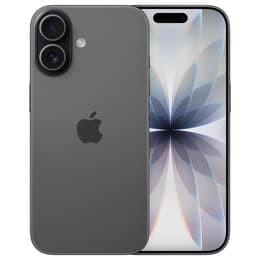
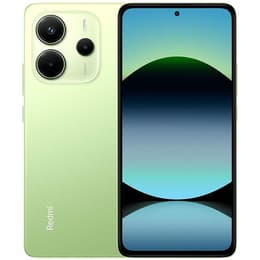


iPhone 17 Vs Xiaomi Redmi Note 14 4G

iPhone 17
iPhone 17
Starting at

Refurbished price:704.00

Versus €979.00 new

See options
Xiaomi Redmi Note 14 4G
Starting at

Refurbished price:155.00

Versus €259.00 new

See options

Ratings

The iPhone 17, released in September 2025, and the Xiaomi Redmi Note 14 4G, launched in January 2025, represent distinct approaches to smartphone design and functionality. While the iPhone 17 operates on Apple's iOS ecosystem, the Redmi Note 14 4G runs on Android with Xiaomi's HyperOS. These devices cater to different user priorities, with the iPhone 17 focusing on advanced processing and integrated software experiences, and the Redmi Note 14 4G emphasizing a large display and substantial battery capacity.

Scores

Durability

When considering the long-term usability of these devices, their release timelines and software support are key factors.

  • Release Timeline: The iPhone 17 was released in September 2025, while the Xiaomi Redmi Note 14 4G launched earlier in January 2025. This difference in release means the iPhone 17 will likely receive software updates for a longer period, extending its functional lifespan.
  • Software Longevity: Apple typically provides extensive iOS support, often for five to seven years, suggesting the iPhone 17 will continue to receive major operating system updates well into the future. The Redmi Note 14 4G, running Android 14 with Xiaomi HyperOS, will also receive updates, though the duration of major Android version support can vary by manufacturer and model.
  • Durability Features: The iPhone 17 is expected to feature a more scratch-resistant display and maintain Apple's robust build quality, including water and dust resistance. The Redmi Note 14 4G includes Gorilla Glass 5 for screen protection and carries an IP54 rating for dust and splash resistance, offering a degree of protection against everyday elements.

Year of Release

2025

2025

OS

iOS

Android

Foldable

No

No

Performance

The performance of a smartphone is largely determined by its internal components and how efficiently they handle tasks.

  • Processing Power: The iPhone 17 is equipped with Apple's A19 SoC, which is designed to deliver smooth performance for demanding applications, complex multitasking, and advanced gaming experiences. The Redmi Note 14 4G utilizes the Mediatek Helio G99 Ultra chipset, which provides capable performance for daily tasks, social media, and moderate gaming.
  • System Responsiveness: Users of the iPhone 17 can expect a highly responsive interface and quick app loading times, supported by its advanced processor and optimized iOS environment. The Redmi Note 14 4G offers a generally fluid user experience for its class, handling typical smartphone operations without significant delays.
  • Multitasking Capabilities: The iPhone 17 is rumored to include increased RAM, contributing to efficient multitasking and the ability to keep multiple applications active in the background without performance degradation. The Redmi Note 14 4G comes with 6GB or 8GB of RAM, which is sufficient for managing several applications simultaneously and switching between them effectively.

Memory (GB)

8 GB

6 GB

Screen quality

The display is a primary interface for smartphone interaction, and both devices offer distinct visual experiences.

  • Display Technology and Size: The iPhone 17 features a 6.3-inch OLED display, known for its deep blacks and vibrant color reproduction. The Redmi Note 14 4G boasts a larger 6.67-inch AMOLED display, also providing rich colors and strong contrast.
  • Resolution and Clarity: Both phones offer high-resolution displays. The iPhone 17's OLED panel is expected to deliver sharp text and detailed images. The Redmi Note 14 4G has a 1080 x 2400 pixel resolution, resulting in clear visuals with approximately 395 pixels per inch.
  • Brightness and Refresh Rate: The iPhone 17 is expected to include a 120Hz ProMotion refresh rate, offering smoother scrolling and more fluid animations, along with an always-on display feature. The Redmi Note 14 4G also features a 120Hz refresh rate and a peak brightness of 1800 nits, which aids in outdoor visibility.

Resolution

2622x1206

1080x2400

Screen type

Super Retina XDR

AMOLED

Audiovisual

Camera capabilities are a significant consideration for many users, and these devices approach photography differently.

  • Rear Camera System: The iPhone 17 is expected to feature a 48 MP Dual Fusion camera system, including a main and an ultra-wide lens, designed for enhanced detail and improved low-light performance through advanced image processing. The Redmi Note 14 4G is equipped with a 108 MP main camera, complemented by 2 MP macro and depth sensors, offering high-resolution stills from its primary lens.
  • Front Camera: The iPhone 17 is rumored to include a 24 MP front-facing camera, providing sharper selfies and clearer video calls. The Redmi Note 14 4G features a 20 MP front camera, suitable for self-portraits and video conferencing.
  • Video Recording: Both devices are capable of recording high-quality video. The iPhone 17's advanced processing is likely to offer sophisticated video stabilization and cinematic features. The Redmi Note 14 4G provides solid video recording for everyday use.

Miscellaneous

Beyond core features, several practical elements contribute to the overall user experience.

  • Connectivity and Ports: The iPhone 17 is expected to support the latest Wi-Fi 7 standard and 5G connectivity, along with a USB-C port. The Redmi Note 14 4G supports 4G, Wi-Fi 5, Bluetooth 5.3, and includes a USB Type-C port, a 3.5mm headphone jack, NFC for mobile payments, and an IR blaster for controlling home electronics.
  • Biometrics and Sensors: The iPhone 17 will continue to offer Face ID for secure authentication. The Redmi Note 14 4G features an in-display fingerprint reader for convenient unlocking.
  • Physical Characteristics: The iPhone 17 is expected to have an aluminum frame and a refined design. The Redmi Note 14 4G measures 163.25 x 76.55 x 8.16 mm and weighs 196.5 g, offering a substantial feel in hand.

Weight

177 g

196 g

Screen size (in)

6.3

6.67

Network

5G

4G

SIM card

eSIM

Physical SIM + eSIM

Carrier compatibility

Unlocked

Unlocked

User feedback for the iPhone 17, based on early impressions and typical Apple device reception, often praises its seamless integration with the iOS ecosystem, robust performance, and consistent camera quality. Potential criticisms might revolve around its iterative design changes or the closed nature of its software. For the Xiaomi Redmi Note 14 4G, users frequently commend its large, vibrant display, long-lasting battery, and the inclusion of features like a headphone jack and IR blaster. Some common concerns might include the presence of pre-installed applications or the long-term software update commitment compared to some competitors.

Users prioritizing a highly integrated software experience, top-tier processing power for demanding tasks, and extended software support may find the iPhone 17 well-suited to their needs. Its advanced camera system and expected durability enhancements also cater to those seeking a premium and long-lasting device. Conversely, users who value a larger display, a substantial battery for extended use, and the flexibility of the Android ecosystem with additional connectivity options like a headphone jack and IR blaster, may lean toward the Xiaomi Redmi Note 14 4G. This device is also a quality-assured refurbished option for those seeking a sustainable choice.

See all articles

Our recent comparisons






