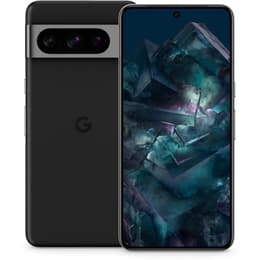
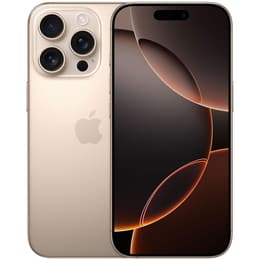


Google Pixel 8 Pro Vs iPhone 16 Pro

Google Pixel 8 Pro
Google Pixel 8 Pro
Starting at

Refurbished price:329.99

Versus €1,099.00 new

See options
iPhone 16 Pro
iPhone 16 Pro
Starting at

Refurbished price:669.00

Versus €1,239.00 new

See options

Ratings

The Google Pixel 8 Pro, released in October 2023, and the iPhone 16 Pro, launched in September 2024, represent distinct approaches to high-end smartphone design and functionality. While both devices offer advanced camera systems and vibrant displays, they cater to different user priorities through their respective operating systems and core philosophies. The Pixel 8 Pro emphasizes artificial intelligence integration and a user-friendly Android experience, whereas the iPhone 16 Pro focuses on raw performance, a refined iOS ecosystem, and enhanced video capabilities.

Scores

Durability

When considering the long-term usability of a device, software support and physical durability are key factors. Both the Google Pixel 8 Pro and the iPhone 16 Pro offer substantial longevity, though their approaches differ.

  • Software Updates: The Google Pixel 8 Pro stands out with a commitment to seven years of OS upgrades, security updates, and Feature Drops, extending its software support until 2030. This provides an extended period of access to new features and security enhancements. The iPhone 16 Pro, following Apple's typical policy, is expected to receive major iOS updates for approximately five to seven years, with security patches often continuing for longer. [7, 12, 13, 18, 21, 23, 24, 35]
  • Physical Durability: The Pixel 8 Pro features Corning Gorilla Glass Victus 2 for screen protection and a durable build that has shown resilience in bend tests. The iPhone 16 Pro incorporates Apple's Ceramic Shield front cover and a titanium frame, contributing to its robust construction. [1, 2, 17, 42, 44]
  • Repairability: The iPhone 16 Pro marks a significant improvement in repairability, achieving a score of 7 out of 10 from iFixit, thanks to a dual-entry design and an encased battery. The Pixel 8 Pro's repairability has been noted as more challenging, with some assessments placing it around 4 out of 10, primarily due to the use of strong adhesives and the need for extensive disassembly to access certain components. [4, 5, 9, 11, 22, 26, 32, 40]

Year of Release

2023

2024

Compatible with latest Update

Yes

Yes

Foldable

No

No

Performance

Both devices deliver robust performance suitable for demanding applications and multitasking, though they achieve this through different hardware and software optimizations.

  • Processing Power: The iPhone 16 Pro is equipped with a current-generation A-series chip, designed to offer substantial processing power for smooth app launches, fluid multitasking, and high-fidelity gaming. The Pixel 8 Pro utilizes a Tensor G3 chip, which is optimized for on-device artificial intelligence tasks, enhancing features like computational photography and voice processing. [1, 2, 6, 10, 15]
  • Multitasking and Responsiveness: Users generally report that the iPhone 16 Pro provides a consistently fluid and responsive experience across the iOS ecosystem, handling multiple applications and intensive tasks without noticeable slowdowns. The Pixel 8 Pro also offers a snappy user interface and efficient handling of everyday tasks, with its AI capabilities contributing to a responsive and personalized experience. [29, 37]
  • Storage Options: The Pixel 8 Pro is available with various storage configurations, starting from 128GB and going up to 256GB or more, often paired with 12GB of RAM. The iPhone 16 Pro offers storage options ranging from 128GB up to 1TB, typically with 8GB of memory, providing ample space for applications, media, and files. [2, 6, 8, 10, 15, 17, 19, 38]

Memory (GB)

12 GB

8 GB

Screen quality

The visual experience on both smartphones is characterized by high-quality displays that offer clarity, vibrant colors, and smooth interactions.

  • Display Technology and Clarity: The Google Pixel 8 Pro features a 6.7-inch LTPO AMOLED display, offering sharp resolution and excellent color reproduction with deep blacks. The iPhone 16 Pro comes with a 6.3-inch Super Retina XDR OLED display, known for its precise color accuracy and high contrast. [2, 3, 6, 10, 17, 19, 25, 36]
  • Brightness and Refresh Rate: The Pixel 8 Pro's display can reach a peak brightness of 2400 nits, ensuring good visibility even in bright outdoor conditions, and features an adaptive refresh rate from 1Hz to 120Hz for smooth scrolling and power efficiency. The iPhone 16 Pro's ProMotion display also offers an adaptive refresh rate up to 120Hz and can achieve a peak brightness of 2000 nits outdoors, providing a similarly bright and fluid viewing experience. [1, 2, 3, 17, 19, 25, 39]
  • Viewing Experience: Both devices provide an immersive viewing experience, suitable for media consumption, gaming, and productivity. The Pixel 8 Pro's slightly larger screen offers a more expansive canvas, while the iPhone 16 Pro's display is praised for its overall quality and responsiveness. [25, 36, 37]

Resolution

1344 x 2992

1206 x 2622

Screen type

LTPO OLED

LTPO Super Retina XDR OLED

Audiovisual

Both the Google Pixel 8 Pro and the iPhone 16 Pro are recognized for their advanced camera systems, each with distinct strengths in photography and videography.

  • Camera System Configuration: The Pixel 8 Pro features a versatile triple-camera setup, including a 50MP main sensor, a 48MP ultrawide lens, and a 48MP telephoto lens with 5x optical zoom. The iPhone 16 Pro also has a triple-lens system, comprising a 48MP main sensor, a 48MP ultrawide, and a 12MP telephoto lens with 5x optical zoom. [1, 2, 6, 10, 17, 19, 25, 31]
  • Photography Performance: The Pixel 8 Pro excels in computational photography, leveraging its AI capabilities for features like Magic Editor and enhanced low-light performance, often producing detailed and clear images with strong dynamic range. The iPhone 16 Pro offers improved photographic styles and a more natural color rendering, with its ultrawide camera receiving a significant upgrade for sharper images. [1, 27, 29, 30, 31, 37, 38, 39, 43]
  • Video Recording Quality: The iPhone 16 Pro is noted for its strong video capabilities, including 4K 120fps slow-motion recording and effective optical image stabilization, making it a powerful tool for video creators. The Pixel 8 Pro also offers 4K video recording and features like Video Boost for enhanced video quality, particularly in low-light conditions. [2, 6, 17, 27, 28, 31, 38, 39]

Main camera

50 megapixels

48 megapixels

Front camera

10.5 megapixels

12 megapixels

Miscellaneous

Beyond core performance and display, several practical features contribute to the overall user experience of these devices.

  • Connectivity: Both smartphones support modern connectivity standards. The Pixel 8 Pro includes 5G, Wi-Fi 7, and Bluetooth 5.3. The iPhone 16 Pro also supports 5G, Wi-Fi 7, and Bluetooth 5.3, ensuring fast and reliable wireless connections. [2, 3, 10, 19, 20]
  • Ports and Biometrics: Both devices feature a USB-C port for charging and data transfer. For security, the Pixel 8 Pro offers an in-display fingerprint sensor in addition to face unlock. The iPhone 16 Pro relies on Face ID for secure authentication. [2, 19]
  • Design and Handling: The Pixel 8 Pro has a satin-finish glass back and a distinct camera bar, weighing around 213 grams. The iPhone 16 Pro features a titanium design with a textured matte glass back and a Ceramic Shield front, weighing approximately 199 grams. The iPhone 16 Pro's slightly smaller dimensions may appeal to users preferring a more compact device. [2, 3, 10, 20, 25, 39]

Weight

213 g

199 g

Screen size (in)

6.7

6.3

Network

5G

5G

SIM card

Physical SIM + eSIM

eSIM

Carrier compatibility

Unlocked

Unlocked

The Google Pixel 8 Pro and the iPhone 16 Pro each offer a compelling smartphone experience, tailored to different user preferences. Users often praise the Pixel 8 Pro for its deep integration of artificial intelligence, particularly in its camera features and overall smart assistance. Its extended software support commitment is also a significant draw for those prioritizing long-term updates. Some users, however, have noted occasional inconsistencies in performance or battery life compared to its predecessor, and its repairability can be more challenging. [25, 29, 30, 33, 34, 37]

The iPhone 16 Pro is frequently lauded for its consistent and fluid performance, robust build quality, and enhanced camera system, especially for video recording. Its improved repairability is also a positive point for users concerned with device longevity. Some users might find the iOS ecosystem more restrictive compared to Android's customization options. [27, 28, 29, 31, 36, 38]

Users prioritizing advanced AI features, computational photography, and a longer software support window may find the Google Pixel 8 Pro well-suited to their needs. Conversely, individuals who value consistent raw performance, a polished user experience, strong video capabilities, and a more repairable design might lean towards the iPhone 16 Pro. Both devices represent excellent choices in the premium smartphone segment, and considering a quality-assured refurbished option for either model can be an eco-friendly alternative.


See all articles

Our recent comparisons