

Compare models
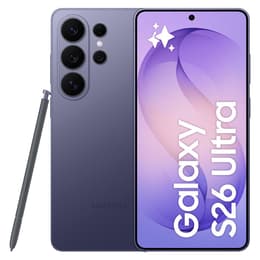
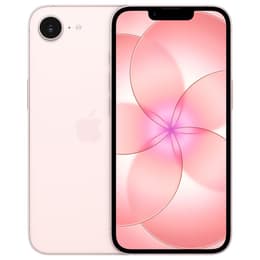
Galaxy S26 Ultra Vs iPhone 17e
- 1-year minimum warranty
- Free delivery on all orders
- Free 30-day returns
Differences at a glance
The Samsung Galaxy S26 Ultra (2026) and the iPhone 17e (2026) represent two distinct approaches to contemporary smartphone design, catering to very different user preferences within the mobile market. While the Galaxy S26 Ultra functions as a feature-packed flagship device running on Android, the iPhone 17e is structured as a streamlined, accessible option operating on iOS. These two models differ significantly in size, hardware complexity, and everyday functionality, making them suitable for contrasting user profiles.
Available Models
Colour
Storage
Scores
Durability
Both the Galaxy S26 Ultra and the iPhone 17e debuted in early 2026, positioning them as modern hardware options with extended utility. Each manufacturer provides long-term software support, ensuring multiple years of security updates and feature upgrades.
- Software longevity: Both devices receive multi-year software and security updates, keeping the operating systems current for standard daily use over an extended period. Repairability: Both models utilize durable glass and metal configurations that align with modern industry standards for structural integrity, supporting straightforward servicing through authorized channels. Expected lifespan: Built with current-generation components, both phones maintain adequate processing headroom to function reliably through years of routine daily tasks.
Year of Release
2026
2026
OS
Android
iOS
Foldable
No
No
Performance
Performance capabilities vary noticeably between the two models due to differences in internal architecture, memory allocation, and software optimization.
- App responsiveness: Both devices handle standard web browsing, messaging, and media streaming smoothly, though heavier applications and intensive multitasking operate with differing levels of thermal efficiency. Multitasking capacity: Generous memory configurations allow both phones to switch between multiple active background applications without frequent reloading or lag. Battery behavior: The Galaxy S26 Ultra includes a larger battery capacity designed to sustain demanding workflows, whereas the iPhone 17e manages power efficiently to support standard daily usage patterns on a single charge.
Screen quality
Display characteristics define a major portion of the physical interaction with each device, featuring distinct panel dimensions and technologies.
- Display technology: Both models utilize advanced OLED panels that produce deep contrast levels, vibrant colors, and sharp text rendering for reading and media viewing. Brightness and outdoor visibility: High peak brightness levels on both screens ensure that content remains legible under direct sunlight or bright outdoor lighting conditions. Viewing area: The Galaxy S26 Ultra provides a larger canvas suited for productivity and media immersion, while the iPhone 17e offers a more compact footprint that improves single-handed handling.
Resolution
1440 x 3120
2532 x 1170
Audiovisual
The photographic hardware configurations reflect each device's intended focus, balancing versatility against simplicity.
- Camera systems: The Galaxy S26 Ultra features a versatile multi-lens array incorporating specialized zoom capabilities, whereas the iPhone 17e relies on a streamlined single-lens setup for straightforward everyday snapshots. Low-light performance: Advanced image processing on both devices helps capture clear photos and stable video in dim environments with minimal visible noise. Media consumption: Integrated stereo speakers on both handsets deliver balanced audio output for phone calls, casual video viewing, and audio playback.
Front camera
12.0
12 megapixels
Miscellaneous
Physical construction and connectivity options shape how each device integrates into daily routines and travel environments.
- Connectivity: Both models support modern wireless standards, including 5G connectivity and fast Wi-Fi protocols for dependable data transfer. Physical ports: Universal USB-C ports handle wired charging and data synchronization on both devices. Handling and build: The Galaxy S26 Ultra has a larger, heavier build profile with integrated stylus support, while the iPhone 17e features a lighter, more pocket-friendly frame. Buyers seeking an eco-friendly alternative can look toward a quality-assured refurbished option to minimize environmental impact.
Weight
214 g
169 g
Screen size (in)
6.9
6.1
Network
5G
5G
SIM card
Physical SIM + eSIM
eSIM
Carrier compatibility
Unlocked
Unlocked
Connector
USB-C
USB-C (USB 2)
What the community thinks
User feedback highlights distinct preferences for each device across community forums and reviews. Praise for the Galaxy S26 Ultra frequently centers on its expansive display, versatile multi-lens camera system, and extensive productivity tools. Conversely, users often commend the iPhone 17e for its approachable size, straightforward operating system, and dependable everyday battery efficiency. Common criticisms for the larger flagship involve its heavier physical weight and bulky footprint, while some users note that the streamlined iPhone model lacks specialized optical zoom options.
Users prioritizing a large workspace, extensive camera versatility, and advanced multitasking tools may prefer the Galaxy S26 Ultra. Meanwhile, users prioritizing a compact form factor, straightforward navigation, and seamless iOS integration will likely lean toward the iPhone 17e. Choosing between these devices depends on individual workflow habits and preferred screen dimensions. Exploring a quality-assured refurbished option can also provide a sustainable choice for conscious consumers.