

Samsung

Compare models
Differences at a glance
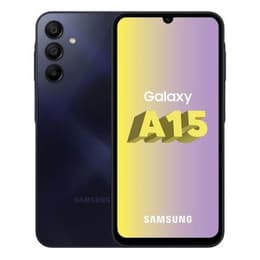
The Samsung Galaxy A15 and the Xiaomi Redmi Note 13 4G are popular entry-level smartphones released around the turn of 2024. Both devices target everyday mobile users looking for dependable performance and essential features without unnecessary complexity. While they share similar battery capacities and targeted use cases, they differ primarily in display refresh rates, software interfaces, and camera configurations. These differences shape how each device handles daily tasks and media consumption.
Colour
Storage
When evaluating structural longevity and software support, both smartphones offer robust update schedules typical of modern entry-level devices released in early 2024.
Year of Release
Compatible with latest Update
OS
Foldable
Both devices handle routine daily tasks like web browsing, social media scrolling, and messaging smoothly, though their internal hardware handles multitasking and demanding apps differently.
Display technology is a prominent feature for both handsets, delivering vibrant visuals and sharp text readability for media streaming and daily navigation.
Resolution
Screen type
Photography capabilities on both phones center on versatile triple-lens rear arrays designed to capture clear everyday memories and landscape shots.
Main camera
Front camera
Practical physical design elements and connectivity options ensure both smartphones integrate seamlessly into daily routines and travel requirements.
Weight
Screen size (in)
Network
SIM card
Carrier compatibility
User discussions across online communities highlight distinct preferences for each device based on individual habits. Owners of the Samsung Galaxy A15 frequently praise its long-term software support commitment and reliable daily battery endurance. Meanwhile, users of the Xiaomi Redmi Note 13 4G often commend its fluid display refresh rate and bright viewing panel. Common criticisms for both models point to modest low-light photography results and occasional stutter during intensive gaming sessions.
Users prioritizing extended software update longevity may prefer the Samsung Galaxy A15, while users focusing on a smoother visual refresh rate for scrolling might lean toward the Xiaomi Redmi Note 13 4G. Exploring quality-assured refurbished options on platforms like Back Market provides a sustainable choice for acquiring either device with verified reliability. Ultimately, matching your core daily priorities to each model's strengths will guide you to the most suitable choice.