

Compare models
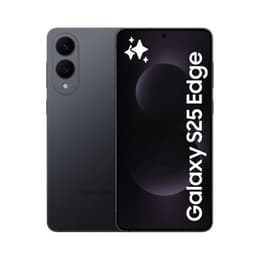
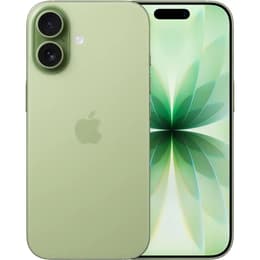
Galaxy S25 Edge Vs iPhone 17
- 1-year minimum warranty
- Free delivery on all orders
- Free 30-day returns
Differences at a glance
The Samsung Galaxy S25 Edge (2025) and the Apple iPhone 17 (2025) represent two distinct approaches to contemporary flagship smartphone design, offering refined capabilities within the Android and iOS ecosystems. While both devices emphasize high-end build quality and streamlined profiles, they differ significantly in display dimensions, camera configurations, and software environments. Understanding these functional variations helps users select the device that best fits their daily routine.
Available Models
Colour
Storage (GB)
Scores
Durability
Both manufacturers support their hardware with long-term software updates and robust physical protection, though their timelines and repair frameworks differ slightly.
- Software Support Window: Both models receive multi-year operating system updates and security patches, helping maintain software relevance for an extended duration.
- Build Durability: The Galaxy S25 Edge features advanced glass-ceramic protection on a titanium frame, while the iPhone 17 utilizes strengthened front glass and an aluminum or composite enclosure with high water resistance ratings.
- Repairability: Both devices follow modern modular internal layouts, though availability of authorized service channels can influence repair turnaround times.
Year of Release
2025
2025
OS
Android
iOS
Foldable
No
No
Performance
Both handsets deliver fluid daily operation, smoothly handling resource-intensive tasks, web browsing, and casual gaming without noticeable stutter.
- Storage Configurations: Both devices begin with ample baseline internal storage and offer higher tiers for media-heavy users, though neither supports expandable storage cards.
- Multitasking and Responsiveness: Generous memory allocation ensures background apps remain active and transition seamlessly, supported by highly optimized system software.
- Battery Behavior: Each device provides enough battery capacity to comfortably reach the end of a standard day of moderate mixed usage, aided by efficient power management.
Screen quality
The devices offer bright, high-resolution panels with adaptive refresh rates that scale smoothly from low Hertz for static reading up to 120Hz for fluid scrolling.
- Display Technology: The Galaxy S25 Edge uses a 6.7-inch Dynamic AMOLED panel, while the iPhone 17 features a 6.3-inch Super Retina XDR OLED screen.
- Outdoor Visibility: High peak brightness capabilities on both screens ensure content remains legible under direct sunlight.
- Viewing Experience: Deep contrast levels and accurate color reproduction make both displays well-suited for video streaming and photo viewing.
Resolution
1440x3120
2622x1206
Audiovisual
Camera performance varies significantly in hardware layout, giving users different options depending on whether they prefer high-resolution sensor cropping or multi-lens versatility.
- Camera Systems: The Galaxy S25 Edge relies on a high-resolution main sensor paired with an ultra-wide lens, while the iPhone 17 utilizes a dual 48-megapixel layout for wide and ultra-wide shots.
- Video Recording: Both phones capture stable, high-resolution video with advanced stabilization features suitable for everyday memories and creative clips.
- Audio and Media Output: Built-in stereo speakers deliver clear sound for hands-free calls and casual media consumption without external accessories.
Miscellaneous
Practical everyday features, connectivity options, and physical ergonomics shape how comfortable each phone feels during extended handheld use.
- Connectivity Standards: Both models incorporate current-generation wireless standards, including fast Wi-Fi and 5G network compatibility.
- Physical Dimensions: The Galaxy S25 Edge focuses on an exceptionally thin profile and light weight, whereas the iPhone 17 adopts a slightly more compact footprint with a traditional slab profile.
- Security and Authentication: Each device relies on biometric recognition systems for secure unlocking and mobile payments.
Weight
163 g
177 g
Screen size (in)
6.7
6.3
Network
5G
5G
SIM card
Dual Physical SIM + eSIM
eSIM
Carrier compatibility
Unlocked
Unlocked
Connector
USB-C
USB-C
What the community thinks
Users evaluating these two smartphones often note that the Galaxy S25 Edge stands out for its exceptionally thin profile and spacious screen real estate, though some commentators wish it included a dedicated optical zoom lens. Conversely, the iPhone 17 receives praise for its balanced size, vibrant display, and streamlined ecosystem integration, while occasional discussions highlight preferences for alternative notification styles. Choosing between them largely depends on software preference and physical handling.
Users prioritizing a larger viewing area and an ultra-slim chassis may prefer the Galaxy S25 Edge, while users seeking a compact form factor within the iOS environment often lean toward the iPhone 17. For buyers exploring sustainable alternatives, choosing a quality-assured refurbished option provides a practical way to acquire either device while supporting eco-friendly technology consumption.