

Compare models

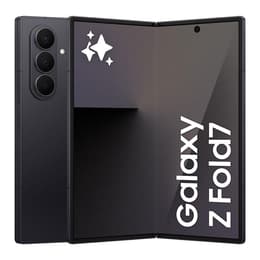
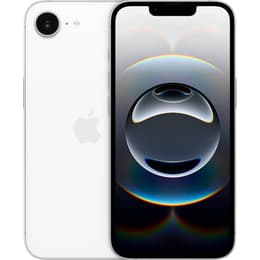
Galaxy Z Fold7 Vs iPhone 16e

  • 1-year minimum warranty
  • Free delivery on all orders
  • Free 30-day returns
Galaxy Z Fold7
Starting at

Refurbished price:€907.00

Versus €2,236.37 new

See options
iPhone 16e
Starting at

Refurbished price:€455.00

Versus €719.00 new

See options

Differences at a glance

The Samsung Galaxy Z Fold7 (2025) and the Apple iPhone 16e (2025) represent two fundamentally distinct mobile concepts, pairing an expansive book-style foldable Android device with a streamlined, traditional slab iOS smartphone. While they target entirely different form factor preferences, both devices deliver modern software capabilities and current-generation processing power. Evaluating these options involves contrasting a tablet-sized folding display experience against a compact, pocket-friendly single-screen layout.

Available Models

Colour

Storage

Scores

Durability

Both smartphones provide robust long-term usability backed by extended manufacturer support timelines, though their physical construction introduces distinct maintenance considerations.

  • Software Lifespan: Both models receive multi-year operating system upgrades and routine security patches, ensuring modern feature compatibility throughout their expected practical service lives.
  • Physical Resilience: The iPhone 16e features a rigid aluminum and glass slab construction with high-level water resistance, whereas the Galaxy Z Fold7 utilizes a complex folding hinge mechanism requiring careful handling against dust and impacts.
  • Repairability: Traditional slab phones like the iPhone generally offer simpler structural maintenance over time compared to multi-screen foldable configurations, which involve delicate inner flexible layers.

Year of Release

2025

2025

OS

Android

iOS

Foldable

Yes

No

Performance

System responsiveness remains swift across both models, handling daily multitasking, navigation, and streaming smoothly through efficient hardware integration.

  • Multitasking and Memory: The Galaxy Z Fold7 incorporates high RAM capacity suited for running multiple side-by-side applications simultaneously, while the iPhone 16e manages background tasks efficiently through streamlined operating system optimization.
  • Battery Behavior: Daily stamina varies based on usage patterns; the iPhone 16e easily handles typical daily routines on a single charge, whereas the Galaxy Z Fold7's expansive inner screen draws more power during extended media consumption or multi-window sessions.
  • Storage Configurations: Both devices offer ample internal capacity options for storing large media libraries, applications, and offline documents without expandable card slots.

Screen quality

Display architecture serves as the most prominent differentiator between the two devices, offering completely contrasting viewing formats.

  • Display Technology: The Galaxy Z Fold7 deploys dynamic foldable OLED panels on both the exterior cover and the massive interior canvas, whereas the iPhone 16e utilizes a standard, single flat OLED screen with traditional notches.
  • Brightness and Clarity: Both screens deliver sharp resolutions, deep contrast levels, and sufficient outdoor brightness for comfortable visibility under direct ambient light.
  • Refresh Rate: The Galaxy Z Fold7 supports a high refresh rate for smooth scrolling and fluid motion across its panels, while the iPhone 16e maintains a standard refresh rate for everyday navigation.

Resolution

1968x2184

2532x1170

Audiovisual

Imaging hardware and audio output cater to different multimedia creation and consumption styles.

  • Camera Systems: The Galaxy Z Fold7 features a versatile multi-lens rear array including ultra-wide and high-resolution main sensors, while the iPhone 16e relies on a streamlined single rear lens configuration capable of high-detail photography.
  • Video and Low-Light: Both models capture stable, clear video footage and sharp low-light images using automated software processing to balance exposure and reduce noise.
  • Media and Audio: Stereo speakers on both devices provide clear sound output for calls and casual video playback, though the Fold7's larger unfolded frame creates a more immersive viewing environment.

Miscellaneous

Physical dimensions and connectivity standards dictate how comfortably each device integrates into daily travel and routine handling.

  • Form Factor and Weight: The iPhone 16e is lightweight and narrow, fitting effortlessly into small pockets and single-handed grips, whereas the Galaxy Z Fold7 is substantially heavier and thicker when folded, transforming into a wider tablet format when opened.
  • Connectivity: Both models support fast 5G cellular networks, modern Wi-Fi protocols, and Bluetooth standards for reliable accessory pairing.
  • Ports and Biometrics: Universal USB-C charging ports are standard on both, while security relies on facial recognition for the iPhone and a side-mounted fingerprint sensor for the foldable Samsung.

Weight

215 g

167 g

Screen size (in)

8.0

6.1

Network

5G

5G

SIM card

Dual Physical SIM + eSIM

eSIM

Carrier compatibility

Unlocked

Unlocked

Connector

USB-C (USB 3)

USB-C

What the community thinks

Choosing between the Samsung Galaxy Z Fold7 and the Apple iPhone 16e depends entirely on individual workflow habits and preferred operating ecosystems. Users prioritizing maximum screen workspace for document editing, split-screen multitasking, and media consumption will find the Galaxy Z Fold7 well-suited to their needs. Conversely, users prioritizing a lightweight, pocket-friendly physical profile, straightforward single-hand operation, and the iOS environment will lean toward the iPhone 16e. Factual differences in display versatility and hardware layout mean neither device universally supersedes the other.

For consumers exploring sustainable tech acquisitions, choosing a quality-assured refurbished option from Back Market provides a reliable, eco-friendly alternative that extends device life cycles without compromising on performance standards.








