

Galaxy S24 Vs iPhone 17

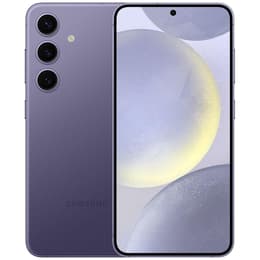
Galaxy S24
Galaxy S24
Starting at

Refurbished price:323.00

Versus €956.40 new

See options
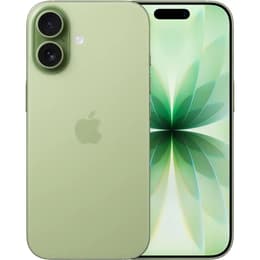
iPhone 17
iPhone 17
Starting at

Refurbished price:685.00

Versus €979.00 new

See options

Ratings

The Samsung Galaxy S24, released in January 2024, and the Apple iPhone 17, anticipated for release in September 2025, represent flagship smartphones from their respective ecosystems. While the Galaxy S24 operates on Android with Samsung's One UI, the iPhone 17 runs on Apple's iOS, offering distinct user experiences. The iPhone 17 is expected to introduce a range of hardware and software enhancements, building upon Apple's established design and performance principles, while the Galaxy S24 continues to refine its offerings with a focus on advanced camera capabilities and display technology.

Scores

Durability

When considering the long-term usability of these devices, several factors contribute to their expected lifespan, including software support, physical resilience, and ease of repair.

  • Release Timeline: The Samsung Galaxy S24 was released in January 2024, while the Apple iPhone 17 is anticipated to launch in September 2025. This difference in release dates means the iPhone 17 will inherently receive software updates for a longer period.
  • Software Longevity: Samsung typically provides several years of Android operating system updates and security patches for its flagship devices. The iPhone 17, being a newer model, is expected to benefit from Apple's consistent and extended software support, likely receiving major iOS updates for approximately 5-6 years from its release. [1]
  • Physical Durability: Both devices feature robust construction. The Galaxy S24 incorporates an Armor Aluminum frame and Gorilla Glass Victus 2 on both the front and back, along with an IP68 rating for dust and water resistance. [7, 8] The iPhone 17 is expected to feature Ceramic Shield 2 for enhanced scratch resistance on its front display and an aluminum frame, also carrying an IP68 rating. [1, 12, 24] While both are designed to withstand daily use, some tests indicate that the Galaxy S24 series can be prone to damage from drops. [28]

Year of Release

2024

2025

Compatible with latest Update

Yes

Yes

OS

Android

iOS

Foldable

No

No

Performance

The performance of a smartphone is central to its user experience, influencing everything from app responsiveness to demanding tasks like gaming and video editing. Both the Galaxy S24 and the iPhone 17 are engineered to deliver high-level performance within their respective operating systems.

  • Processing Power: The Samsung Galaxy S24 is equipped with a current-generation processor, either the Snapdragon 8 Gen 3 for Galaxy or the Exynos 2400, depending on the region. [7, 8] This hardware enables smooth handling of demanding applications, efficient multitasking, and responsive gaming experiences. [23, 30] The iPhone 17 is anticipated to feature Apple's next-generation A19 chip, built on an advanced 3-nanometer process. [1, 3, 16] This new chip is expected to provide significant improvements in CPU and GPU performance, enhancing overall system responsiveness and offering advanced capabilities for local AI models and console-quality gaming with hardware-accelerated ray tracing. [1]
  • Multitasking and Storage: The Galaxy S24 comes with 8GB of RAM and offers storage options up to 512GB. [7, 8] The iPhone 17 is rumored to start with a base storage of 256GB, doubling the entry-level storage of previous generations, which benefits users who store large files or many applications. [3, 16, 22, 29]
  • Battery Behavior: The Galaxy S24 houses a 4000 mAh battery, providing reliable all-day power for most users, with test results showing around 13-14 hours of web browsing. [7, 13, 30, 39, 40] The iPhone 17 is expected to feature a slightly larger battery capacity (around 3692 mAh) compared to its predecessor, contributing to an anticipated longer battery life. [1, 3, 16, 21]

Memory (GB)

8 GB

8 GB

Screen quality

The display is a primary interface for smartphone interaction, and both devices offer advanced screen technologies designed for clarity and vibrant visuals.

  • Display Technology and Size: The Samsung Galaxy S24 features a 6.2-inch Dynamic AMOLED 2X display. [7, 8] The iPhone 17 is expected to come with a slightly larger 6.3-inch Super Retina XDR OLED display. [1, 16, 21] Both technologies are known for deep blacks and vibrant color reproduction.
  • Resolution and Brightness: The Galaxy S24 offers an FHD+ resolution (2340 x 1080 pixels) and a high peak brightness of 2600 nits, ensuring good visibility even in bright outdoor conditions. [2, 8, 23] The iPhone 17 is anticipated to feature a resolution of 2622 x 1206 pixels (460 ppi) and an even higher peak outdoor brightness of 3000 nits, which would further enhance outdoor viewing. [1]
  • Refresh Rate and Smoothness: Both models incorporate a 120Hz adaptive refresh rate. [1, 8, 23] This feature allows for smoother scrolling, more fluid animations, and a more responsive feel during tasks like gaming. The iPhone 17 is also expected to include Always-On display functionality, a feature that keeps essential information visible without fully activating the screen. [1]

Resolution

1080 x 2340

2622x1206

Screen type

Dynamic LTPO AMOLED 2X

Super Retina XDR

Audiovisual

Camera capabilities are a significant consideration for many users, and both the Galaxy S24 and the iPhone 17 offer advanced systems for capturing photos and videos.

  • Rear Camera Systems: The Samsung Galaxy S24 features a versatile triple-camera setup on the rear, including a 50MP main sensor with optical image stabilization, a 12MP ultrawide lens, and a 10MP telephoto lens capable of 3x optical zoom. [2, 18, 23] This configuration provides flexibility for various shooting scenarios, from wide landscapes to zoomed-in subjects. The iPhone 17 is expected to feature a dual-lens rear camera system, with both the wide-angle and ultra-wide-angle lenses rumored to be 48MP. [1, 3, 16] The main wide-angle lens is also expected to offer 2x optical zoom. [1]
  • Photography Performance: The Galaxy S24's camera system is noted for producing detailed images with improved, more natural color processing compared to previous Samsung models. [18, 26, 37] Its ultrawide camera captures significant detail, though it lacks autofocus. [26] The iPhone 17's upgraded 48MP ultra-wide lens is expected to offer improved low-light performance and macro capabilities. [1]
  • Video Recording and Front Camera: The Galaxy S24 supports 8K video recording at 30 frames per second and features a 12MP front-facing camera with autofocus. [2, 18, 23, 26] The iPhone 17 is rumored to offer 8K video recording and a significantly upgraded 18MP front-facing camera, which would enhance selfie quality and video calls. [1, 19, 29, 33]

Main camera

50 megapixels

48 megapixels

Front camera

12 megapixels

18 megapixels

Miscellaneous

Beyond core performance and display, several other features contribute to the overall user experience, including connectivity, physical design, and biometric security.

  • Connectivity and Ports: The Samsung Galaxy S24 supports 5G networks, Wi-Fi 6E, and Bluetooth 5.3, utilizing a USB-C 3.2 port for charging and data transfer. [15] The iPhone 17 is also expected to support 5G and will likely feature an Apple-designed networking chip, with rumors suggesting potential support for Wi-Fi 7 and Bluetooth 5.4. [1, 3, 20] It will also use a USB-C port. [1]
  • Design and Handling: The Galaxy S24 has dimensions of 147 x 70.6 x 7.6 mm and weighs 168 grams, offering a compact and manageable form factor. [7] The iPhone 17 is expected to be slightly larger and heavier than its predecessor, measuring 149.6 mm tall, 71.5 mm wide, and 7.95 mm deep, with a weight of 177 grams. [1] Both devices feature an aluminum frame and glass backs.
  • Security and Other Features: The Galaxy S24 includes an optical in-screen fingerprint sensor for biometric authentication. [8] The iPhone 17 will continue to use Face ID for secure facial recognition. [1] Both devices offer a range of sensors and features typical of modern flagships, such as advanced haptics and stereo speakers.

Weight

167 g

177 g

Screen size (in)

6.2

6.3

Network

5G

5G

SIM card

Dual Physical SIM + eSIM

eSIM

Carrier compatibility

Unlocked

Unlocked

Connector

USB-C

USB-C

The Samsung Galaxy S24 and the anticipated Apple iPhone 17 each present compelling options for smartphone users, catering to different preferences within the high-end market. Users often praise the Galaxy S24 for its vibrant display, versatile camera system with a dedicated telephoto lens, and robust Android ecosystem with extensive customization options. Its battery life is generally well-regarded for lasting a full day of moderate to heavy use. Some common criticisms, however, include its durability in certain drop scenarios despite strong materials, and the regional variation in its processor. [28]

The iPhone 17, on the other hand, is expected to be lauded for its anticipated performance gains from the new A19 chip, its enhanced display with ProMotion and higher peak brightness, and significant camera upgrades, particularly to the ultra-wide and front-facing lenses. Users typically appreciate the seamless integration within the Apple ecosystem and consistent software updates. Potential concerns might revolve around its slightly increased size and weight compared to previous models. [1]

Users prioritizing a compact Android experience with a dedicated optical zoom lens and a highly customizable interface may find the Galaxy S24 well-suited to their needs. Conversely, those who value the latest advancements in processing power, a slightly larger and brighter display, and Apple's integrated ecosystem with extended software support, might lean towards the iPhone 17. Both devices offer a quality-assured refurbished option, providing an eco-friendly alternative for consumers looking to make a sustainable choice.


See all articles

Our recent comparisons