


Compare models
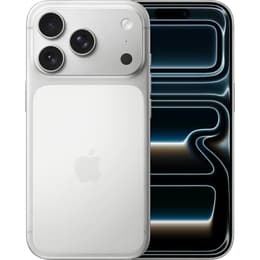
iPhone 17 Pro Vs Xiaomi Redmi Note 13 4G
- 1-year minimum warranty
- Free delivery on all orders
- Free 30-day returns
Differences at a glance
The iPhone 17 Pro (2025) and the Xiaomi Redmi Note 13 4G (2024) represent two very distinct tiers in the smartphone market, serving vastly different user requirements. While the iPhone 17 Pro operates on Apple's premium iOS ecosystem with high-end processing power, the Xiaomi Redmi Note 13 4G runs on Google's Android platform via Xiaomi's customized interface, focusing on accessible everyday utility. These devices diverge significantly in build philosophy, processing architecture, and target audience, making a direct comparison a study in balancing elite performance against core smartphone necessities.
Available Models
Colour
Storage
Scores
Durability
Evaluating the lifespan and durability of these devices reveals distinct long-term support timelines and hardware robustness.
- Software longevity and update support: The iPhone 17 Pro benefits from Apple's extended software support cycle, typically providing around five to seven years of major operating system updates. The Xiaomi Redmi Note 13 4G receives a shorter software lifecycle, typically offering security and system updates for approximately three to four years from its release.
- Build materials and physical resilience: The iPhone 17 Pro utilizes a grade-certified titanium chassis and durable glass protection, designed to withstand drops and water immersion. The Xiaomi Redmi Note 13 4G features a polycarbonate and glass construction with basic splash resistance, requiring careful handling or a protective case for rugged environments.
- Repairability and sustainable ownership: Both manufacturers provide structured repair frameworks, though opting for a quality-assured refurbished option provides an eco-friendly alternative that extends device life cycles and reduces electronic waste without compromising on structural integrity.
Year of Release
2025
2024
Compatible with latest Update
Yes
Yes
OS
iOS
Android
Foldable
No
No
Performance
System performance and responsiveness differ substantially based on the internal hardware configuration of each smartphone.
- Everyday execution and multitasking: The iPhone 17 Pro handles demanding apps, heavy mobile gaming, and complex background multitasking smoothly with advanced thermal management. The Xiaomi Redmi Note 13 4G manages daily communication, web browsing, and casual media streaming adequately, though intensive applications may experience loading delays.
- Memory and storage variations: The iPhone 17 Pro offers ample RAM configuration paired with high-speed internal storage options starting at higher baseline capacities. The Xiaomi Redmi Note 13 4G relies on moderate RAM allocations and offers expandable storage via a microSD card slot, which suits users who prefer physical media management.
- Battery behavior and daily endurance: Both devices deliver sufficient battery life to get a moderate user through a standard day, though larger battery cell capacities in the Xiaomi paired with less demanding processors balance out energy consumption against the high-refresh display demands of the Apple flagship.
Screen quality
Display technology and visual output cater to different viewing preferences and outdoor usability standards.
- Panel technology and clarity: The iPhone 17 Pro features an advanced OLED display delivering deep black levels, high contrast ratios, and sharp resolution details. The Xiaomi Redmi Note 13 4G utilizes an AMOLED panel that also provides vivid color reproduction and clear text legibility for everyday media consumption.
- Brightness and outdoor visibility: Peak brightness outputs on the iPhone 17 Pro reach significantly higher levels, ensuring clear readability under direct sunlight. The Xiaomi Redmi Note 13 4G offers adequate indoor brightness, though outdoor legibility requires manual adjustments on exceptionally sunny days.
- Motion smoothness and refresh rates: Both devices support high refresh rate capabilities, resulting in fluid scrolling through web pages, smooth menu navigation, and responsive touch interactions during daily use.
Resolution
2622x1206
1080 x 2400
Screen type
Super Retina XDR
AMOLED
Audiovisual
Imaging and audio-visual capabilities vary widely to accommodate casual snapshot enthusiasts versus mobile content creators.
- Multi-lens camera versatility: The iPhone 17 Pro incorporates a sophisticated triple-lens system with advanced telephoto zoom, wide-angle, and ultra-wide sensors that excel in diverse lighting conditions. The Xiaomi Redmi Note 13 4G relies primarily on a high-resolution main sensor accompanied by basic supporting lenses for standard daylight photography.
- Video recording and stabilization: Apple's flagship provides professional-grade video formats, cinematic stabilization, and robust low-light video performance. The Xiaomi model captures clear standard definition clips suitable for casual sharing and social media documentation.
- Audio output and media consumption: Stereo speaker setups on both devices deliver clear dialogue during calls, while the iPhone 17 Pro yields richer bass response and spatial audio depth for immersive media playback.
Main camera
48 megapixels
108 megapixels
Front camera
18 megapixels
16 megapixels
Miscellaneous
Connectivity standards, physical handling, and hardware features shape the practical day-to-day experience of holding and using each device.
- Connectivity and network standards: The iPhone 17 Pro supports advanced 5G bands, fast Wi-Fi protocols, and modern Bluetooth connectivity for stable accessory pairing. The Xiaomi Redmi Note 13 4G limits cellular connectivity strictly to 4G networks, omitting next-generation mobile data speeds.
- Physical ports and physical interface: Apple utilizes a universal USB-C connection for charging and data transfer, matching modern industry standards. Xiaomi retains both a USB-C port and a traditional 3.5mm headphone jack, catering to users who prefer wired audio gear.
- Dimensions and physical handling: The iPhone 17 Pro balances a solid, dense hand-feel with ergonomic proportions, while the Xiaomi Redmi Note 13 4G features a lightweight plastic build profile that reduces hand fatigue during extended one-handed usage sessions.
Weight
206 g
175 g
Screen size (in)
6.3
6.67
Network
5G
4G
SIM card
eSIM
Dual Physical SIM
Carrier compatibility
Unlocked
Unlocked
Connector
USB-C
USB-C
What the community thinks
User feedback from online communities highlights distinct operational realities for both models. Owners of the iPhone 17 Pro frequently praise its exceptional processing power, long-term software durability, and high-quality camera output, though some note its heavier physical weight and substantial cost considerations. Conversely, users of the Xiaomi Redmi Note 13 4G appreciate its lightweight construction, inclusion of a headphone jack, and expandable storage capacity, while noting limitations in processing heavy applications and the absence of 5G connectivity.
Users prioritizing high-end photography, extended software updates, and powerful gaming performance may prefer the iPhone 17 Pro, while users seeking a lightweight device for fundamental daily communication, media viewing, and wired audio flexibility will find the Xiaomi Redmi Note 13 4G well-suited to their needs. For consumers looking to make a sustainable choice, exploring a quality-assured refurbished option provides a reliable path to acquiring high-end technology while minimizing environmental impact.








