

Compare models
Galaxy Z Flip5 Vs iPhone Air
- 1-year minimum warranty
- Free delivery on all orders
- Free 30-day returns
Differences at a glance
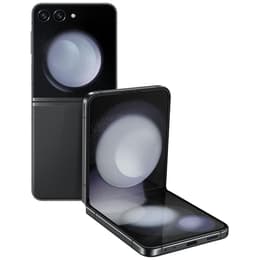
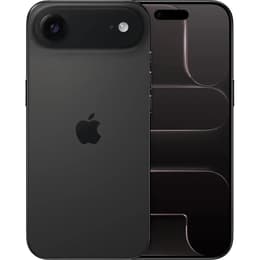
The Samsung Galaxy Z Flip5 (2023) and the Apple iPhone Air (2025) represent two distinct approaches to modern mobile engineering, contrasting a folding clamshell layout with an ultra-slim slate design. These devices cater to different user preferences by pairing unique form factors with distinct operating systems, Android and iOS respectively.
While both smartphones focus on portability and daily efficiency, they achieve their goals through completely different physical designs and user interfaces.
Available Models
Colour
Storage (GB)
Scores
Durability
When evaluating longevity, both devices offer robust build qualities and multi-year software update commitments, though they differ in their release timelines and mechanical durability.
- Release timeline and support: The Galaxy Z Flip5 arrived in 2023 running Android, while the iPhone Air launched in late 2025 running iOS, meaning the Apple device benefits from a later baseline for long-term software support.
- Mechanical vs. structural build: The Galaxy Z Flip5 features a folding hinge mechanism that requires careful handling over years of use, whereas the iPhone Air relies on a fixed, ultra-slim titanium and glass chassis.
- Refurbished availability: Choosing a quality-assured refurbished option for either model provides an eco-friendly alternative that extends device life cycles while reducing electronic waste.
Year of Release
2023
2025
Compatible with latest Update
Yes
Yes
OS
Android
iOS
Foldable
Yes
No
Performance
Performance capabilities across both models deliver responsive day-to-day navigation, though their hardware configurations handle intensive tasks differently.
- Multitasking and memory: The Galaxy Z Flip5 pairs its processor with generous RAM for fluid app switching, while the iPhone Air utilizes high-bandwidth memory to maintain smooth performance during demanding background operations.
- Everyday responsiveness: Both devices load apps quickly, handle web browsing seamlessly, and support casual gaming without stuttering.
- Thermal management: The compact folding frame of the Galaxy Z Flip5 and the exceptionally thin profile of the iPhone Air both manage heat efficiently during standard tasks, though prolonged gaming may cause noticeable warming on both models.
Screen quality
Display technology is a major focal point for both handsets, offering vibrant visuals paired with high refresh rates for smooth scrolling.
- Panel technology: The Galaxy Z Flip5 uses a folding organic light-emitting diode main panel alongside a functional cover screen, while the iPhone Air features a large, rigid organic light-emitting diode display with an adaptive high refresh rate.
- Outdoor visibility: Both screens reach high peak brightness levels, ensuring text and images remain legible under direct sunlight.
- Viewing experience: The iPhone Air offers a traditional uninterrupted widescreen viewing area, whereas the Galaxy Z Flip5 provides a tall aspect ratio when unfolded and quick-access widgets on its outer display.
Resolution
1080 x 2640
2736x1260
Screen type
Foldable Dynamic AMOLED 2X
Super Retina XDR
Audiovisual
Optics and media playback vary significantly due to the physical design constraints and internal components of each device.
- Camera systems: The Galaxy Z Flip5 utilizes a dual rear camera setup that benefits from flexible angles enabled by its folding hinge, while the iPhone Air relies on a single high-resolution wide lens backed by advanced computational photography.
- Video and low-light: Both smartphones record stable, detailed video clips and capture balanced images in dim environments thanks to modern sensor technology.
- Audio output: Speaker configurations on both models deliver clear sound for hands-free calls and casual media consumption, though neither includes a traditional headphone jack.
Main camera
12 megapixels
48 megapixels
Front camera
10 megapixels
18 megapixels
Miscellaneous
Practical everyday features highlight differences in connectivity, port standards, and physical handling.
- Connectivity and ports: The Galaxy Z Flip5 utilizes a USB-C port alongside modern wireless standards, while the iPhone Air also features USB-C connectivity paired with advanced wireless and satellite communication capabilities.
- Security sensors: The Galaxy Z Flip5 incorporates a side-mounted fingerprint scanner alongside facial recognition, whereas the iPhone Air relies entirely on facial recognition technology.
- Dimensions and weight: The Galaxy Z Flip5 folds into a compact square that slips easily into small pockets, while the iPhone Air offers an exceptionally slim, lightweight profile in a traditional slate shape.
Weight
187 g
165 g
Screen size (in)
6.7
6.5
Network
5G
5G
SIM card
Physical SIM + eSIM
eSIM
Carrier compatibility
Unlocked
Unlocked
What the community thinks
User discussions across community forums highlight distinct preferences for each device. Owners of the Galaxy Z Flip5 frequently praise its pocket-friendly folding design and the convenience of the outer cover screen for quick notifications. Conversely, users of the iPhone Air highlight its remarkably thin profile, lightweight feel in the hand, and smooth display performance as standout qualities. At the same time, some community members note that the folding screen crease on the Samsung device and the single-camera limitation on the Apple model require practical compromises depending on individual priorities.
Users prioritizing compact pocketability and flexible multi-angle framing may prefer the Galaxy Z Flip5, while users prioritizing a lightweight slate form factor and long-term software currency may lean toward the iPhone Air. Selecting a sustainable, quality-assured refurbished option allows consumers to access either of these distinct designs while supporting eco-friendly technology habits. Ultimately, the choice depends on whether a folding clamshell or an ultra-slim traditional layout better matches daily routines.