

Compare models
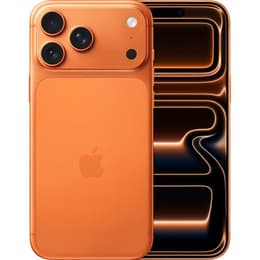
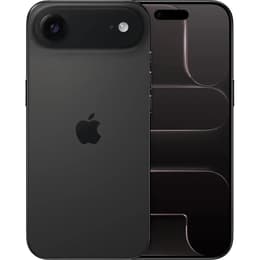
iPhone 17 Pro Max Vs iPhone Air
- 1-year minimum warranty
- Free delivery on all orders
- Free 30-day returns
Differences at a glance
The iPhone 17 Pro Max (2025) and the iPhone Air (2025) represent two distinct design philosophies within Apple's nineteenth-generation smartphone lineup. While the iPhone 17 Pro Max focuses on maximum capabilities and expanded physical dimensions, the iPhone Air prioritizes an ultra-slim profile and lightweight everyday handling. Both devices run on iOS and share core foundational processing architecture, but they cater to very different user expectations regarding hardware utility.
Available Models
Colour
Storage (GB)
Scores
Durability
Both models share a concurrent release year and receive long-term software support, though their physical builds and repair profiles present unique considerations for long-term ownership.
- Software Longevity: Both devices support multi-year operating system upgrades and security patches concurrently, ensuring identical software lifespans.
- Build and Durability: The iPhone 17 Pro Max utilizes a heavier, robust structure designed for maximum impact protection, whereas the iPhone Air features an ultra-thin titanium frame balanced for minimal weight.
- Repairability: Both models incorporate modern modular internal components, though standard professional repair availability remains comparable across each line.
Year of Release
2025
2025
Compatible with latest Update
Yes
Yes
OS
iOS
iOS
Foldable
No
No
Performance
Everyday speed and efficiency remain exceptionally high across both models, though internal thermal distribution and battery capacities differ due to their physical footprints.
- Multitasking and Responsiveness: Both devices handle demanding applications, rapid app switching, and intensive tasks smoothly thanks to generous memory capacity and advanced internal architecture.
- Storage Configurations: Both smartphones offer identical high-capacity storage tiers starting from spacious baselines up to extensive options for large media libraries.
- Battery Behavior: The larger physical housing of the iPhone 17 Pro Max accommodates an extended-capacity battery for longer active use between charges, while the slimmer profile of the iPhone Air results in more frequent charging demands during heavy daily workflows.
Screen quality
Viewing experiences differ primarily in physical scale and maximum surface area rather than core panel technology or sharpness.
- Display Technology: Both devices feature vibrant OLED panels supporting high refresh rates for smooth scrolling and responsive touch interactions.
- Brightness and Clarity: Each model delivers high peak outdoor brightness levels and sharp pixel density, ensuring clear visibility under direct sunlight.
- Screen Size: The iPhone 17 Pro Max provides an expansive viewing space suited for split-screen apps and immersive media, while the iPhone Air offers a slightly more compact large-format panel that balances workspace and pocketability.
Resolution
2868x1320
2736x1260
Screen type
Super Retina XDR
Super Retina XDR
Audiovisual
Photography and media recording capabilities highlight a fundamental divergence between multi-lens versatility and streamlined single-lens efficiency.
- Camera Systems: The iPhone 17 Pro Max features a versatile multi-lens array including dedicated optical zoom capabilities, whereas the iPhone Air employs a streamlined single main camera setup.
- Low-Light and Video: Both models capture detailed everyday photos and high-resolution video, but the Pro Max offers advanced zoom and stabilization options for specialized recording scenarios.
- Audio Output: The iPhone 17 Pro Max includes robust stereo speaker output suited for media consumption without headphones, while the iPhone Air utilizes a more simplified single-speaker configuration.
Main camera
48 megapixels
48 megapixels
Front camera
18 megapixels
18 megapixels
Miscellaneous
Physical dimensions, weight distribution, and connectivity features dictate how each device integrates into daily travel and accessory ecosystems.
- Handling and Portability: The iPhone Air emphasizes a featherlight footprint and remarkably thin profile for effortless carrying, whereas the iPhone 17 Pro Max features a heavier, substantial build.
- Connectivity: Both smartphones support modern high-speed wireless networks, advanced Bluetooth standards, and secure digital identification sensors.
- Physical Ports: Each device utilizes a universal connector standard for wired charging and data transfer alongside modern wireless charging compatibility.
Weight
233 g
165 g
Screen size (in)
6.9
6.5
Network
5G
5G
SIM card
eSIM
eSIM
Carrier compatibility
Unlocked
Unlocked
Connector
USB-C
USB-C
What the community thinks
User discussions across community forums frequently highlight distinct preferences for each device based on practical habits. Owners of the iPhone 17 Pro Max often praise its long battery endurance, versatile multi-lens camera array, and expansive display, though some note its heavier weight and large pocket footprint. Conversely, users favor the iPhone Air for its exceptionally light, thin profile that makes handling comfortable during extended calls or mobile reading, while noting trade-offs in maximum battery duration and single-lens photography flexibility.
Users prioritizing maximum battery longevity, comprehensive zoom photography, and an expansive workspace will find the iPhone 17 Pro Max well-suited to their routine. Meanwhile, users who value ultra-lightweight portability and a minimalist physical form factor over specialized camera hardware may lean toward the iPhone Air. Choosing a quality-assured refurbished option through platforms like Back Market provides an eco-friendly way to access these devices with verified performance reliability. Ultimately, selecting between the two depends entirely on whether physical lightness or maximum hardware capability takes priority in daily use.