
Compare models
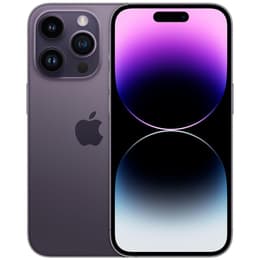
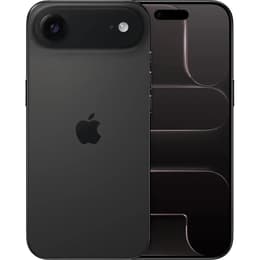
iPhone 14 Pro Vs iPhone Air
- 1-year minimum warranty
- Free delivery on all orders
- Free 30-day returns
Differences at a glance
The iPhone 14 Pro (2022) and the iPhone Air (2025) represent two distinct approaches to smartphone design and engineering within Apple's ecosystem. While the iPhone 14 Pro prioritizes a compact, feature-dense professional hardware layout, the iPhone Air focuses on an ultra-slim profile and a larger viewing canvas. Both models run on modern versions of iOS and offer fluid software experiences, though they cater to very different preferences in physical handling and daily capability.
Available Models
Colour
Storage (GB)
Scores
Durability
When evaluating structural longevity and software support, both devices offer robust build quality paired with extended operating system update timelines, though their release years create a natural gap in total active lifespan.
- Release timeline and support: The iPhone 14 Pro launched in 2022, while the iPhone Air arrived in 2025, meaning the newer model maintains a longer runway for future software updates and security patches.
- Build durability: Both models incorporate high-grade titanium or stainless steel frames alongside advanced ceramic-infused glass protection, ensuring strong resistance to everyday wear and accidental drops.
- Expected practical lifespan: Due to its newer internal hardware generation, the iPhone Air retains a longer window of peak software compatibility for future demanding applications.
Year of Release
2022
2025
Compatible with latest Update
Yes
Yes
OS
iOS
iOS
Foldable
No
No
Performance
System responsiveness and everyday multitasking differ primarily through generational hardware improvements and available memory configurations across both models.
- Multitasking and memory: The iPhone Air features expanded system memory that handles heavy background app switching and demanding workflows with noticeable fluidity.
- Battery behavior: The iPhone 14 Pro relies on a standard physical footprint to sustain a full day of mixed use, whereas the iPhone Air achieves efficient power management despite its exceptionally slim chassis.
- Everyday responsiveness: Both devices load apps instantly, run complex software smoothly, and maintain high system speeds during routine daily tasks.
Screen quality
Display characteristics vary significantly in physical dimensions and peak illumination capabilities, influencing how media and text appear outdoors.
- Display technology: Both models utilize vibrant OLED panels equipped with adaptive high refresh rates for smooth scrolling and deep contrast ratios.
- Size and viewing space: The iPhone 14 Pro features a compact 6.1-inch screen ideal for single-handed use, while the iPhone Air provides a larger 6.5-inch viewing area for enhanced media consumption.
- Outdoor brightness: The iPhone Air reaches higher peak outdoor brightness levels, ensuring clearer visibility under direct sunlight compared to the older generation.
Resolution
1179 x 2556
2736x1260
Screen type
LTPO Super Retina XDR OLED
Super Retina XDR
Audiovisual
Imaging and media playback configurations highlight the core philosophical differences between a multi-lens professional setup and a streamlined single-lens approach.
- Camera system capabilities: The iPhone 14 Pro features a flexible triple-lens array including a dedicated telephoto zoom, whereas the iPhone Air employs a single high-resolution fusion camera system.
- Video and audio output: Both models support stable high-resolution video recording with advanced stabilization, while audio playback relies on integrated speaker systems tailored to each device's internal volume.
- Low-light photography: The iPhone 14 Pro benefits from its varied focal lengths for distant subjects, while the iPhone Air captures sharp everyday and low-light stills through its primary sensor.
Main camera
48 megapixels
48 megapixels
Front camera
12 megapixels
18 megapixels
Miscellaneous
Practical physical traits, port types, and connectivity standards dictate how each device fits into accessories and travel routines.
- Physical dimensions: The iPhone 14 Pro is heavier and thicker with a stainless steel finish, whereas the iPhone Air emphasizes a featherlight and remarkably thin titanium construction.
- Connectivity options: Both models support fast 5G networks, secure face recognition sensors, and modern wireless communication standards.
- Port types: The iPhone 14 Pro uses a Lightning connector, while the iPhone Air adopts the universal USB-C standard for wired charging and data transfers.
Weight
206 g
165 g
Screen size (in)
6.1
6.5
Network
5G
5G
SIM card
Physical SIM + eSIM
eSIM
Carrier compatibility
Unlocked
Unlocked
Connector
Lightning
USB-C
What the community thinks
User feedback from online communities indicates widespread appreciation for the iPhone 14 Pro's compact ergonomics and versatile multi-lens camera setup, though some users note its heavier weight and older charging port. Conversely, the iPhone Air receives frequent praise for its groundbreaking thinness and large display, with occasional discussions centering on its single-lens limitation and lower physical profile.
Users prioritizing a pocket-friendly size and versatile zoom photography may prefer the iPhone 14 Pro, while users prioritizing an expansive screen and ultra-lightweight construction will find the iPhone Air well-suited to their needs. For those exploring sustainable purchasing routes, choosing a quality-assured refurbished option provides a reliable and eco-friendly alternative to purchasing newly manufactured hardware. Ultimately, the choice depends entirely on whether physical lightness or multi-lens versatility matters more to your daily routine.