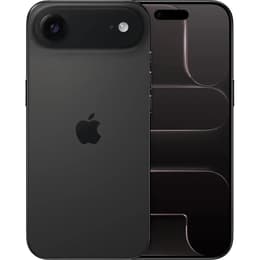

Compare models

iPhone 15 Vs iPhone Air

  • 1-year minimum warranty
  • Free delivery on all orders
  • Free 30-day returns
iPhone 15
Starting at

Refurbished price:401.00

Versus €879.00 new

See options
iPhone Air
Starting at

Refurbished price:739.00

Versus €1,339.00 new

See options

Differences at a glance

The iPhone 15 (2023) and the iPhone Air (2025) represent two distinct approaches to Apple's smartphone engineering, separated by a two-year evolution in hardware design. While both devices run on Apple's iOS ecosystem and incorporate modern connectors, they target different preferences through contrasting form factors, display sizes, and internal capabilities. Choosing between them comes down to balancing classic handheld ergonomics against ultra-slim modern architecture.

Available Models

Colour

Storage (GB)

Scores

Durability

Both models benefit from long-term software support, though their release timelines and hardware configurations dictate different expectations for longevity and physical upkeep.

  • Software Support Timeline: The iPhone 15 launched in 2023, whereas the iPhone Air arrived in 2025, giving the newer model an extended window for future system updates.
  • Build and Repairability: The iPhone 15 utilizes an aluminum and color-infused glass construction, while the iPhone Air adopts a grade-5 titanium frame and reinforced glass, presenting different tactile profiles and repair considerations.
  • Expected Lifespan: Both devices are engineered to handle multi-year daily use, though users seeking a quality-assured refurbished option from Back Market can find reliable versions of both models inspected for sustained battery and functional health.

Year of Release

2023

2025

Compatible with latest Update

Yes

Yes

OS

iOS

iOS

Foldable

No

No

Performance

Internal hardware configurations vary significantly between the two generations, directly influencing how each device handles everyday multitasking, app loading, and resource-heavy software.

  • System Responsiveness: The iPhone Air incorporates a higher tier of processing capability paired with double the memory capacity of the iPhone 15, resulting in smoother multitasking and quicker execution of demanding applications.
  • Battery Behavior: The iPhone 15 features a conventional battery footprint that reliably gets typical users through a full day, whereas the ultra-thin profile of the iPhone Air houses a smaller battery capacity that may require more frequent attention from heavy users.
  • Storage Configurations: Both devices offer tiered storage tiers starting at baseline capacities suitable for general media storage, scaling upward for users with extensive application libraries.

Screen quality

Display characteristics define a major physical differentiator between the two smartphones, impacting viewing area, outdoor readability, and motion smoothness.

  • Display Technology and Size: The iPhone 15 relies on a standard 6.1-inch OLED screen, while the iPhone Air steps up to a larger 6.5-inch OLED panel with narrower borders.
  • Refresh Rate and Motion: The iPhone Air introduces a smooth 120Hz adaptive refresh rate, providing fluid scrolling compared to the traditional 60Hz refresh rate found on the iPhone 15.
  • Outdoor Brightness: The iPhone Air achieves higher peak outdoor brightness levels than the iPhone 15, improving visibility under direct sunlight.

Resolution

1179 x 2556

2736x1260

Screen type

Super Retina XDR OLED

Super Retina XDR

Audiovisual

Optics and media playback capabilities diverge notably, reflecting different priorities in hardware space allocation and multi-lens configurations.

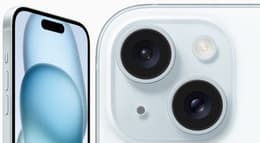
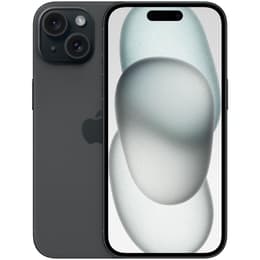
  • Rear Camera Systems: The iPhone 15 features a dual-lens setup including a main sensor and an ultra-wide lens, whereas the iPhone Air streamlines photography down to a single high-resolution 48-megapixel main sensor housed within an elevated camera plateau.
  • Audio Output: The iPhone 15 includes stereo speaker output for media consumption, while the ultra-thin design of the iPhone Air relies on a mono speaker setup.
  • Front-Facing Camera: Both models deliver clear video call quality and high-resolution self-portraits, though sensor refinements in the newer generation offer enhanced clarity in variable lighting conditions.

Main camera

48 megapixels

48 megapixels

Front camera

12 megapixels

18 megapixels

Miscellaneous

Practical physical traits, connectivity standards, and daily usability features dictate how each phone integrates into a traveler's or professional's routine.

  • Dimensions and Weight: The iPhone 15 offers a compact, traditional footprint weighing 171 grams, while the iPhone Air prioritizes an ultra-light 165-gram body with a slim 5.6 mm thickness.
  • Connectivity Standards: Both models feature USB-C connectivity and wireless charging support, though the iPhone Air upgrades to newer Wi-Fi protocol standards for faster local network speeds.
  • SIM Architecture: Depending on the regional model variant, both devices support digital eSIM technology, streamlining carrier activation without physical cards.

Weight

171 g

165 g

Screen size (in)

6.1

6.5

Network

5G

5G

SIM card

Physical SIM + eSIM

eSIM

Carrier compatibility

Unlocked

Unlocked

Connector

USB-C (USB 2)

USB-C

What the community thinks

User feedback from online forums highlights distinct preferences for each device. Owners of the iPhone 15 frequently praise its reliable battery performance, comfortable one-handed grip, and practical dual-camera versatility. Common discussions around the iPhone Air center on appreciation for its remarkably thin frame and fluid screen refresh rate, though some users note the mono speaker output and single rear lens require adjustment compared to standard multi-camera layouts.

Users prioritizing a compact form factor, traditional dual-lens photography, and balanced everyday endurance will find the iPhone 15 well-suited to their routine. Conversely, users prioritizing an expansive high-refresh-rate display, ultra-lightweight architecture, and maximum processing headroom may prefer the iPhone Air. Eco-conscious consumers can explore sustainable, quality-assured refurbished choices for both models on Back Market to match their personal sustainability goals.