

Compare models

iPhone 16 Pro Max Vs iPhone Air

  • 1-year minimum warranty
  • Free delivery on all orders
  • Free 30-day returns
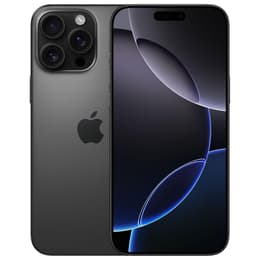
iPhone 16 Pro Max
Starting at

Refurbished price:817.00

Versus €1,489.00 new

See options
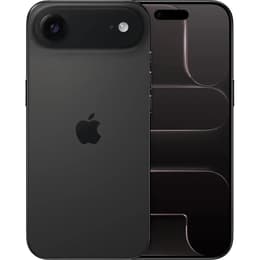
iPhone Air
Starting at

Refurbished price:739.00

Versus €1,339.00 new

See options

Differences at a glance

The iPhone 16 Pro Max (2024) and the iPhone Air (2025) represent two distinct design philosophies within Apple's smartphone ecosystem. While both devices deliver powerful everyday capabilities, the iPhone 16 Pro Max focuses on maximum screen space and extensive multi-lens versatility, whereas the iPhone Air prioritizes an ultra-slim profile and lightweight form factor.

Both smartphones operate on modern versions of iOS, ensuring seamless access to current software ecosystems, yet they target different user priorities through their physical build and core capabilities.

Available Models

Colour

Storage (GB)

Scores

Durability

When examining longevity and durability, both devices offer robust build qualities designed to withstand years of regular daily use while receiving timely system updates.

  • Release timeline and support: The iPhone 16 Pro Max debuted in late 2024, while the iPhone Air followed in late 2025, meaning both benefit from lengthy software support windows and extended update lifespans.
  • Build materials and protection: Both models utilize titanium frames and reinforced glass layers, with the iPhone Air adopting updated anti-reflective screen protection and a rigid internal layout.
  • Practical lifespan: Users can expect strong battery health longevity and sustained everyday responsiveness across several years of ownership, whether purchasing brand new or opting for a quality-assured refurbished option.

Year of Release

2024

2025

Compatible with latest Update

Yes

Yes

Foldable

No

No

Performance

System responsiveness and day-to-day speed remain exceptional on both smartphones, though they handle heavy workloads and power distribution differently.

  • Multitasking and app execution: Both devices load demanding applications instantly and switch between multiple open programs without stuttering, supported by generous memory configurations.
  • Battery behavior: The larger body of the iPhone 16 Pro Max accommodates a higher-capacity battery designed for extended media playback, whereas the streamlined profile of the iPhone Air requires more frequent recharging during intense usage days.
  • Storage capacity: Both models offer spacious internal storage tiers ranging from entry-level options up to high-capacity configurations for large media libraries.

Screen quality

Display technology on both devices delivers crisp visuals, smooth motion handling, and high peak outdoor brightness for comfortable viewing in varied lighting conditions.

  • Display size and immersion: The iPhone 16 Pro Max features a spacious 6.9-inch panel suited for split-screen tasks and immersive video viewing, while the iPhone Air offers a slightly more compact 6.5-inch screen that balances viewing space with easier handling.
  • Motion and clarity: Both screens support high refresh rates up to 120Hz for fluid scrolling, alongside deep contrast levels and sharp resolution details.
  • Outdoor usability: High peak brightness levels ensure that text and images remain legible under direct sunlight on both models.

Resolution

1320 x 2868

2736x1260

Screen type

LTPO Super Retina XDR OLED

Super Retina XDR

Audiovisual

Optics and media playback capabilities highlight a major divergence in how each device approaches everyday photography and entertainment.

  • Camera versatility: The iPhone 16 Pro Max utilizes a versatile triple-lens system with extended optical zoom range for varied photography styles, while the iPhone Air features a single, streamlined 48-megapixel main camera system.
  • Video and audio output: Both models record sharp, stable video footage with clear microphone input, though the iPhone 16 Pro Max includes stereo speaker output designed for richer media consumption compared to the mono speaker configuration on the iPhone Air.
  • Low-light performance: Advanced image processing allows both devices to capture bright, detailed photos in dim environments, though zoom-heavy scenarios favor the multi-lens Pro layout.

Main camera

48 megapixels

48 megapixels

Front camera

12 megapixels

18 megapixels

Miscellaneous

Practical daily usability elements, connectivity standards, and physical dimensions shape the physical interaction with each smartphone.

  • Handling and weight: The iPhone 16 Pro Max is a heavier, larger device tailored for maximum screen real estate, whereas the iPhone Air focuses on a remarkably thin profile and light weight for effortless one-handed use.
  • Connectivity and ports: Both models support rapid wireless networking standards, while physical connection configurations vary slightly regarding wired transfer speeds and SIM card implementation depending on regional specifications.
  • Durability standards: Both devices feature robust water and dust resistance ratings to protect against accidental spills and outdoor exposure.

Weight

227 g

165 g

Screen size (in)

6.9

6.5

Network

5G

5G

SIM card

eSIM

eSIM

Carrier compatibility

Unlocked

Unlocked

Connector

USB-C (USB 3)

USB-C

What the community thinks

User feedback from online communities highlights distinct preferences for each device based on daily routines. Owners of the iPhone 16 Pro Max frequently praise its exceptional battery endurance, large display estate, and versatile zoom lenses, though some note its heavier weight and large physical footprint in pockets. Conversely, users appreciate the iPhone Air for its featherlight feel and ultra-thin profile, while noting trade-offs in speaker output volume and battery longevity during heavy tasks.

Users prioritizing maximum screen space, optical zoom flexibility, and long battery life will find the iPhone 16 Pro Max well-suited to their needs, while users prioritizing a lightweight build and effortless pocketability may prefer the iPhone Air. For those exploring sustainable tech habits, choosing a quality-assured refurbished option provides an eco-friendly alternative without compromising on core performance.