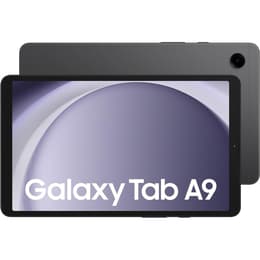
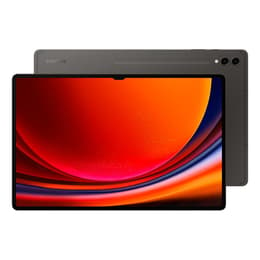


Galaxy Tab A9 (8.7", 2023) Vs Galaxy Tab S9 (11.0", 2023)

Galaxy Tab A9 (8.7", 2023)
Starting at

Refurbished price:153.00

Versus €255.86 new

See options
Galaxy Tab S9 (11.0", 2023)
Starting at

Refurbished price:491.00

Versus €1,219.00 new

See options

Ratings

The Samsung Galaxy Tab A9 (released October 2023) and the Samsung Galaxy Tab S9 (released August 2023) are both Android-based tablets from the same year, yet they cater to different user needs and expectations. While both run on the Android operating system with Samsung's One UI, the Tab S9 is positioned as a premium device with advanced features, whereas the Tab A9 offers a more compact and accessible experience. The primary differentiators lie in their display technology, processing power, and overall build quality.

Scores

Durability

When considering the long-term usability of these tablets, their release timelines and Samsung's software support policies are key factors. Both devices launched in 2023, meaning they started with Android 13.

  • Software Longevity: The Galaxy Tab S9, being part of the flagship S series, is expected to receive four major Android operating system updates and five years of security updates, ensuring a longer period of current software features and security patches. The Galaxy Tab A9, as an A series tablet, typically receives fewer major OS updates, often around two to three, with security updates extending for a similar duration, though specific commitments are less defined for this series.
  • Build and Durability: The Galaxy Tab S9 features a robust aluminum frame and back, along with an IP68 rating for water and dust resistance, contributing to its overall durability and resilience against environmental factors. The Galaxy Tab A9 has a metallic body, often described as an aluminum alloy, but lacks official water or dust resistance ratings, making it less protected against accidental spills or exposure.
  • Practical Lifespan: Users aiming for the longest possible software support and physical resilience will find the Galaxy Tab S9 better suited for extended use. The Tab A9, while durable for everyday handling, may see its software support conclude sooner, potentially impacting its ability to run the latest applications or features in the distant future.

Year of Release

2023

2023

Compatible with latest Update

Yes

Yes

OS

Android

Android

Performance

The performance capabilities of these two tablets vary significantly, impacting how smoothly they handle different tasks, from basic browsing to demanding applications.

  • Processing Power: The Galaxy Tab S9 is equipped with a high-performance processor designed for demanding tasks, offering smooth operation for intensive applications, advanced multitasking, and graphic-heavy gaming. The Galaxy Tab A9 features a processor that capably handles everyday activities like web browsing, video streaming, and light gaming, but users may notice slower performance with more complex applications or extensive multitasking.
  • Multitasking and Responsiveness: The Tab S9 typically comes with more system memory, allowing for seamless switching between multiple applications and maintaining responsiveness even under heavy load. The Tab A9 offers adequate system memory for general use, but its multitasking capabilities are more suited for a few applications running concurrently, with potential for minor delays when switching between many open apps.
  • Storage Options: Both tablets offer various internal storage configurations, with the option to expand storage using a microSD card, providing flexibility for storing apps, media, and documents.

Memory (GB)

4 GB

8 GB

Processor

Mediatek Helio G99

Qualcomm SM8550-AC Snapdragon 8 Gen 2

Screen quality

The visual experience is a major distinguishing factor between the Galaxy Tab A9 and the Galaxy Tab S9, primarily due to differences in display technology and resolution.

  • Display Technology and Clarity: The Galaxy Tab S9 features an 11-inch Dynamic AMOLED 2X display, known for its deep blacks, vibrant colors, and excellent contrast, providing a rich viewing experience for all types of content. The Galaxy Tab A9 comes with an 8.7-inch TFT LCD panel, which offers clear visuals suitable for general use, though it does not match the color depth or contrast levels of an AMOLED screen.
  • Resolution and Refresh Rate: The Tab S9 boasts a higher resolution of 1600 x 2560 pixels and a 120Hz refresh rate, resulting in sharper images, finer details, and smoother scrolling and animations. The Tab A9 has a resolution of 1340 x 800 pixels, which is sufficient for its screen size but offers less detail compared to the S9, and typically features a standard refresh rate, leading to a less fluid visual experience.
  • Brightness and Viewing Experience: The Dynamic AMOLED 2X display on the Tab S9 generally achieves higher brightness levels, making it more comfortable to use in brightly lit environments or outdoors. The larger screen size also enhances the immersive quality for media consumption and productivity. The Tab A9's display is suitable for indoor use, but its brightness may be less effective under direct sunlight.

Resolution

800 x 1340

1600 x 2560

Screen type

TFT LCD

Dynamic AMOLED 2X

Pixel density

180ppp

280ppp

Audiovisual

While tablets are not typically primary photography devices, their camera systems are important for video calls, document scanning, and casual photo capture. The Galaxy Tab S9 offers a more capable camera setup compared to the Galaxy Tab A9.

  • Camera System Capabilities: The Galaxy Tab S9 includes a 13 MP rear camera and a 12 MP front camera, providing higher resolution for both photos and video calls. The Galaxy Tab A9 features an 8 MP rear camera and a 2 MP front camera, which are suitable for basic photography and video conferencing.
  • Photography and Video Quality: The Tab S9's cameras are capable of recording video at 4K resolution at 30 frames per second from both the front and rear cameras, offering clearer and more detailed video capture. The Tab A9 records video at Full HD (1920 x 1080) at 30 frames per second, which is adequate for general use but lacks the sharpness of 4K.
  • Audio for Media and Calls: The Galaxy Tab S9 is equipped with quad stereo speakers, delivering a richer and more immersive audio experience for media consumption and video calls. The Galaxy Tab A9 features stereo speakers, providing clear audio for everyday use.

Miscellaneous

Beyond core specifications, several practical features and design elements differentiate these two Samsung tablets, influencing their usability in various scenarios.

  • Connectivity and Ports: The Galaxy Tab S9 supports Wi-Fi 6E and Bluetooth 5.3, offering faster and more stable wireless connections, and features a USB-C 3.2 port for quicker data transfer. The Galaxy Tab A9 supports Wi-Fi 802.11ac and Bluetooth 5.3, providing reliable wireless connectivity, and includes a USB-C port. The Tab A9 also retains a 3.5mm headphone jack, which is absent on the Tab S9.
  • Stylus Support and Biometrics: A significant advantage of the Galaxy Tab S9 is its included S Pen, which offers precise input for note-taking, drawing, and navigation, and is IP68 water and dust resistant. The Tab S9 also features an in-display fingerprint sensor for secure and convenient unlocking. The Galaxy Tab A9 does not support an S Pen and relies on facial recognition and traditional PIN/pattern for security.
  • Design and Handling: The Tab S9 has a slimmer profile and a slightly larger screen at 11 inches, weighing around 498g, offering a premium feel. The Tab A9 is more compact with an 8.7-inch display and weighs approximately 332g, making it highly portable and easy to handle with one hand.

Weight

332 g

129 g

Screen size (in)

8.7

11.0

Network

Wi-Fi

Wi-Fi

Carrier compatibility

Without SIM Port

Unlocked

Connector

USB Type-C

USB Type-C

User feedback often highlights the Galaxy Tab S9 as a premium tablet experience, praised for its vibrant display, powerful performance, and the versatility offered by the included S Pen. Many users appreciate its capability to handle demanding applications and provide an immersive media consumption experience. Criticisms are less common but sometimes point to its higher positioning within the tablet market.

Conversely, the Galaxy Tab A9 is frequently lauded for its compact size and suitability for basic tasks like reading, casual browsing, and light entertainment. Users often find it to be a practical device for everyday use, especially for those who prioritize portability. Common concerns sometimes revolve around its display quality and performance limitations when compared to higher-end models, particularly for users accustomed to more powerful devices.

Users prioritizing a high-quality display, robust performance for productivity and creative tasks, and integrated stylus functionality will find the Galaxy Tab S9 well-suited to their needs. Its enhanced durability and longer software support also make it a strong choice for those seeking a device with a longer practical lifespan. For individuals who value portability, a smaller form factor, and a device primarily for media consumption, web browsing, and light tasks, the Galaxy Tab A9 presents a compelling option.

Both tablets offer a gateway to the Android ecosystem, and for those considering a more sustainable choice, quality-assured refurbished options are available, providing an eco-friendly alternative to new devices.


See all articles

Our recent comparisons