


Compare models
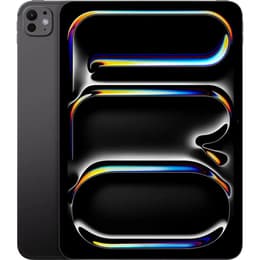
Galaxy Tab A9+ (11.0", 2023) Vs iPad Pro (2025, M5 series)
- 1-year minimum warranty
- Free delivery on all orders
- Free 30-day returns
Differences at a glance
The Samsung Galaxy Tab A9+ (2023) and the Apple iPad Pro (2025, M5 series) represent two distinct segments of the tablet market, catering to vastly different user requirements and budgets. While both devices offer portable 11-inch form factors designed for digital media and daily organization, they differ significantly in their internal capabilities, operating systems, and target audience expectations. Choosing between Android and iPadOS platforms depends heavily on whether daily workflows involve basic streaming or demanding professional workloads.
Available Models
Colour
Storage (GB)
Scores
Durability
Evaluating the practical lifespan of these tablets reveals distinct differences in release timelines, software update support, and long-term durability expectations. Users seeking a sustainable, long-term device can explore a quality-assured refurbished option as an eco-friendly alternative to purchasing newly manufactured hardware.
- Release Timeline and Software Support: The Galaxy Tab A9+ debuted in late 2023, running on the Android operating system with standard security patch cycles. The iPad Pro arrived in late 2025, utilizing Apple's iPadOS platform which typically receives system updates for an extended number of years.
- Build Integrity and Repairability: Both models feature slim aluminum enclosures designed to withstand daily transit, though repairability scores remain relatively low for modern sealed electronics, meaning professional assistance is generally required for internal component servicing.
Year of Release
2023
2025
Compatible with latest Update
Yes
Yes
OS
Android
iPadOS
Performance
Internal hardware configurations dictate how each device handles everyday multitasking, app loading speeds, and demanding creative software. Users will notice stark contrasts in system responsiveness depending on workload intensity.
- System Responsiveness and Multitasking: The Galaxy Tab A9+ handles everyday tasks like web browsing, video streaming, and casual document editing smoothly. In contrast, the iPad Pro utilizes a desktop-class processor that manages heavy multi-window workflows, 3D rendering, and intensive gaming without stuttering.
- Storage and Memory Management: Storage options vary across tiers to accommodate local file storage, while RAM allocations on the iPad Pro provide substantial headroom for running multiple resource-heavy applications simultaneously compared to the more modest memory configuration of the Samsung model.
Screen quality
Visual output and display technology heavily influence the media consumption and reading experience on portable screens. Each tablet adopts a different panel type suited to its market placement.
- Display Technology and Clarity: The Galaxy Tab A9+ utilizes a standard TFT LCD panel with crisp resolution suitable for everyday video viewing. The iPad Pro features an advanced OLED-based screen technology that delivers deep contrast levels, vibrant color accuracy, and high peak brightness for outdoor use.
- Refresh Rate and Smoothness: Both devices incorporate higher refresh rate capabilities than standard sixty-hertz screens, ensuring smooth scrolling through web pages and responsive touch interactions during daily navigation.
Resolution
1200 x 1920
2420 x 1668
Screen type
TFT LCD
Ultra Retina XDR display
Audiovisual
Tablet cameras generally serve functional roles such as document scanning, video calls, and casual snapshots rather than primary photography. Hardware capabilities differ accordingly between the two models.
- Optics and Sensor Quality: The Galaxy Tab A9+ includes basic front and rear camera sensors adequate for casual video conferencing and quick photo capture. The iPad Pro integrates higher-resolution camera arrays paired with advanced depth-sensing technology suitable for augmented reality applications and professional scanning.
- Audio and Media Output: Multi-speaker configurations on both tablets deliver clear sound for conference calls and media streaming, with the iPad Pro offering a more robust multi-speaker arrangement that fills larger rooms effectively.
Miscellaneous
Physical dimensions, connectivity standards, and daily usability features define how easily each tablet integrates into travel and work routines. Both models offer modern wireless capabilities alongside specific physical port designs.
- Connectivity and Ports: The Galaxy Tab A9+ features a standard USB Type-C port, a headphone jack, and optional cellular connectivity. The iPad Pro relies exclusively on a versatile Thunderbolt-compatible USB Type-C port and advanced wireless standards without legacy audio connectors.
- Handling and Portability: Both tablets maintain slim profiles under seven millimeters in thickness, making them comfortable to hold during extended reading sessions or pack into a commuter bag.
Weight
480 g
444 g
Screen size (in)
11.0
11
Network
Wi-Fi + 5G
Wi-Fi
Carrier compatibility
Unlocked
Without SIM Port
What the community thinks
Community discussions on platforms like Reddit frequently highlight the Galaxy Tab A9+ as a straightforward, dependable choice for media streaming and casual household web browsing without unnecessary complexity. Common criticisms for the Samsung model focus on its limited processing headroom for heavy creative applications and modest base memory configurations. Conversely, users frequently praise the iPad Pro for its exceptional processing capability and vibrant display, though some note the high cost associated with its tier as a consideration for casual buyers. Users prioritizing lightweight daily tasks, media consumption, and simple reading will find the Galaxy Tab A9+ well-suited to their needs. Meanwhile, users prioritizing intensive professional workloads, digital illustration, or maximum longevity may lean toward the iPad Pro. Selecting either model as a quality-assured refurbished option provides a sustainable choice that reduces electronic waste while meeting specific computing requirements.