
Samsung Tab

Compare models
Differences at a glance
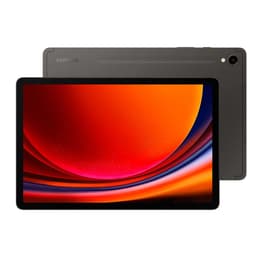
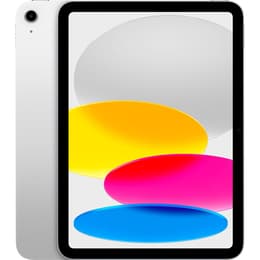
The Samsung Galaxy Tab S9, released in August 2023, and the hypothetical iPad 2025 A16 Series represent distinct approaches to the tablet experience. While both devices offer powerful performance for a range of tasks, they differ significantly in their operating systems, display technologies, and ecosystem integration. The Galaxy Tab S9 runs on Android with Samsung's One UI, offering a high-refresh-rate AMOLED display and an included stylus, whereas the iPad 2025 A16 Series is expected to feature Apple's iPadOS, a powerful processor, and a focus on a streamlined user experience.
Colour
Storage
When considering the long-term usability of a tablet, software support and physical durability are key factors. The Galaxy Tab S9, launched in 2023, is guaranteed to receive four major Android OS updates, extending its software support up to Android 17, along with five years of security updates from its release date. This provides a solid foundation for several years of current application compatibility. The iPad 2025 A16 Series, being a newer device, is anticipated to benefit from Apple's typical long-term software support, which often spans 5-7 years for major iPadOS updates and up to 8-10 years for security updates.
Year of Release
Compatible with latest Update
OS
Both tablets are designed to deliver strong performance for a variety of tasks, from everyday browsing to more demanding applications. The Galaxy Tab S9 is equipped with a powerful, high-end processor that enables smooth multitasking, responsive app loading, and capable handling of graphically intensive games. Users often describe its performance as "hella fast" and "silky smooth" even after extended use. The iPad 2025 A16 Series, featuring a current-generation Apple Bionic chip, is expected to provide exceptional processing power and efficiency, ensuring a fluid experience across iPadOS applications and demanding creative workflows.
The visual experience on a tablet is largely defined by its display, and these two devices offer distinct technologies and features. The Galaxy Tab S9 boasts an 11-inch Dynamic AMOLED 2X display, known for its deep blacks, vibrant colors, and excellent contrast. This display also features a 120Hz refresh rate, contributing to smoother scrolling and more fluid animations. The iPad 2025 A16 Series is expected to come with a Liquid Retina IPS LCD, likely around 10.9 or 11 inches, offering accurate color reproduction and good viewing angles, though typically at a standard 60Hz refresh rate for non-Pro models.
Resolution
Screen type
Pixel density
While tablets are not typically primary photography devices, their camera systems are important for video calls, document scanning, and occasional photo capture. The Galaxy Tab S9 features a 13MP main camera on the rear with autofocus and an LED flash, alongside a 12MP ultrawide front-facing camera. Both cameras are capable of recording video at 4K resolution at 30 frames per second. The iPad 2025 A16 Series is anticipated to include a 12MP wide rear camera and a 12MP ultrawide front camera, likely positioned for landscape use, also supporting 4K video recording.
Beyond core performance and display, several practical features contribute to the overall user experience of a tablet. The Galaxy Tab S9 includes an S Pen stylus in the box, offering precise input for note-taking, drawing, and navigation. It also features an in-display fingerprint sensor for secure unlocking. The iPad 2025 A16 Series will support the Apple Pencil (sold separately), providing a similar creative and productivity tool, and is expected to utilize Face ID or Touch ID for biometric authentication.
Weight
Screen size (in)
Network
Carrier compatibility
User feedback for the Galaxy Tab S9 often highlights its vibrant AMOLED display, the inclusion and utility of the S Pen, and its robust performance for both productivity and entertainment. Users appreciate the flexibility of Android and Samsung's One UI for multitasking and customization. Some common praises include its speed and suitability for college work and gaming. Criticisms are less frequent but can sometimes touch on the availability of first-party accessories for older models or the occasional app refresh with lower RAM configurations.
For the iPad 2025 A16 Series, general sentiment around iPads often praises the longevity of software support, the vast ecosystem of tablet-optimized applications, and the intuitive nature of iPadOS. Users typically value the consistent performance and the integration within the Apple ecosystem. Potential concerns for a base iPad model might include the standard 60Hz display refresh rate and the lack of expandable storage, which are common characteristics of non-Pro iPads.
Users prioritizing a vibrant, high-refresh-rate AMOLED display, an included stylus for creative and productivity tasks, and the flexibility of the Android operating system with expandable storage may find the Galaxy Tab S9 well-suited to their needs. This device is a strong choice for those who appreciate customization and a more open ecosystem. Conversely, users who value a streamlined operating system, a vast selection of tablet-optimized applications, and a longer history of software updates may lean toward the iPad 2025 A16 Series. This device is often preferred by individuals deeply integrated into the Apple ecosystem or those seeking a consistent, intuitive user experience.
Both tablets offer compelling features for different user profiles. For those considering either device, exploring quality-assured refurbished options can provide an eco-friendly alternative to acquiring these powerful tablets.









