

Compare models

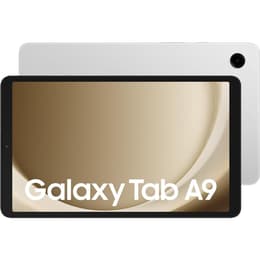
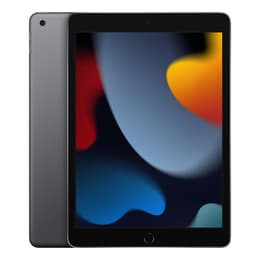
Galaxy Tab A9 (8.7", 2023) Vs iPad 9 (2021, A13 series)

  • 1-year minimum warranty
  • Free delivery on all orders
  • Free 30-day returns
Galaxy Tab A9 (8.7", 2023)
Starting at

Refurbished price:€179.00

Versus €255.86 new

See options
iPad 9 (2021, A13 series)
Starting at

Refurbished price:€198.00

Versus €429.00 new

See options

Differences at a glance

The Samsung Galaxy Tab A9 (8.7", 2023) and the Apple iPad 9 (2021) represent accessible tablet choices designed for everyday productivity, media streaming, and casual browsing. While the Galaxy Tab A9 offers a more compact form factor running on the Android operating system, the iPad 9 relies on Apple's iPadOS ecosystem paired with a larger screen layout. Choosing between these two devices largely depends on preferred software environments and physical dimensions rather than dramatic performance divides.

Available Models

Colour

Storage

Scores

Durability

When examining hardware longevity and software support, both tablets approach long-term usability through different update tracks and build expectations.

  • Software Support Timeline: The iPad 9 generally receives Apple operating system updates for a longer window following its release year, whereas the Galaxy Tab A9 relies on Samsung's standard mobile security patching cycle.
  • Repairability and Build Longevity: Both devices feature solid construction designed for daily handling, though professional repair accessibility and component availability favor Apple's service network over smaller Android tablet configurations.
  • Practical Lifespan: Users can expect several years of reliable service from both models for basic tasks like web reading and video streaming, though intensive apps may phase out earlier on the older iPad release.

Year of Release

2023

2021

Compatible with latest Update

Yes

Yes

OS

Android

iPadOS

Performance

The internal hardware of these tablets handles day-to-day multitasking, app switching, and casual media consumption with distinct operational behaviors.

  • Storage and Multitasking: Both models offer baseline storage configurations with expandable memory options or cloud integration, handling split-screen apps and document editing smoothly.
  • Processor and System Responsiveness: Applications launch swiftly and switch reliably across both operating systems, ensuring minimal waiting times during daily navigation and web browsing.
  • Battery Behavior: The internal batteries manage full days of mixed usage such as reading and video playback, though heavy streaming or gaming will require more frequent recharges for both devices.

Screen quality

Display characteristics differ significantly in size, aspect ratio, and visual technology between the two compact and standard-sized tablets.

  • Display Technology and Clarity: The iPad 9 features a traditional larger panel with crisp text rendering, while the Galaxy Tab A9 utilizes a smaller screen optimized for media viewing in a narrower portrait format.
  • Brightness and Outdoor Legibility: Both screens offer sufficient indoor brightness levels for comfortable reading, though direct sunlight outdoors requires finding shade to maintain clear visibility.
  • Refresh Rate and Viewing Experience: Standard refresh rates on both displays provide smooth scrolling through web pages and social media feeds, suiting everyday viewing preferences.

Resolution

800 x 1340

2160 x 1620

Screen type

TFT LCD

Retina display

Pixel density

180ppp

264ppp

Audiovisual

Multimedia capabilities, including rear and front cameras along with built-in speaker systems, cater to casual documentation and video communication.

  • Camera System Performance: Both tablets include basic rear cameras suitable for scanning documents and casual snapshots, alongside front-facing lenses optimized for video calls and virtual meetings.
  • Video and Audio Output: Built-in stereo speakers deliver clear dialogue for movies and calls, though external headphones or speakers improve depth for music playback.
  • Microphone Clarity: Integrated multi-microphone arrays capture voice clearly during online conferences, minimizing background interference in quiet environments.

Miscellaneous

Practical everyday features such as connectivity standards, physical weight, and security sensors influence overall daily convenience.

  • Connectivity and Ports: The iPad 9 features Apple's proprietary port connection, while the Galaxy Tab A9 utilizes a standard universal USB-C port alongside modern wireless and Bluetooth standards.
  • Security and Authentication: Biometric security is handled via physical home-button fingerprint recognition on the iPad, while the Galaxy Tab A9 offers facial recognition options.
  • Weight and Dimensions: The Galaxy Tab A9 provides a lighter, more pocketable frame for one-handed reading, whereas the iPad 9 offers a wider surface area suited for desk use.

Weight

332 g

487 g

Width

21,1 cm

17.41 cm

Height

12,47 cm

25.06 cm

Depth

0,8 cm

0.75 cm

Screen size (in)

8.7

10.2

Network

Wi-Fi

Wi-Fi

Carrier compatibility

Unlocked

Without SIM Port

What the community thinks

Real users frequently praise the Galaxy Tab A9 for its highly portable size and comfortable one-handed handling, making it a practical choice for reading on the go. At the same time, owners of the iPad 9 often highlight its reliable application ecosystem and stable software performance for schoolwork and media consumption. Common criticisms for both models point toward modest low-light camera performance and baseline storage tiers that require careful management of downloaded media.

Users prioritizing a compact screen and universal cable compatibility may prefer the Galaxy Tab A9, while users focusing on extended software support and tablet-optimized applications will lean toward the iPad 9. For those exploring sustainable purchasing alternatives, a quality-assured refurbished option provides a reliable way to acquire either device while minimizing environmental impact. Ultimately, selecting the right model depends on personal preferences regarding screen size, operating system familiarity, and intended daily tasks.

Our recent comparisons