

Galaxy Tab A9 (8.7", 2023) Vs iPad 11 (2025, A16 series)

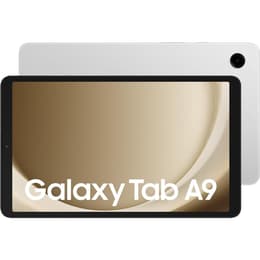
Galaxy Tab A9 (8.7", 2023)
Starting at

Refurbished price:153.00

Versus €255.86 new

See options
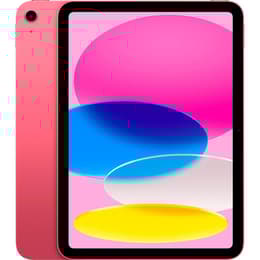
iPad 11 (2025, A16 series)
Starting at

Refurbished price:370.00

Versus €399.00 new

See options

Ratings

The Samsung Galaxy Tab A9, released in late 2023, and the Apple iPad (A16 Series), anticipated in 2025, represent distinct approaches to the tablet experience. While the Galaxy Tab A9 operates on Android, offering a compact and versatile platform, the iPad (A16 Series) runs on iPadOS, focusing on a more integrated ecosystem and robust performance. This comparison will explore their core differences to help users determine which device aligns best with their needs, considering both new and quality-assured refurbished options.

Scores

Durability

The longevity of a tablet is influenced by its release timeline, software support, and physical resilience. These two devices, separated by a couple of years in their release, offer different expectations for their usable lifespans.

  • Release Timeline and Software Support: The Galaxy Tab A9, launched in October 2023, typically receives several years of Android operating system updates and security patches from Samsung. While Samsung has extended software support for some of its flagship tablets, the A-series generally follows a shorter update cycle compared to Apple's offerings. The iPad (A16 Series), expected in 2025, benefits from Apple's reputation for providing extended iPadOS updates, often spanning five to seven years for major OS versions and even longer for security updates, potentially offering a longer period of current software functionality.
  • Repairability and Practical Lifespan: The Galaxy Tab A9 has a moderate repairability score of 4.0 out of 10, with some components like the battery being accessible but requiring careful handling due to adhesive use and delicate screen removal. User reports indicate the device can bend easily, suggesting a need for protective accessories. In contrast, iPads, including the anticipated 2025 model, generally receive lower repairability scores, often around 2 out of 10, primarily due to extensive use of adhesives and integrated components that make repairs challenging and potentially costly. The 10th generation iPad, a predecessor, also showed susceptibility to bending in durability tests. Therefore, while both devices are designed for daily use, the iPad typically offers a longer software lifespan, whereas physical durability and ease of repair present different considerations for each model.

Year of Release

2023

2025

Compatible with latest Update

Yes

Yes

OS

Android

iPadOS

Performance

Performance is a key differentiator, impacting how smoothly applications run, how quickly tasks are completed, and the overall responsiveness of the user experience.

  • Processor Capabilities and Responsiveness: The Galaxy Tab A9 is powered by an octa-core processor, which handles everyday tasks, web browsing, and light gaming competently. It provides a smooth experience for general use and multitasking with common applications. The iPad (A16 Series), however, features a more advanced processor, designed for demanding applications, complex multitasking, and graphically intensive games. This results in noticeably faster app loading times and a more fluid experience, especially when running multiple applications simultaneously or engaging in creative tasks.
  • Storage and Battery Behavior: The Galaxy Tab A9 offers storage options up to 128GB, with the added flexibility of expandable storage via a microSD card, which is beneficial for users with large media libraries. Its 5100 mAh battery provides sufficient power for typical daily usage. The iPad (A16 Series) starts with 128GB of internal storage and offers configurations up to 512GB, but without expandable storage. Its integrated battery is designed to deliver up to 10 hours of web browsing or video playback, indicating efficient power management within the iPadOS ecosystem. Users who prioritize extensive multitasking and high-performance applications will likely find the iPad's processing power more suitable, while those needing expandable storage for media might lean towards the Galaxy Tab A9.

Memory (GB)

4 GB

6 GB

Screen quality

The display is the primary interface for interaction, and differences in screen technology, resolution, and brightness can significantly affect the viewing experience.

  • Display Technology and Clarity: The Galaxy Tab A9 features an 8.7-inch LCD display with a resolution of 1340 x 800 pixels. This display provides clear visuals for general content consumption, such as reading and casual video watching. The iPad (A16 Series) comes with a larger 10.9-inch Liquid Retina IPS LCD display, offering a higher resolution of 2360 x 1640 pixels and a pixel density of 264 ppi. This results in sharper text and more detailed images, enhancing the clarity for both productivity and entertainment.
  • Brightness and Refresh Rate: The Galaxy Tab A9 has a standard 60Hz refresh rate, which is suitable for most everyday interactions. The iPad (A16 Series) also maintains a 60Hz refresh rate but offers a brighter display with 500 nits of brightness and True Tone technology, which adjusts the screen's color and intensity to match the ambient light. This higher brightness level improves visibility in well-lit environments and outdoors, while True Tone provides a more comfortable viewing experience by reducing eye strain. Users who value a larger, sharper, and brighter display for a wide range of activities will find the iPad's screen quality more advantageous.

Resolution

800 x 1340

2360 x 1640

Screen type

TFT LCD

Liquid Retina display

Pixel density

180ppp

264ppp

Audiovisual

While tablets are not typically primary photography devices, their cameras are useful for video calls, document scanning, and occasional photos, with audio quality impacting communication and media consumption.

  • Camera System Capabilities: The Galaxy Tab A9 includes an 8MP rear camera with autofocus and a 2MP front camera, capable of recording video at FHD (1920x1080) at 30fps. This setup is functional for basic photography, scanning documents, and video conferencing. The iPad (A16 Series) features a more capable camera system, with a 12MP rear camera that supports autofocus, 4K video recording at 60fps, and Smart HDR 4 for improved image quality. Its 12MP ultrawide front camera includes Center Stage, which automatically keeps subjects in frame during video calls, enhancing the communication experience.
  • Audio Quality and Media Consumption: The Galaxy Tab A9 offers stereo speakers, providing a decent audio experience for media playback. The iPad (A16 Series) also delivers a robust audio experience, with its speakers and microphone quality often praised for clear vocals during calls and an enjoyable media consumption experience without headphones. For users who frequently engage in video calls, require higher quality document scanning, or prioritize a more immersive media experience, the iPad's camera and audio features offer a more refined experience.

Miscellaneous

Beyond core specifications, practical elements like connectivity, physical design, and security features contribute to the overall user experience and device utility.

  • Connectivity and Ports: Both devices feature USB-C for charging and data transfer, aligning with modern connectivity standards. The Galaxy Tab A9 supports Wi-Fi 802.11 and Bluetooth 5.3. The iPad (A16 Series) steps up with Wi-Fi 6 and Bluetooth 5.3, along with optional 5G cellular connectivity and eSIM support, offering faster and more reliable wireless performance and greater flexibility for mobile data.
  • Physical Design and Security: The Galaxy Tab A9 is a compact device, weighing around 332g for the Wi-Fi model and measuring 211 x 124.7 x 8 mm, making it highly portable. The iPad (A16 Series) is slightly larger and heavier at 477g for the Wi-Fi model and dimensions of 248.6 x 179.5 x 7 mm, but still maintains a sleek profile. For security, the iPad (A16 Series) incorporates Touch ID via the top button for convenient and secure authentication. The choice between these devices often comes down to the preferred balance of portability, advanced connectivity, and integrated security features.

Weight

332 g

477 g

Width

21,1 cm

179.5 cm

Height

12,47 cm

248.6 cm

Depth

0,8 cm

7 cm

Screen size (in)

8.7

11

Network

Wi-Fi

Wi-Fi

Carrier compatibility

Without SIM Port

Without SIM Port

User sentiment often highlights the Galaxy Tab A9 as a practical and portable Android tablet, praised for its compact size and expandable storage, making it suitable for casual use, media consumption, and basic productivity tasks. Common criticisms sometimes point to its display resolution and camera capabilities being less advanced compared to higher-end tablets. Users generally appreciate its straightforward functionality within the Android ecosystem.

For the iPad (A16 Series), anticipated user feedback would likely commend its powerful performance, vibrant display, and the seamless integration within the Apple ecosystem, including its robust app selection and long-term software support. Potential concerns might revolve around its repairability and the absence of expandable storage, which are common points of discussion for Apple devices. The A16 chip's capabilities are expected to provide a smooth and responsive experience for a wide range of applications, from creative work to demanding games.

Users prioritizing a highly portable device for everyday tasks, with the flexibility of expandable storage and the Android operating system, may find the Galaxy Tab A9 well-suited to their needs. Conversely, users who require superior processing power for intensive applications, a higher-resolution display, longer software support, and prefer the iPadOS ecosystem will likely lean towards the iPad (A16 Series). Both devices offer distinct advantages, and considering a quality-assured refurbished option can provide an eco-friendly alternative for either model, allowing consumers to make an informed choice that aligns with their priorities and values.

See all articles

Our recent comparisons