
Compare models
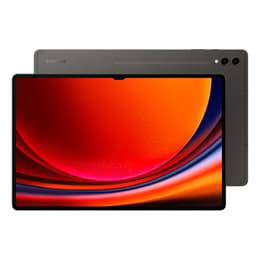
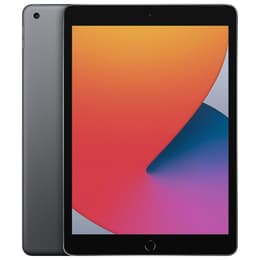
Galaxy Tab S9 (11.0", 2023) Vs iPad 8 (2020, A12 series)
- 1-year minimum warranty
- Free delivery on all orders
- Free 30-day returns
Differences at a glance
The Samsung Galaxy Tab S9 (11.0", 2023) and the Apple iPad 8 (2020) represent different generations and operating systems in the tablet market, catering to users with distinct software preferences and workflow needs. While the Galaxy Tab S9 runs on Android with an emphasis on multitasking flexibility and an included stylus, the iPad 8 utilizes Apple's iPadOS focused on a streamlined application ecosystem. These foundational differences in software experience, hardware age, and accessory support define how each device integrates into daily routines for studying, working, or entertainment.
Available Models
Colour
Storage
Scores
Durability
When examining hardware age, software support longevity, and physical durability, both tablets offer reliable long-term usability within different timelines and ecosystems.
- Release timeline and update support: The Galaxy Tab S9 (2023) benefits from a newer release date and a multi-year software commitment, providing extended security patches and system upgrades. The iPad 8 (2020) launched earlier, meaning its remaining window for major software updates is shorter, though it continues to receive stability patches.
- Build durability and repairability: Both devices feature sturdy aluminum frames designed to withstand daily transport, though the Galaxy Tab S9 introduces a higher water resistance rating. Users seeking a quality-assured refurbished option can find both models inspected and restored to optimal working order, providing a sustainable choice that extends the hardware lifecycle.
- Expected practical lifespan: The newer hardware architecture and extended software roadmap of the Galaxy Tab S9 position it for a longer active service life, whereas the iPad 8 remains well-suited for basic media consumption and light tasks over the coming years.
Year of Release
2023
2020
Compatible with latest Update
Yes
Yes
OS
Android
iPadOS
Performance
Performance capabilities vary significantly due to the three-year gap between their releases, impacting multitasking smoothness and application loading speeds.
- Processor capabilities and responsiveness: The Galaxy Tab S9 handles demanding apps, heavy multitasking, and graphic-intensive gaming smoothly thanks to its current-generation processor. The iPad 8 manages everyday tasks like web browsing and streaming reliably, though heavy applications or intensive background processing will push its older architecture closer to its limits.
- Storage configurations and memory: The Galaxy Tab S9 generally offers higher baseline storage options and expandable storage via microSD cards, accommodating large file collections. The iPad 8 relies on fixed internal storage tiers without expansion capabilities, requiring careful management of downloaded files and applications.
- Battery behavior in typical use: Both devices maintain enough battery capacity to endure a standard workday of mixed web browsing, document editing, and video playback, though intensive gaming or constant multitasking will drain the iPad 8 more quickly due to its smaller battery capacity relative to its generation.
Screen quality
Display technology differs notably between the two models, influencing outdoor visibility, color reproduction, and overall media viewing enjoyment.
- Display technology and visual clarity: The Galaxy Tab S9 features an AMOLED display that delivers deep blacks, high contrast, and vibrant colors for movies and creative work. The iPad 8 utilizes a traditional LCD screen with standard resolution, providing clear text and sharp images for everyday reading and productivity.
- Brightness and outdoor usability: The higher peak brightness of the Galaxy Tab S9 screen makes it easier to read and work under direct sunlight or in brightly lit environments. The iPad 8 screen performs adequately indoors, though heavy outdoor glare requires seeking shade for comfortable viewing.
- Refresh rate and smoothness: The Galaxy Tab S9 supports a high refresh rate, resulting in fluid scrolling through web pages and responsive handwriting tracking with the included stylus. The iPad 8 operates at a standard refresh rate, which satisfies general navigation needs but lacks the motion smoothness of higher-tier panels.
Resolution
1600 x 2560
2160 x 1620
Screen type
Dynamic AMOLED 2X
Retina display
Pixel density
280ppp
264ppp
Audiovisual
Audio-visual capabilities encompass the front and rear cameras, microphone clarity for virtual communication, and internal speaker output for media consumption.
- Camera systems and photography: The Galaxy Tab S9 is equipped with a versatile rear camera and an ultra-wide front camera positioned for landscape video calls, capturing crisp detail in well-lit conditions. The iPad 8 features a single basic rear camera and a standard definition front camera suitable for casual snapshots and video communication.
- Low-light and video performance: Neither device focuses heavily on advanced low-light photography, but the Galaxy Tab S9 handles dim lighting more effectively through updated image sensors. Video recording on both tablets meets the needs for casual home videos or virtual meetings, with stable frame rates.
- Audio output and speakers: The Galaxy Tab S9 incorporates a multi-speaker setup tuned for immersive stereo sound during movie playback. The iPad 8 features stereo speakers located at the bottom edge, which provide clear voice audio for podcasts and video calls but offer a more modest soundstage.
Miscellaneous
Practical physical design elements, connectivity options, and biometric security features shape the everyday handling and versatility of each tablet.
- Connectivity and ports: Both models are available in Wi-Fi-only versions as well as cellular-supported configurations. The Galaxy Tab S9 utilizes a modern USB-C port for fast data transfer and charging, while the iPad 8 relies on Apple's proprietary Lightning connector.
- Biometric security and sensors: The Galaxy Tab S9 integrates an in-display fingerprint scanner alongside facial recognition for quick unlocking. The iPad 8 retains a physical home button housing a traditional fingerprint sensor below the screen.
- Design and handling: The Galaxy Tab S9 offers a slim profile with a bundled stylus included in the box, adding value for note-takers. The iPad 8 maintains a classic tablet chassis design with traditional bezels, compatible with standard generation keyboards and input accessories.
Weight
129 g
490 g
Screen size (in)
11.0
10.2
Network
Wi-Fi + 5G
Wi-Fi
Carrier compatibility
Unlocked
Without SIM Port
What the community thinks
Users evaluating these two tablets will find that each device serves distinct daily workflows and user priorities. Community discussions on platforms like Reddit frequently highlight the Galaxy Tab S9 for its fluid display, included stylus, and robust multitasking capabilities, though some users note its larger footprint is less pocketable. Conversely, the iPad 8 receives praise for its straightforward interface, dependable app ecosystem, and ease of use, with occasional remarks directed at its older processor and limited base storage configuration.
Users prioritizing high refresh rate visuals, advanced note-taking tools with a bundled stylus, and future-ready processing power may prefer the Galaxy Tab S9. On the other hand, users seeking a familiar operating system for standard web browsing, media streaming, and educational tasks will find the iPad 8 well-suited to their needs. Reviewing quality-assured refurbished options for both models allows consumers to make an informed, sustainable choice that matches their specific device requirements without unnecessary complexity.