Apple Watch

Compare models
Differences at a glance
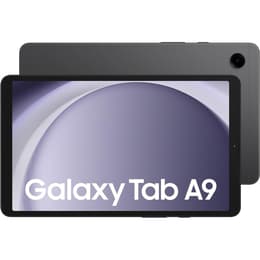
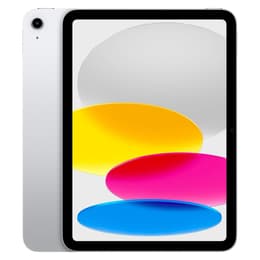
The Samsung Galaxy Tab A9 (2023) and the Apple iPad (10th generation, 2022) are two distinct tablets designed for different user ecosystems. While the Galaxy Tab A9 operates on Android with Samsung's One UI, the iPad runs on Apple's iPadOS. These devices offer varying approaches to performance, display technology, and overall user experience, catering to a range of preferences for everyday tablet use. The Galaxy Tab A9, released in October 2023, is a more compact device, while the iPad (10th generation), launched in October 2022, offers a larger display and a different software experience.
Colour
Storage (GB)
The longevity of a tablet is influenced by its release timeline, software support, and physical durability. These two devices, while from different ecosystems, offer varying expectations in these areas.
Year of Release
Compatible with latest Update
OS
Performance is a key differentiator, impacting how smoothly applications run and how effectively users can multitask. The underlying hardware and software optimization play significant roles.
The visual experience on a tablet is largely defined by its display, and these two models present different screen technologies and characteristics.
Resolution
Screen type
Pixel density
While tablets are not typically primary photography devices, their cameras are important for video calls, document scanning, and casual photography.
Beyond core performance and display, several practical elements contribute to the overall user experience and device utility.
Weight
Width
Height
Depth
Screen size (in)
Network
Carrier compatibility
The Samsung Galaxy Tab A9 and the Apple iPad (10th generation) cater to different user needs and preferences, reflecting their distinct operating systems and hardware philosophies.
Users often praise the iPad (10th generation) for its modernized design, vibrant display, and robust performance for everyday tasks and even some demanding applications. The improved camera placement for video calls and the transition to USB-C are frequently highlighted as positive changes. Some users, particularly students, find it well-suited for note-taking and media consumption, appreciating its smooth operation. However, common criticisms include the display not being fully laminated and the charging method for the first-generation Apple Pencil requiring an adapter.
The Galaxy Tab A9 is generally well-regarded for its compact size, solid build quality with a metal back, and the inclusion of a headphone jack and expandable storage via microSD. Users find it a capable device for media consumption and casual use, with decent battery life for its category. Points of concern sometimes include the lower screen resolution and pixel density, and the cameras being basic.
Users prioritizing a larger, more powerful tablet with a premium software experience and a strong ecosystem for creative and productivity tasks may find the iPad (10th generation) well-suited to their needs. Its performance headroom ensures it remains responsive for a longer period. Conversely, users seeking a more compact, portable device primarily for media consumption, web browsing, and light tasks, who also value expandable storage and a headphone jack, might lean toward the Galaxy Tab A9. Both devices offer reliable performance for their intended use cases, and considering a quality-assured refurbished option for either can be an eco-friendly alternative to purchasing new.