Samsung Tab

Compare models
Differences at a glance
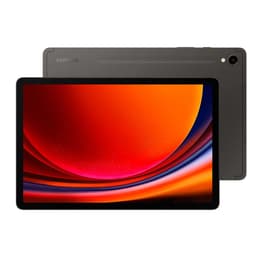
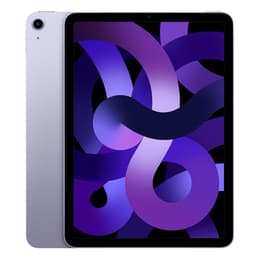
The Samsung Galaxy Tab S9, released in 2023, and the Apple iPad Air (M1 Series), released in 2022, are both premium tablets designed for productivity and entertainment. While the Tab S9 runs on Android with Samsung's One UI, the iPad Air operates on Apple's iPadOS. A key distinction lies in their display technologies and included accessories, offering users different experiences right out of the box. Both devices aim to provide a versatile tablet experience, but cater to slightly different user preferences through their respective ecosystems and hardware choices.
Colour
Storage
When considering the long-term usability of these tablets, several factors come into play, primarily their release timelines and software support.
Year of Release
Compatible with latest Update
OS
Both the Galaxy Tab S9 and the iPad Air are equipped with powerful internal components designed to handle demanding tasks, though they approach performance from different architectural standpoints.
The visual experience is a significant aspect of any tablet, and these two devices offer distinct display technologies that cater to different preferences.
Resolution
Screen type
Pixel density
While tablets are not typically primary photography devices, their cameras are useful for video calls, document scanning, and casual photography.
Beyond the core specifications, several practical elements contribute to the overall user experience and differentiate these two tablets.
Weight
Screen size (in)
Network
Carrier compatibility
User feedback often highlights the distinct strengths of each tablet, guiding potential buyers toward the device that best fits their workflow and preferences. The Galaxy Tab S9 is frequently praised for its vibrant AMOLED display with a high refresh rate, the inclusion of the S Pen, and its robust Android ecosystem with extensive customization options. Users appreciate its multimedia capabilities and the flexibility offered by expandable storage. Some common criticisms, however, sometimes point to the Android tablet app ecosystem not always being as optimized as iPadOS for certain professional applications, and some users have reported minor software glitches or S Pen accuracy issues in specific areas of the screen.
Conversely, the iPad Air (M1 Series) receives consistent acclaim for its powerful desktop-class performance, which makes it a strong contender for demanding creative tasks like video editing and graphic design. Its seamless integration with Apple's ecosystem and the mature iPadOS app library are also frequently cited as major advantages. Occasional user concerns might include the standard 60Hz refresh rate, the lack of expandable storage, and the additional cost of essential accessories like the Apple Pencil.
Users prioritizing a superior display for media consumption, an included stylus for note-taking and drawing, and the flexibility of the Android operating system with expandable storage may find the Galaxy Tab S9 well-suited to their needs. Conversely, individuals seeking raw processing power for professional applications, a highly optimized app ecosystem, and deep integration within the Apple environment may lean toward the iPad Air. Both tablets represent excellent choices in their respective categories, and considering a quality-assured refurbished option for either device can be an eco-friendly alternative for those looking to make a sustainable choice.