

Compare models

Galaxy S25+ Vs iPhone Air

  • 1-year minimum warranty
  • Free delivery on all orders
  • Free 30-day returns
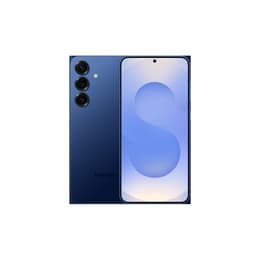
Galaxy S25+
Starting at

Refurbished price:€534.00

Versus €1,156.53 new

See options
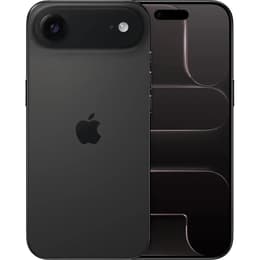
iPhone Air
Starting at

Refurbished price:€719.00

Versus €1,339.00 new

See options

Differences at a glance

The Samsung Galaxy S25+ (2025) and the Apple iPhone Air (2025) represent contemporary approaches to flagship smartphone engineering, balancing large screen sizes with distinct hardware philosophies. While the Galaxy S25+ focuses on a versatile multi-camera array and traditional form-factor refinements, the iPhone Air prioritizes an ultra-slim profile and lightweight construction. Operating on Android and iOS respectively, both devices deliver distinct software ecosystems alongside long-term support timelines.

Available Models

Colour

Storage

Scores

Durability

When evaluating hardware longevity and software sustainability, both devices are built to remain functional and secure for many years of daily use.

  • Software Support: The Galaxy S25+ features up to 7 major operating system updates, while the iPhone Air benefits from Apple's long-standing tradition of multi-year iOS updates and security patches.
  • Build Durability: Both models include high-grade water and dust resistance ratings (IP68), though they utilize different frame materials and glass protections tailored to their respective structural designs.
  • Expected Lifespan: Robust internal memory configurations and efficient component integration ensure both smartphones handle future software requirements comfortably over an extended ownership cycle.

Year of Release

2025

2025

OS

Android

iOS

Foldable

No

No

Performance

Underneath their exteriors, both smartphones handle demanding daily workflows, multitasking, and resource-heavy applications with high efficiency.

  • System Responsiveness: App switching, web browsing, and mobile gaming run smoothly and without noticeable stutter on both devices thanks to advanced internal processing hardware.
  • Multitasking Capacity: Generous RAM allocations allow background tasks, streaming apps, and productivity software to remain active simultaneously without forcing frequent reloads.
  • Battery Behavior: Both models provide sufficient battery capacity for full-day usage under typical conditions, though heavy multimedia consumption or navigation may require a top-up before the end of the day.

Screen quality

Display technology is a primary highlight for both models, offering expansive viewing areas suited for media consumption and text readability.

  • Display Technology: Both devices employ advanced OLED panels that deliver deep contrast levels, vibrant color reproduction, and high pixel density for crisp text.
  • Outdoor Visibility: High peak brightness capabilities ensure that screens remain legible and clear even under direct sunlight.
  • Refresh Rate: Adaptive refresh rates scaling up to 120Hz provide fluid scrolling through menus, web pages, and supported interactive applications.

Resolution

1440x3120

2736x1260

Audiovisual

Imaging hardware differs significantly between the two models, reflecting alternative design choices regarding lens configurations and optical versatility.

  • Rear Camera System: The Galaxy S25+ provides a triple-lens setup including a main wide sensor, an ultra-wide lens, and a dedicated telephoto lens for optical zoom, whereas the iPhone Air utilizes a single high-resolution main fusion camera system that achieves multi-focal results digitally.
  • Video Recording: Both phones capture stable, high-definition video with advanced stabilization features and wide dynamic range for everyday recording.
  • Audio and Media: Built-in speaker setups deliver clear sound for hands-free calls and casual video playback, supplemented by sensitive microphone arrays for voice capture.

Miscellaneous

Practical day-to-day interactions are shaped by connectivity standards, physical dimensions, and ergonomic choices.

  • Connectivity: Both models support modern 5G networks, fast Wi-Fi standards, and Bluetooth for reliable accessory pairing and data transfer.
  • Physical Handling: The Galaxy S25+ offers a standard flagship heft and thickness, whereas the iPhone Air stands out with an exceptionally thin and lightweight profile that alters pocketability.
  • Biometrics and Ports: Both devices utilize secure biometric authentication methods (in-screen fingerprint or facial recognition) alongside standard USB-C connectivity for charging and data connection.

Weight

190 g

165 g

Screen size (in)

6.7

6.5

Network

5G

5G

SIM card

Physical SIM + eSIM

eSIM

Carrier compatibility

Unlocked

Unlocked

What the community thinks

User discussions across tech communities highlight distinct preferences for each device based on physical design and everyday utility. The Galaxy S25+ receives praise for its traditional ergonomics, versatile triple-lens camera setup, and long-term Android support window. Conversely, the iPhone Air draws strong interest for its remarkably thin chassis, lightweight feel in the hand, and smooth iOS ecosystem integration, though some users note compromises regarding speaker configuration and single-lens versatility.

Users prioritizing optical zoom versatility and a conventional heavier-built flagship will find the Galaxy S25+ well-suited to their needs. Meanwhile, users prioritizing maximum portability, a featherlight profile, and the iOS environment may lean toward the iPhone Air. For those exploring sustainable purchasing routes, opting for a quality-assured refurbished option provides an eco-friendly alternative to brand-new hardware without compromising core functionality. Ultimately, the choice depends on whether physical slimness or camera flexibility holds higher priority in daily use.