


Compare models
Galaxy A56 Vs Google Pixel 9a
- 1-year minimum warranty
- Free delivery on all orders
- Free 30-day returns
Differences at a glance
The Samsung Galaxy A56 and the Google Pixel 9a represent modern options in the mid-range smartphone category, both launching in early 2025. While both devices deliver well-rounded capabilities for daily communication and media, they differ significantly in their approach to software ecosystems, display sizes, and physical design features. Operating on distinct versions of the Android platform, each smartphone targets users looking for reliable everyday functionality packaged differently.
Available Models
Colour
Storage (GB)
Scores
Durability
Both smartphones provide extended longevity through multi-year support windows, though they approach hardware resilience and update timelines through different manufacturing standards.
- Software Support: The Google Pixel 9a benefits from Google's commitment to seven years of operating system and security updates, whereas the Samsung Galaxy A56 offers a six-year update schedule.
- Build Resilience: The Pixel 9a features an IP68 dust and water resistance rating, while the Galaxy A56 utilizes an IP67 rating, offering comparable everyday protection against environmental exposure.
- Expected Lifespan: Both models provide sufficient long-term software backing to remain functional and secure for years of regular daily use.
Year of Release
2025
2025
Compatible with latest Update
Yes
Yes
OS
Android
Android
Foldable
No
No
Performance
Underneath the surface, these devices utilize different internal configurations to manage multitasking, application loading, and overall system fluidity during daily use.
- Multitasking and Memory: Both devices come equipped with 8GB of RAM, handling routine background tasks, web browsing, and app switching with steady responsiveness.
- Processor Capability: The custom processors in both models manage everyday applications smoothly, though graphics-heavy mobile games run with varying thermal efficiencies depending on the workload.
- Battery Behavior: Both phones house large battery capacities exceeding 5,000 mAh, comfortably supporting a full day of standard use before requiring a recharge.
Screen quality
Viewing experiences differ notably due to variations in display dimensions, panel technologies, and physical footprint sizes.
- Display Technology: Both models use vibrant OLED panels featuring a smooth 120Hz refresh rate for fluid scrolling and responsive touch interaction.
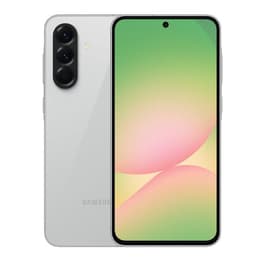
- Size and Format: The Galaxy A56 features a larger 6.7-inch screen, while the Pixel 9a opts for a more compact 6.3-inch display that improves single-handed reachability.
- Outdoor Visibility: Both displays offer high peak brightness levels, ensuring readability under direct sunlight during outdoor navigation or messaging.
Resolution
1080x2340
2424 x 1080
Audiovisual
Photography and media recording capabilities vary based on the specific hardware configurations and image processing software integrated into each device.
- Camera Systems: The Galaxy A56 utilizes a triple-lens rear setup including an ultra-wide sensor, while the Pixel 9a employs a dual-lens rear system focused on computational photography.
- Everyday and Low-Light Imaging: Both phones capture detailed daylight photos and utilize automated processing modes to maintain clarity in dim indoor environments.
- Video and Audio: Video recording remains stable across both models with built-in stabilization, accompanied by clear internal microphones for calls and media playback through stereo speakers.
Miscellaneous
Physical handling and connectivity features shape the daily ergonomic experience of carrying and using each smartphone.
- Dimensions and Weight: The Galaxy A56 measures slightly larger and heavier due to its expansive screen, whereas the Pixel 9a provides a more compact, pocket-friendly form factor.
- Connectivity: Both models support modern 5G networks, Wi-Fi standards, and Bluetooth for reliable accessory pairing and fast mobile data access.
- Authentication: Each device incorporates secure biometric authentication methods, utilizing fast facial recognition and fingerprint sensors integrated into the hardware.
Weight
198 g
186 g
Screen size (in)
6.7
6.3
Network
5G
5G
SIM card
Dual Physical SIM + eSIM
Physical SIM + eSIM
Carrier compatibility
Unlocked
Unlocked
Connector
USB-C
USB-C
What the community thinks
Users evaluating these two smartphones often note that the choice comes down to preferred screen dimensions and software ecosystem habits. Community discussions frequently praise the Pixel 9a for its compact ergonomics, clean interface layout, and long update window, though some users mention that its physical design feels less traditional. Conversely, the Galaxy A56 receives consistent appreciation for its larger display workspace and robust multi-year software commitment, while occasional feedback points to its wider physical footprint.
Users prioritizing a more compact physical build and extended software support may prefer the Google Pixel 9a, while users prioritizing a larger screen workspace for media consumption may lean toward the Samsung Galaxy A56. For buyers seeking a sustainable choice, a quality-assured refurbished option provides an eco-friendly alternative to purchasing newly manufactured hardware without compromising on daily functionality.