

Galaxy S25+ Vs iPhone 16e

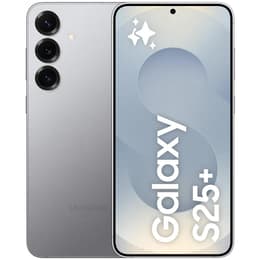
Galaxy S25+
Galaxy S25+
Starting at

Refurbished price:609.00

Versus €1,156.53 new

See options
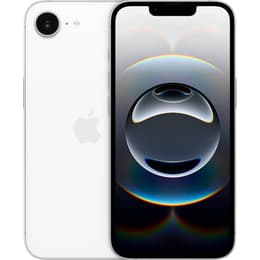
iPhone 16e
iPhone 16e
Starting at

Refurbished price:384.00

Versus €719.00 new

See options

Ratings

The Samsung Galaxy S25 Plus and the iPhone 16E represent distinct approaches to modern smartphone design and functionality, released in early 2025. While the Galaxy S25 Plus operates on the Android ecosystem, offering extensive customization, the iPhone 16E runs on Apple's iOS, known for its streamlined user experience. Key differentiators lie in their display technology, camera systems, and overall software philosophies.

Scores

Durability

When considering the long-term usability of these devices, their respective release timelines and software support policies are important factors.

  • Release and Support: The Samsung Galaxy S25 Plus was released in February 2025 and comes with a commitment of seven years of operating system and security updates, extending its software longevity significantly into the future. The iPhone 16E, released slightly later in February 2025, typically receives software updates for approximately four to five years from its launch.
  • Physical Durability: Both devices offer robust build quality. The Galaxy S25 Plus features Gorilla Glass Victus 2 on both its front and back panels, complemented by an aluminum frame and an IP68 rating for dust and water resistance. The iPhone 16E also boasts an IP68 rating and incorporates Ceramic Shield on its front display for enhanced drop protection, alongside an aluminum frame and a glass back.
  • Practical Lifespan: Users can expect both phones to maintain practical functionality for several years. The Galaxy S25 Plus's extended software support suggests a longer period of receiving the latest features and security patches, potentially making it a suitable choice for users who prefer to keep their devices for an extended duration. The iPhone 16E, while having a shorter official support window, benefits from Apple's consistent performance optimization for older hardware.

Year of Release

2025

2025

OS

Android

iOS

Foldable

No

No

Performance

Both the Galaxy S25 Plus and the iPhone 16E are equipped with powerful internal components designed to handle demanding tasks and ensure smooth operation.

  • Processing Power: The Galaxy S25 Plus is powered by a current-generation processor, enabling it to manage intensive applications and multitasking with efficiency. Users report a consistently smooth experience, even during prolonged gaming sessions or when running multiple apps simultaneously. The iPhone 16E features Apple's A18 chip, which provides strong performance for everyday use, social media, streaming, and mobile gaming, described by users as being very responsive.
  • Multitasking and Storage: The Galaxy S25 Plus typically comes with 12GB of RAM, contributing to its ability to switch between numerous applications without noticeable slowdowns. It offers storage options of 256GB and 512GB. The iPhone 16E includes 8GB of RAM, which, combined with iOS optimization, allows for effective multitasking. Storage configurations for the iPhone 16E are 128GB, 256GB, and 512GB.
  • Battery Performance: The Galaxy S25 Plus houses a 4900 mAh battery, with users frequently reporting that it can last for 1.5 to 2 days with moderate use, and comfortably through a full day with heavy usage. It supports 45W fast charging. The iPhone 16E, with its 4005 mAh battery, is noted for its excellent battery longevity, often providing up to two days of use for heavy users, and up to 26 hours of video playback.

Memory (GB)

12 GB

8 GB

Screen quality

The visual experience on both devices is a key aspect, with each offering distinct display characteristics.

  • Display Technology and Resolution: The Samsung Galaxy S25 Plus features a 6.7-inch Dynamic AMOLED 2X display with a resolution of 3120 x 1440 pixels, providing sharp and detailed visuals. The iPhone 16E comes with a 6.1-inch Super Retina XDR OLED display, offering a resolution of 2532 x 1170 pixels.
  • Brightness and Refresh Rate: The Galaxy S25 Plus's display can reach a peak brightness of up to 2600 nits, ensuring good visibility even in bright outdoor conditions. It also features an adaptive 120Hz refresh rate, which contributes to smoother scrolling and more fluid animations. In contrast, the iPhone 16E has a typical brightness of 800 nits and a peak HDR brightness of 1200 nits. Its display operates at a standard 60Hz refresh rate.
  • Viewing Experience: The larger, higher-resolution, and higher refresh rate display of the Galaxy S25 Plus offers an immersive viewing experience, particularly for media consumption and gaming. The iPhone 16E's OLED display provides deep blacks and vibrant colors, though its 60Hz refresh rate means animations and scrolling will appear less fluid compared to the Galaxy S25 Plus. The iPhone 16E also retains a notch at the top of its display, unlike the punch-hole design often found on Android devices.

Resolution

1440x3120

2532x1170

Audiovisual

Both smartphones offer capable camera systems, designed to capture a variety of moments with different strengths.

  • Rear Camera System: The Samsung Galaxy S25 Plus is equipped with a versatile triple-camera setup on the rear, including a 50MP main sensor, a 12MP ultrawide lens, and a 10MP telephoto lens capable of 3x optical zoom and up to 30x digital zoom. The iPhone 16E features a single 48MP Fusion main camera on the back, which can also achieve a 2x telephoto effect by cropping the sensor.
  • Photography Performance: Users of the Galaxy S25 Plus generally find its camera system produces good photos for social media, though some note occasional inconsistencies in low-light or indoor conditions, with a tendency towards more realistic color processing. The iPhone 16E's camera is praised for its decent quality for everyday photography and social media, with users finding it sufficient for non-professional use.
  • Video and Audio: The Galaxy S25 Plus supports video recording up to 8K resolution at 30 frames per second. The iPhone 16E can record 4K video at up to 60 frames per second. Both devices offer good microphone quality for calls and recording, and provide stereo speaker output for media consumption.

Miscellaneous

Beyond core specifications, several practical features and design elements contribute to the overall user experience of these devices.

  • Connectivity and Ports: Both the Galaxy S25 Plus and the iPhone 16E support 5G connectivity and Wi-Fi 6 for fast wireless internet. The Galaxy S25 Plus utilizes a USB-C port for charging and data transfer. The iPhone 16E also features a USB-C port, marking a transition from previous Apple proprietary connectors, though its data transfer speeds are limited to USB 2.0.
  • Biometric Security and Unique Features: The Galaxy S25 Plus incorporates an ultrasonic in-screen fingerprint sensor for secure unlocking. The iPhone 16E relies on Face ID for biometric authentication and includes an Action Button, which can be customized for quick access to various functions. The iPhone 16E also offers Emergency SOS and Find My via satellite capabilities.
  • Design and Handling: The Galaxy S25 Plus measures 158.4 x 75.8 x 7.3 mm and weighs 190g, offering a substantial feel in hand. The iPhone 16E is slightly more compact and lighter at 146.7 × 71.5 × 7.8 mm and 167g, which some users find more comfortable for one-handed use. Both devices feature aluminum frames and glass backs, contributing to a premium feel.

Weight

190 g

167 g

Screen size (in)

6.7

6.1

Network

5G

5G

SIM card

Physical SIM + eSIM

eSIM

Carrier compatibility

Unlocked

Unlocked

The Samsung Galaxy S25 Plus and the iPhone 16E cater to users with differing priorities, each excelling in specific areas based on user feedback.

The Galaxy S25 Plus is frequently praised for its vibrant and high-resolution display, offering a smooth 120Hz refresh rate that enhances the visual experience for media and gaming. Users appreciate its robust battery life, often extending beyond a single day of heavy use, and its commitment to seven years of software updates provides significant long-term value. The performance is consistently described as smooth and capable of handling demanding applications. However, some users have noted that the camera's consistency in low-light conditions can be variable, and the integration of AI features has been perceived as somewhat forced by a minority of users.

Conversely, the iPhone 16E receives strong commendation for its exceptional battery life, often cited as one of its most compelling features, allowing many users to go 1.5 to 2 days on a single charge. Its compact size and lightweight design are also frequently highlighted as advantages for comfortable handling. The camera is generally considered good for everyday photography and social media, and the overall performance is deemed very responsive for typical smartphone tasks. Criticisms often revolve around its 60Hz display, which some find less fluid than higher refresh rate alternatives, and the retention of the notch design rather than the Dynamic Island. The absence of MagSafe charging is also a point of contention for some users.

Users prioritizing a large, high-refresh-rate display, extensive customization options, and long-term software support may find the Samsung Galaxy S25 Plus well-suited to their needs. Those who value exceptional battery life, a more compact form factor, and the streamlined iOS experience, along with a reliable camera for general use, might lean towards the iPhone 16E. Both devices offer a quality-assured refurbished option, providing an eco-friendly alternative for consumers.


See all articles

Our recent comparisons