

Galaxy S23 Ultra Vs Xiaomi 13T Pro

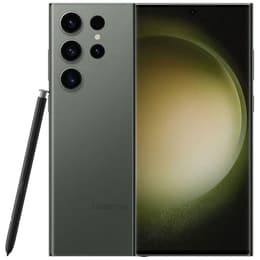
Galaxy S23 Ultra
Galaxy S23 Ultra
Starting at

Refurbished price:430.00

Versus €1,599.00 new

See options
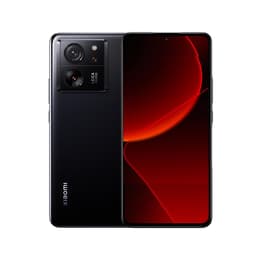
Xiaomi 13T Pro
Xiaomi 13T Pro
Starting at

Refurbished price:245.00

Versus €900.00 new

See options

Ratings

The Samsung Galaxy S23 Ultra, released in February 2023, and the Xiaomi 13T Pro, launched in September 2023, are both high-performance Android smartphones designed to cater to demanding users. While both devices offer robust capabilities, they present distinct approaches to camera systems, display characteristics, and overall user experience. Both operate on the Android platform, providing access to a vast ecosystem of applications and services.

Scores

Durability

When considering the long-term usability of these devices, their release timelines and software support policies are key factors.

  • Software Longevity: The Samsung Galaxy S23 Ultra is expected to receive approximately four to five years of Android operating system updates and five years of security patches from its release. The Xiaomi 13T Pro, being a newer device, is confirmed to receive four generations of Android OS upgrades and five years of security patches, extending its software support until around 2028.
  • Physical Durability: Both smartphones feature an IP68 rating for dust and water resistance, indicating a high level of protection against environmental elements. The Galaxy S23 Ultra utilizes Gorilla Glass Victus 2 for enhanced screen and back panel protection, while the Xiaomi 13T Pro uses Corning Gorilla Glass 5.
  • Expected Practical Lifespan: Users can anticipate a practical lifespan of several years for both devices, supported by their robust build quality and extended software update commitments. The choice between them in terms of longevity might depend on whether a user prioritizes the slightly longer OS update window of the S23 Ultra or the newer release date of the 13T Pro.

Year of Release

2023

2023

OS

Android

Android

Foldable

No

No

Performance

Both the Galaxy S23 Ultra and the Xiaomi 13T Pro are equipped with powerful internal components designed for smooth and responsive operation across various tasks.

  • Processing Power: The Galaxy S23 Ultra features a customized processor that delivers high speeds for demanding applications and multitasking. This allows for fluid navigation and efficient handling of complex workloads. The Xiaomi 13T Pro is powered by a high-performance processor that also provides a very capable experience for intensive tasks, including gaming, with users reporting smooth performance.
  • Multitasking and Storage: Both devices offer ample RAM configurations, ensuring efficient multitasking and quick app switching. They also come with fast internal storage options, utilizing UFS 4.0 technology, which contributes to rapid app loading and data transfer speeds.
  • Battery Behavior: The Galaxy S23 Ultra is known for its excellent battery endurance, often lasting through a full day of heavy use and sometimes extending to two days for moderate users, thanks to its 5000 mAh battery and efficient power management. The Xiaomi 13T Pro also houses a 5000 mAh battery, providing reliable power for a full day of typical usage. A notable difference is the Xiaomi 13T Pro's 120W wired fast charging capability, allowing for a very rapid recharge.

Memory (GB)

8 GB

16 GB

Screen quality

The visual experience on both smartphones is delivered through high-quality displays, though with some distinctions in their specifications.

  • Display Technology and Clarity: The Samsung Galaxy S23 Ultra features a 6.8-inch Dynamic AMOLED 2X display with a Quad HD+ resolution (3088 x 1440 pixels), offering exceptional sharpness and detail. The Xiaomi 13T Pro comes with a 6.67-inch AMOLED display with a 1.5K resolution (2712 x 1220 pixels), providing a clear and vibrant viewing experience.
  • Brightness and Outdoor Visibility: The Galaxy S23 Ultra's display can reach a peak brightness of 1750 nits, ensuring good visibility even in bright outdoor conditions. The Xiaomi 13T Pro boasts an even higher peak brightness of 2600 nits, which can be beneficial for extreme outdoor use or HDR content viewing.
  • Refresh Rate and Smoothness: The S23 Ultra offers an adaptive refresh rate ranging from 1Hz to 120Hz, optimizing power consumption while providing smooth scrolling and responsiveness. The Xiaomi 13T Pro features a 144Hz refresh rate, which can result in a slightly smoother visual experience, particularly in supported games and animations.

Resolution

1440 x 3088

1220 x 2712

Audiovisual

Both devices offer advanced camera systems, each with its own strengths and unique features for capturing photos and videos.

  • Main Camera Capabilities: The Samsung Galaxy S23 Ultra is equipped with a 200-megapixel main sensor, which uses pixel binning technology to produce detailed 12-megapixel or 50-megapixel images, excelling in various lighting conditions, including low light. The Xiaomi 13T Pro features a 50-megapixel main camera, co-engineered with Leica, which focuses on delivering specific photographic styles and strong low-light performance.
  • Zoom and Versatility: The S23 Ultra stands out with its dual telephoto lenses, offering 3x and 10x optical zoom capabilities, alongside a 12-megapixel ultrawide lens, providing extensive versatility for capturing subjects at various distances. The Xiaomi 13T Pro includes a 50-megapixel telephoto lens with 2x optical zoom and a 12-megapixel ultrawide camera.
  • Video Recording and Front Camera: Both phones support 8K video recording, with the S23 Ultra capable of 8K at 30 frames per second and the 13T Pro at 24 frames per second. For selfies and video calls, the S23 Ultra has a 12-megapixel front camera, while the 13T Pro features a 20-megapixel front camera.

Miscellaneous

Beyond core performance and display, several other features contribute to the overall user experience and practical utility of these smartphones.

  • Connectivity and Ports: Both the Galaxy S23 Ultra and the Xiaomi 13T Pro support 5G connectivity for fast mobile data. The S23 Ultra includes Wi-Fi 6E and Bluetooth 5.3, while the 13T Pro offers Wi-Fi 7 and Bluetooth 5.4, providing slightly newer wireless standards. Both devices utilize a USB-C port for charging and data transfer.
  • Biometrics and Sensors: For secure unlocking, the S23 Ultra employs an ultrasonic in-screen fingerprint sensor and 2D face unlock. The Xiaomi 13T Pro uses an optical under-display fingerprint sensor and face recognition.
  • Design and Handling: The Galaxy S23 Ultra has a larger form factor, weighing 234 grams, and features a distinct, angular design with a built-in S Pen stylus. The Xiaomi 13T Pro is slightly lighter, ranging from 200g to 206g depending on the back panel material (glass or vegan leather), and has a more conventional smartphone design.

Weight

234 g

206 g

Screen size (in)

6.8

6.67

Network

5G

5G

SIM card

Dual Physical SIM + eSIM

Physical SIM + eSIM

Carrier compatibility

Unlocked

Unlocked

Connector

USB-C

USB-C

User feedback for the Samsung Galaxy S23 Ultra frequently praises its exceptional camera system, particularly its versatile zoom capabilities and strong low-light performance. Many users also highlight its impressive battery life, often extending beyond a single day of heavy use, and the utility of the integrated S Pen for productivity and creative tasks. Some common criticisms occasionally point to its large size, which might be challenging for one-handed use, and its weight.

The Xiaomi 13T Pro receives positive remarks for its vibrant and bright display, its rapid 120W fast charging that significantly reduces downtime, and the unique photographic styles offered by its Leica-tuned cameras. Users also appreciate its strong overall performance for daily tasks and gaming. Some concerns noted by users include the absence of wireless charging and the potential for the software interface to feel busy to some.

Users prioritizing a highly versatile camera with extensive zoom, a premium stylus experience, and class-leading battery endurance may find the Samsung Galaxy S23 Ultra well-suited to their needs. Its robust software support also contributes to a longer expected lifespan. Conversely, individuals who value extremely fast charging, a very bright display, and a distinct photographic aesthetic from a Leica-partnered camera system might lean towards the Xiaomi 13T Pro. Both devices represent strong choices in the high-end smartphone market, and considering a quality-assured refurbished option for either model can be a sustainable choice for consumers.


See all articles

Our recent comparisons