
iPhone

Compare models
Differences at a glance
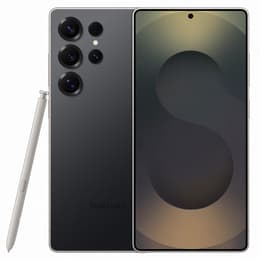
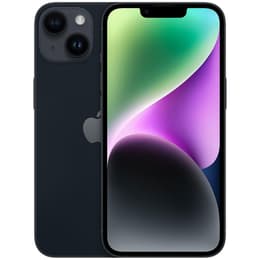
The Samsung Galaxy S25 Ultra, a flagship Android smartphone released in early 2025, and the Apple iPhone 14, an iOS device launched in late 2022, represent distinct approaches to mobile technology. While both offer premium smartphone experiences, they differ significantly in their operating systems, camera capabilities, and display technologies. This comparison aims to highlight the practical distinctions between these two devices, helping users understand which might better suit their daily needs.
Colour
Storage
When considering the long-term usability of a smartphone, factors like release timeline, software support, and physical durability are key. The Galaxy S25 Ultra, being a more recent release, naturally benefits from a longer expected support window compared to the iPhone 14.
Year of Release
Compatible with latest Update
OS
Foldable
Performance is a critical aspect for any smartphone, influencing everything from app responsiveness to gaming experiences. The significant difference in release dates between these two models translates directly into their processing capabilities.
The display is the primary interface for smartphone interaction, and both devices offer high-quality viewing experiences, though with notable differences in technology and specifications.
Resolution
Both the Galaxy S25 Ultra and the iPhone 14 are capable photographic tools, but they approach imaging with different hardware configurations and feature sets.
Front camera
Beyond core performance and display, several practical elements contribute to the overall user experience and differentiate these two smartphones.
Weight
Screen size (in)
Network
SIM card
Carrier compatibility
Connector
The choice between the Samsung Galaxy S25 Ultra and the iPhone 14 largely depends on individual priorities and preferences, given their distinct ecosystems and feature sets. The Galaxy S25 Ultra, as a newer device, generally offers more advanced specifications across the board, particularly in terms of processing power, display technology, and camera versatility. Users who prioritize having the latest Android features, a large and highly responsive display, a multi-lens camera system with extensive zoom capabilities, and the integrated S Pen for productivity may find the Galaxy S25 Ultra well-suited to their needs. Its longer software support window also makes it a compelling option for those seeking extended device longevity.
Conversely, the iPhone 14 remains a strong contender for users deeply integrated into the Apple ecosystem or those who prefer the intuitive iOS experience. It offers a compact design, consistent camera performance for everyday photography, and robust privacy and security features. Users who value a familiar interface, reliable performance for general tasks, and a device that is comfortable for one-handed use will find the iPhone 14 to be a capable smartphone. While its display and processor are not as cutting-edge as the S25 Ultra due to its earlier release, it still delivers a premium experience.
Ultimately, users prioritizing raw power, a larger and more advanced display, and a highly versatile camera system with stylus functionality will likely lean towards the Galaxy S25 Ultra. Those who prefer a streamlined user experience, a more compact form factor, and the established Apple ecosystem will find the iPhone 14 to be a solid choice. Both devices, whether new or as quality-assured refurbished options, provide excellent functionality for different user profiles.