

Compare models
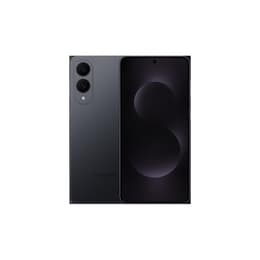
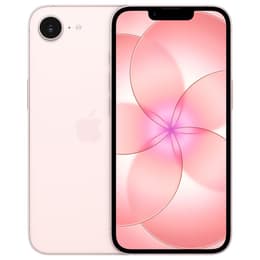
Galaxy S25 Edge Vs iPhone 17e
- 1-year minimum warranty
- Free delivery on all orders
- Free 30-day returns
Differences at a glance
The Samsung Galaxy S25 Edge (2025) and the Apple iPhone 17e (2026) represent two distinct approaches to modern smartphone design, catering to users looking for streamlined performance and everyday reliability. While the Galaxy S25 Edge emphasizes an ultra-thin form factor and expansive display, the iPhone 17e focuses on balanced software integration within a compact build. Running on Android and iOS respectively, these devices offer contrasting ecosystems while delivering efficient handling for daily tasks.
Available Models
Colour
Storage
Scores
Durability
Evaluating the long-term viability of these devices involves examining their software support windows, physical build quality, and expected operational lifespan.
- Software Longevity: Both manufacturers provide multi-year operating system updates, ensuring security and feature continuity, though their respective update schedules align with their 2025 and 2026 launch timelines.
- Build Resilience: The Galaxy S25 Edge features a titanium frame and reinforced glass construction, whereas the iPhone 17e utilizes standard water and dust resistance with robust structural framing.
- Repairability and Lifespan: Both models are designed to sustain standard daily wear, with accessible service pathways that support extended multi-year usage for typical consumers.
Year of Release
2025
2026
OS
Android
iOS
Foldable
No
No
Performance
Daily responsiveness, multitasking capability, and energy management shape the core user experience across both hardware configurations.
- Multitasking and App Handling: Both devices manage demanding applications, heavy browsing, and background processes smoothly, supported by generous RAM configurations.
- Battery Behavior: The Galaxy S25 Edge balances a slender profile with a moderate power capacity, while the iPhone 17e utilizes battery optimizations to maintain power throughout a standard day of mixed usage.
- Storage Capacity: Generous base storage tiers on both models provide ample room for media, applications, and offline files without frequent cleanup.
Screen quality
Visual output varies across display dimensions, panel technologies, and outdoor clarity, impacting media consumption and readability.
- Display Technology: Both models utilize vibrant OLED panels that deliver deep contrast levels, sharp text clarity, and rich color reproduction.
- Brightness and Outdoors: High peak brightness capabilities ensure that screens remain legible under direct sunlight or bright ambient lighting conditions.
- Viewing Area: The Galaxy S25 Edge offers a larger viewing canvas for productivity, whereas the iPhone 17e provides a more pocket-friendly footprint for single-handed navigation.
Resolution
1440 x 3120
2532 x 1170
Audiovisual
Optics and audio components define how well each device captures memories and reproduces media for daily entertainment.
- Camera Systems: The Galaxy S25 Edge relies on a high-resolution main sensor configuration, while the iPhone 17e employs an optimized single-lens setup paired with advanced image processing software.
- Video and Low Light: Both smartphones handle low-light environments effectively and record stable high-definition video with clear spatial audio capture.
- Media Output: Integrated stereo speakers deliver balanced sound output for hands-free calls, casual video viewing, and audio playback.
Miscellaneous
Practical physical attributes, connectivity standards, and sensor ecosystems dictate everyday convenience and device integration.
- Connectivity: Both models support modern 5G networks, fast Wi-Fi protocols, and reliable Bluetooth pairing for wireless accessories.
- Security and Biometrics: Secure authentication is handled through responsive facial recognition or fingerprint scanning systems depending on the ecosystem.
- Physical Handling: The Galaxy S25 Edge stands out for its remarkably thin profile and lightweight titanium build, while the iPhone 17e provides a slightly thicker, traditional slate form factor.
Weight
163 g
169 g
Screen size (in)
6.7
6.1
Network
5G
5G
SIM card
Physical SIM + eSIM
eSIM
Carrier compatibility
Unlocked
Unlocked
Connector
USB-C
USB-C (USB 2)
What the community thinks
User discussions highlight distinct preferences for each device across online communities. Owners of the Galaxy S25 Edge frequently praise its exceptionally slim titanium build and expansive display, though some note that its slender profile leaves less room for extended battery margins under heavy loads. Conversely, users of the iPhone 17e often highlight its smooth system fluidity, reliable daily endurance, and dependable software ecosystem, while occasional feedback points to the preference for more versatile multi-lens camera setups.
Users prioritizing a wide viewing canvas and an ultra-slim physical profile may prefer the Galaxy S25 Edge, while users seeking tight operating system integration and compact handling will lean toward the iPhone 17e. For those exploring sustainable purchasing routes, quality-assured refurbished options provide an eco-friendly alternative for both models without compromising functional standards. Ultimately, the choice depends on personal ecosystem preference and daily handling priorities rather than raw performance disparities.