

Compare models

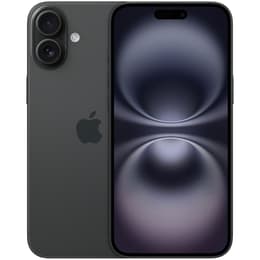
iPhone 16 Plus Vs iPhone 17e

  • 1-year minimum warranty
  • Free delivery on all orders
  • Free 30-day returns
iPhone 16 Plus
Starting at

Refurbished price:€565.00

Versus €979.00 new

See options
iPhone 17e
Starting at

Refurbished price:€599.00

Versus €879.00 new

See options

Differences at a glance

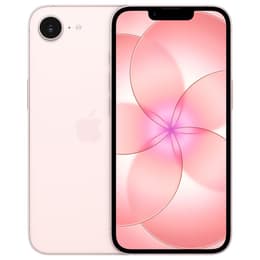
The iPhone 16 Plus (2024) and the iPhone 17e (2026) represent two distinct approaches to modern Apple smartphones, balancing screen estate and internal capability. While the iPhone 16 Plus focuses on a larger form factor and a dual-camera system, the iPhone 17e prioritizes newer processing hardware inside a compact build. Both devices run on iOS and support contemporary software ecosystems, yet they cater to different physical preferences.

Choosing between them ultimately depends on whether daily usage favors a sprawling viewing area or a newer generation of internal system architecture.

Available Models

Colour

Storage

Scores

Durability

When evaluating hardware longevity and software support, both models benefit from extended manufacturer lifecycles, though their release windows differ by over a year.

  • Software support duration: Both smartphones receive long-term operating system updates, with the newer release benefiting from an extended active support window.
  • Repairability and build: Both units feature robust glass-and-aluminum construction with high-level water and dust resistance, making component replacements straightforward for certified technicians.
  • Expected practical lifespan: Generous memory allocations on both devices ensure smooth daily operation and software capability for many years of routine use.

Year of Release

2024

2026

Foldable

No

No

Performance

Under everyday conditions, both devices handle multitasking, web browsing, and demanding applications smoothly, though they utilize different generations of internal processing hardware.

  • System responsiveness: Both options load heavy applications quickly and switch between multiple open programs without noticeable stutter, aided by generous memory.
  • Battery behavior: The larger physical footprint of the iPhone 16 Plus accommodates a higher-capacity cell for extended endurance during heavy media consumption, whereas the iPhone 17e relies on power-efficient architecture to sustain a standard full-day charge.
  • Storage configurations: Both models offer ample internal space options for large photo libraries, downloaded media, and offline applications.

Screen quality

Display characteristics differ primarily in physical dimensions and peak brightness profiles, while both maintain sharp pixel densities suitable for detailed viewing.

  • Display technology: Both devices utilize vibrant OLED panels with deep black levels, wide color support, and high contrast ratios for media viewing.
  • Size and workspace: The iPhone 16 Plus provides a sprawling 6.7-inch viewing area well-suited for productivity and split-screen tasks, while the 6.1-inch panel on the iPhone 17e prioritizes single-handed reachability.
  • Outdoor legibility: High peak brightness capabilities on both screens ensure content remains visible under direct sunlight, though specific maximum luminance thresholds vary slightly between the generations.

Resolution

1290 x 2796

2532 x 1170

Audiovisual

Photography and audio capabilities vary significantly based on the hardware layout, offering distinct tools for content capture and media playback.

  • Camera systems: The iPhone 16 Plus incorporates a versatile dual-lens array featuring both main and ultra-wide sensors, whereas the iPhone 17e focuses on a single high-resolution main camera lens.
  • Everyday and low-light capture: Both phones capture sharp everyday photos with balanced color accuracy and effective stabilization, performing reliably in dim environments using advanced computational processing.
  • Media consumption: Stereo speaker configurations on both models deliver clear audio output for hands-free calls, casual video streaming, and music playback.

Front camera

12 megapixels

12 megapixels

Miscellaneous

Practical daily usability is shaped by physical dimensions, biometric security features, and modern connectivity standards across both devices.

  • Physical handling: The iPhone 16 Plus weighs slightly more and has a larger chassis, whereas the lighter, narrower build of the iPhone 17e rests more comfortably in smaller pockets.
  • Biometrics and connectivity: Both models support secure facial recognition, fast wireless charging capabilities, and high-speed 5G mobile networks.
  • Port standards: Universal USB-C ports handle wired charging and data transfers on both smartphones.

Weight

199 g

169 g

Screen size (in)

6.7

6.1

Network

5G

5G

SIM card

eSIM

eSIM

Carrier compatibility

Unlocked

Unlocked

Connector

USB-C (USB 2)

USB-C (USB 2)

What the community thinks

User discussions across community forums highlight distinct preferences for each device. Owners of the iPhone 16 Plus frequently praise its expansive screen space and exceptional battery endurance, making it a reliable companion for media-heavy routines. At the same time, some users note its larger physical size can feel cumbersome for one-handed operation. Conversely, users drawn to the iPhone 17e highlight its comfortable, lightweight ergonomics and modern processor efficiency, though others point out the limitation of having a single rear camera lens instead of an ultra-wide option.

Users prioritizing maximum screen estate and longer battery endurance will find the iPhone 16 Plus well-suited to their needs, while users prioritizing a lighter physical footprint and newer internal architecture may lean toward the iPhone 17e. For those exploring sustainable hardware acquisition, choosing a quality-assured refurbished option provides an eco-friendly alternative that aligns with modern environmental goals without sacrificing reliability.