
Compare models

iPhone 15 Vs iPhone 17e

  • 1-year minimum warranty
  • Free delivery on all orders
  • Free 30-day returns
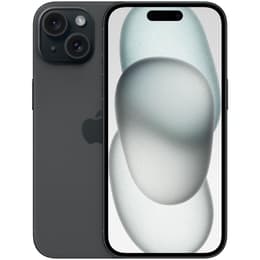
iPhone 15
Starting at

Refurbished price:401.00

Versus €879.00 new

See options
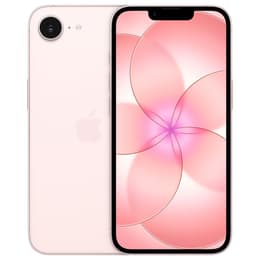
iPhone 17e
Starting at

Refurbished price:566.00

Versus €879.00 new

See options

Differences at a glance

The iPhone 15 (2023) and the iPhone 17e (2026) represent two different approaches to Apple's smartphone lineup, balancing established features with modern hardware developments. While both devices feature a 6.1-inch display and everyday usability, they differ significantly in their generation, internal capabilities, and hardware layout. Choosing between them depends on how you weigh processing capability against camera configurations and software feature support.

Available Models

Colour

Storage (GB)

Scores

Durability

When examining hardware longevity and physical resilience, both smartphones offer robust build qualities designed for multi-year daily use.

  • Release timeline and support: The iPhone 15 arrived in late 2023, whereas the iPhone 17e launched in early 2026, granting the newer model an extended software support window.
  • Repairability and build: Both models feature dust and water resistance ratings alongside standardized internal layouts, though opting for a quality-assured refurbished option provides a sustainable choice that extends device lifecycles.
  • Expected lifespan: Both units handle daily software demands smoothly, but the newer hardware base of the iPhone 17e positions it to maintain peak software compatibility further into the future.

Year of Release

2023

2026

OS

iOS

iOS

Foldable

No

No

Performance

Underneath the exterior, these devices manage daily tasks, heavy multitasking, and app responsiveness through distinct generations of internal hardware.

  • Storage capacities: The iPhone 15 starts with smaller baseline storage configurations, whereas the iPhone 17e provides higher minimum storage tiers right out of the box.
  • Speed and multitasking: The iPhone 17e handles demanding applications and rapid switching between heavy programs with enhanced efficiency thanks to its newer processing architecture.
  • Battery behavior: The iPhone 17e benefits from a larger battery capacity and optimized power management, supporting prolonged daily usage without frequent recharging breaks.

Screen quality

Visual output across both screens delivers sharp text, vibrant color reproduction, and clear viewing angles suitable for media consumption.

  • Display technology: Both models utilize OLED display technology, ensuring deep contrast levels, rich dark tones, and bright imagery.
  • Outdoor legibility: High peak brightness capabilities on both screens allow for comfortable readability when viewing content under direct sunlight.
  • Physical viewing space: Each phone offers a 6.1-inch viewing area, balancing pocket-friendly dimensions with ample room for browsing, reading, and watching videos.

Resolution

1179 x 2556

2532 x 1170

Audiovisual

Photography and multimedia capture capabilities differ notably in lens configuration and specialized shooting tools between the two models.

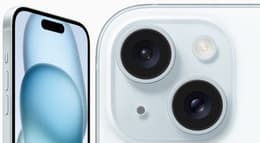
  • Lens versatility: The iPhone 15 employs a dual-camera system featuring a main lens and an ultra-wide option, while the iPhone 17e focuses on a single, high-resolution main camera setup.
  • Everyday and low-light imaging: Both phones capture detailed photos in balanced lighting conditions, utilizing computational photography to maintain clarity during dusk or indoor settings.
  • Audio and video recording: High-definition video capture, stable motion recording, and clear multi-microphone audio input support reliable media creation on both devices.

Front camera

12 megapixels

12 megapixels

Miscellaneous

Practical physical traits, connectivity standards, and daily handling features shape the day-to-day user experience of each handset.

  • Physical dimensions: Both devices share nearly identical height, width, and weight profiles, making them comfortable to hold and fit into standard pockets.
  • Ports and charging: Each model incorporates universal USB-C connectivity alongside high-speed wireless charging compatibility.
  • Security and sensors: Both handsets utilize secure facial recognition systems for fast unlocking and authorized authentication.

Weight

171 g

169 g

Screen size (in)

6.1

6.1

Network

5G

5G

SIM card

Physical SIM + eSIM

eSIM

Carrier compatibility

Unlocked

Unlocked

Connector

USB-C (USB 2)

USB-C (USB 2)

What the community thinks

User discussions across community forums frequently highlight the iPhone 15 for its versatile dual-camera system and familiar layout, though some users note its lack of compatibility with advanced artificial intelligence features. Conversely, the iPhone 17e receives praise for its extended battery longevity, higher baseline storage, and responsive processor, while occasional discussions focus on its preference for a single rear camera instead of multiple lenses. Reviewing these practical differences helps clarify which device fits your routine.

Users prioritizing expanded battery endurance, higher baseline storage, and longer-term software relevance may prefer the iPhone 17e, while users who value a dual-lens camera setup with an ultra-wide option will find the iPhone 15 well-suited to their photography needs. Exploring an eco-friendly, quality-assured refurbished option through Back Market can also provide a sustainable path to acquiring either device while reducing electronic waste. Ultimately, your choice depends on whether your daily workflow relies more heavily on multi-lens flexibility or modern processing efficiency.