

Compare models
Galaxy S26 Vs Galaxy S26 Ultra
- 1-year minimum warranty
- Free delivery on all orders
- Free 30-day returns
Differences at a glance
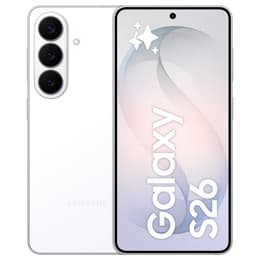
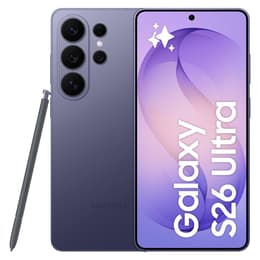
The Samsung Galaxy S26 and the Galaxy S26 Ultra (2026) represent two distinct approaches within the same flagship smartphone generation. While both devices share the same launch year and run on Android 16 with equivalent long-term software support commitments, they differ significantly in physical size, productivity features, and photographic capabilities. These variations cater to completely different everyday workflows without compromising core processing power.
Available Models
Colour
Storage (GB)
Scores
Durability
Both the Galaxy S26 and Galaxy S26 Ultra share identical software longevity timelines and robust build standards, though their physical dimensions and repair profiles differ slightly.
- Software Support: Both devices receive up to 7 major operating system updates and security patches from their 2026 release date, ensuring equal long-term software relevance.
- Build Durability: The Ultra variant utilizes titanium framing and advanced front glass protection, whereas the standard model relies on armor aluminum and standard flagship glass, both offering certified dust and water resistance.
- Expected Lifespan: Both models maintain high structural and functional durability for multi-year daily use, supported by readily accessible component repair networks.
Year of Release
2026
2026
Compatible with latest Update
Yes
Yes
OS
Android
Android
Foldable
No
No
Performance
System responsiveness and everyday processing speeds remain exceptionally high across both models, though multitasking and thermal thresholds vary by chassis size.
- App Loading and Multitasking: Both phones handle demanding applications, heavy browsing, and background tasks smoothly, aided by generous base memory configurations.
- Thermal Management: The larger chassis of the Ultra provides a wider surface area for heat dissipation, allowing for sustained performance during extended gaming sessions.
- Battery Behavior: The standard model relies on a smaller battery capacity suited for moderate daily use, while the Ultra incorporates a larger cell designed to comfortably outlast full days of intensive workflows.
Screen quality
Display technology on both devices delivers vibrant color reproduction and high refresh rates, tailored to different viewing and handling preferences.
- Panel Technology: Both models feature dynamic AMOLED panels with adaptive refresh rates up to 120Hz, ensuring smooth scrolling and responsive touch interaction.
- Size and Workspace: The standard model offers a compact 6.3-inch screen optimized for single-handed use, whereas the Ultra provides a larger expansive viewing area well-suited for media consumption.
- Outdoor Visibility: Both displays reach high peak brightness thresholds, maintaining clear legibility under direct sunlight.
Resolution
1080 x 2340
1440 x 3120
Audiovisual
Photographic hardware highlights the most prominent distinction between the two devices, varying mainly in optical reach and secondary sensor versatility.
- Zoom Capabilities: The standard model features a standard optical telephoto lens for moderate magnification, while the Ultra integrates dual telephoto sensors offering extended optical range.
- Main and Low-Light Capture: Both devices utilize high-resolution main sensors equipped with optical image stabilization to preserve clarity in dim lighting conditions.
- Media and Audio: Video recording quality, stabilization modes, and stereo speaker output match closely across both models for everyday content capture and playback.
Front camera
12.0
12.0
Miscellaneous
Practical daily usability elements reflect the physical divergence between the compact baseline device and the larger productivity-focused counterpart.
- Physical Handling: The standard model weighs considerably less and features streamlined dimensions for pocketability, while the Ultra carries a heavier, wider footprint to accommodate its expanded screen.
- Productivity Input: The Ultra features integrated stylus support for note-taking and precision tasks, an accessory omitted from the standard model.
- Connectivity: Both smartphones support modern wireless standards, dual-SIM configurations, and fast charging protocols via USB-C ports.
Weight
167 g
214 g
Screen size (in)
6.3
6.9
Network
5G
5G
SIM card
Physical SIM + eSIM
Physical SIM + eSIM
Carrier compatibility
Unlocked
Unlocked
Connector
USB-C
USB-C
What the community thinks
Choosing between the Samsung Galaxy S26 and the Galaxy S26 Ultra depends entirely on individual handling preferences and daily workflow priorities. Users who prefer a lightweight, compact form factor that fits easily into one hand will find the standard Galaxy S26 well-suited to their needs. Conversely, users prioritizing maximum screen workspace, advanced optical zoom capabilities, and integrated stylus productivity will lean toward the Galaxy S26 Ultra.
For those mindful of environmental impact, opting for a quality-assured refurbished option provides a sustainable choice that delivers identical core functionality while reducing electronic waste. Ultimately, both devices offer robust flagship capabilities, allowing buyers to align their choice with practical usability rather than performance compromises.