

Compare models
Google Pixel 10a Vs iPhone 17e
- 1-year minimum warranty
- Free delivery on all orders
- Free 30-day returns
Differences at a glance
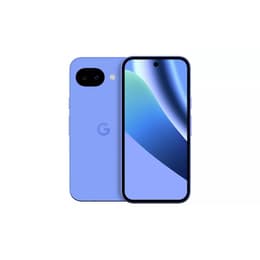
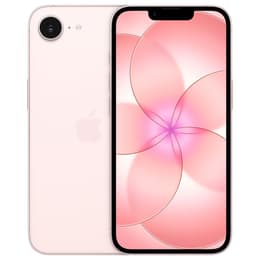
The Google Pixel 10a (2026) and the iPhone 17e (2026) represent two distinct approaches to everyday mobile technology, catering to users who want dependable performance without moving into ultra-premium flagship tiers. The Google Pixel 10a runs on Android and emphasizes versatile multi-lens photography alongside clean system integration, while the iPhone 17e operates on iOS and focuses on streamlined efficiency and long-term ecosystem support. While both devices serve as accessible entry points to their respective product families, they differ significantly in their software environments, hardware layouts, and daily interaction models.
Available Models
Colour
Storage (GB)
Scores
Durability
Both the Google Pixel 10a and the iPhone 17e are built to maintain relevance over several years of regular ownership, though they rely on different software update frameworks and build methodologies.
- Software Support Duration: The Google Pixel 10a receives extensive major operating system updates and security patches spanning multiple years, matching Google's long-term support commitment. The iPhone 17e benefits from Apple's extended iOS update lifecycle, ensuring steady feature additions and security compliance throughout its lifespan.
- Build and Repairability: The Pixel 10a utilizes a durable composite matte back paired with an aluminum frame and scratch-resistant glass, designed to absorb daily wear effectively. The iPhone 17e features an aluminum enclosure paired with a hardened glass front cover designed for improved drop resistance.
- Expected Lifespan: Both models are well-equipped to handle routine tasks, web browsing, and communication reliably for multiple years, making a quality-assured refurbished option an eco-friendly alternative for conscious buyers looking to extend device longevity.
Year of Release
2026
2026
OS
Android
iOS
Foldable
No
No
Performance
Performance across both devices handles demanding applications, regular multitasking, and casual gaming smoothly, though they manage memory and hardware resources differently.
- Storage Configurations: The Google Pixel 10a is available in 128GB and 256GB storage capacities, whereas the iPhone 17e starts with higher baseline storage options ranging from 256GB to 512GB.
- Multitasking and Responsiveness: Both smartphones feature 8GB of RAM, enabling fluid switching between open browser tabs, social media feeds, and utility applications without stuttering.
- System Efficiency: Everyday app loading times and background processing remain snappy on both platforms, with optimized thermal management ensuring steady performance during extended navigation or media streaming sessions.
Screen quality
Display characteristics differ notably in size, panel technology, and refresh rate behavior, influencing how media and text appear during daily use.
- Display Technology: The Google Pixel 10a features a 6.3-inch pOLED screen with a flexible high refresh rate ranging up to 120Hz for smooth scrolling. The iPhone 17e utilizes a 6.1-inch Super Retina XDR OLED display locked at a standard 60Hz refresh rate.
- Clarity and Brightness: Both screens offer sharp resolutions with deep contrast levels, rich colors, and high peak brightness modes that maintain legibility under bright outdoor daylight.
- Viewing Experience: The Pixel 10a provides slightly more screen estate with an uninterrupted panel layout, while the iPhone 17e incorporates a traditional notch housing biometric sensors for facial recognition.
Resolution
1080x2424
2532 x 1170
Audiovisual
Photography and audio capabilities reflect different engineering philosophies, catering to distinct visual and auditory preferences.
- Camera Systems: The Google Pixel 10a equips a dual-lens rear setup consisting of a primary wide lens and an ultra-wide lens, providing flexible framing options for landscapes and groups. The iPhone 17e relies on a single high-resolution rear Fusion lens that utilizes sensor cropping to deliver optical-quality zoom features.
- Media and Video: Both devices capture detailed high-resolution video with built-in stabilization features, though the iPhone series is frequently noted by users for robust cinematic tracking and spatial audio recording.
- Audio Output: Stereo speaker setups on both models deliver clear sound reproduction for hands-free calling, podcast listening, and casual video streaming.
Front camera
13MP
12 megapixels
Miscellaneous
Practical daily usability is shaped by connectivity standards, physical dimensions, and security authentication methods.
- Connectivity and Charging: Both models support modern 5G networks, Wi-Fi standards, and Bluetooth connections, alongside fast wired charging capabilities and wireless charging support.
- Biometric Security: The Google Pixel 10a uses an optical in-screen fingerprint scanner for quick unlocking, while the iPhone 17e relies on secure facial recognition sensors.
- Physical Dimensions: The Pixel 10a measures slightly wider to accommodate its larger display, whereas the iPhone 17e maintains a narrower, lighter profile that fits easily into smaller pockets and bags.
Weight
183 g
169 g
Screen size (in)
6.3
6.1
Network
5G
5G
SIM card
Physical SIM + eSIM
eSIM
Carrier compatibility
Unlocked
Unlocked
Connector
USB-C
USB-C (USB 2)
What the community thinks
Community discussions across online forums indicate that users appreciate the Google Pixel 10a for its smooth high-refresh-rate display, flexible dual-lens camera versatility, and reliable daily battery endurance. At the same time, common points of praise for the iPhone 17e center around its generous baseline storage capacities, seamless iOS integration, and dependable processing longevity. Frequent criticisms for the Pixel occasionally involve its slightly bulkier frame, while iPhone users sometimes note the limitation of a standard refresh rate screen.
Users prioritizing a fluid screen refresh rate, multi-lens photographic flexibility, and the Android environment will find the Google Pixel 10a well-suited to their needs. Conversely, users prioritizing tight software ecosystem synchronization, higher starting storage tiers, and facial recognition security may lean toward the iPhone 17e. Choosing between the two ultimately depends on individual preferences for operating systems and hardware sizing, with both models offering sustainable choices, including quality-assured refurbished options, for environmentally conscious consumers.