

Compare models

iPhone 17e Vs iPhone Air

  • 1-year minimum warranty
  • Free delivery on all orders
  • Free 30-day returns
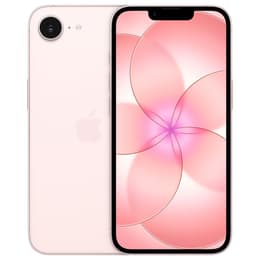
iPhone 17e
Starting at

Refurbished price:566.00

Versus €879.00 new

See options
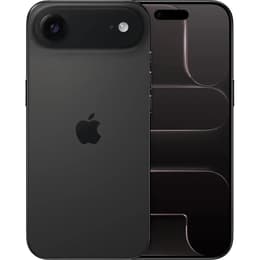
iPhone Air
Starting at

Refurbished price:739.00

Versus €1,339.00 new

See options

Differences at a glance

The iPhone 17e (2026) and the iPhone Air (2015/2025 release cycle context) represent two distinct smartphone philosophies within Apple's ecosystem. While the iPhone 17e focuses on providing reliable everyday utility in a compact form factor, the iPhone Air prioritizes an ultra-thin profile and advanced processing capabilities. Both devices operate on Apple's iOS platform and deliver streamlined software experiences, though they target different user priorities through their hardware construction.

Available Models

Colour

Storage (GB)

Scores

Durability

When examining longevity and durability, both smartphones feature robust protective builds designed to withstand daily wear over several years of use.

  • Software Support: Both models run current iOS versions and receive regular security updates, ensuring long-term compatibility with modern applications.
  • Build Durability: The iPhone 17e utilizes an aluminum frame with resistant glass protection, while the iPhone Air incorporates a titanium frame and specialized glass reinforcement.
  • Repairability: Both handsets adhere to standard industry repairability metrics, though their specialized internal layouts benefit from professional servicing to maintain water resistance ratings.

Year of Release

2026

2025

OS

iOS

iOS

Foldable

No

No

Performance

System responsiveness and daily multitasking capabilities differ based on internal hardware configurations and battery capacity management across both devices.

  • Multitasking and Speed: The iPhone Air handles demanding application workflows and heavy usage smoothly with its high-tier memory allocation, whereas the iPhone 17e manages standard everyday tasks and casual applications efficiently.
  • Battery Behavior: The iPhone 17e features a larger battery capacity that sustains extended daily usage sessions comfortably, while the slimmer profile of the iPhone Air requires more frequent recharging during intensive workflows.
  • Storage Capacity: Both devices offer generous starting storage configurations to accommodate large photo libraries, documents, and applications without immediate space concerns.

Screen quality

Display characteristics vary significantly between the two models, impacting visual smoothness and overall media consumption comfort.

  • Display Technology: Both models utilize OLED display panels that deliver deep contrast levels, vibrant colors, and sharp text rendering for reading and web browsing.
  • Refresh Rate: The iPhone Air features a high refresh rate display for fluid scrolling and animations, while the iPhone 17e employs a standard refresh rate suitable for typical daily viewing.
  • Screen Size: The iPhone Air offers a larger viewing canvas for productivity and videos, whereas the iPhone 17e provides a more compact footprint that is easier to handle with one hand.

Resolution

2532 x 1170

2736x1260

Audiovisual

Audio-visual hardware configurations cater to different multimedia preferences, focusing on single-lens rear photography and integrated sound output.

  • Photography Performance: Both smartphones rely on a single 48-megapixel main rear camera system capable of capturing detailed everyday photos and high-resolution images in varied lighting conditions.
  • Video Recording: Each device supports stable high-definition video capture with advanced stabilization features for personal recording needs.
  • Audio Output: The iPhone 17e is equipped with stereo speakers for a balanced media playback experience, while the iPhone Air utilizes a mono speaker layout tailored to its slim profile.

Front camera

12 megapixels

18 megapixels

Miscellaneous

Practical daily features, physical dimensions, and connectivity standards dictate how each device integrates into a user's routine.

  • Connectivity: Both models support rapid wireless networks and modern Bluetooth standards for reliable accessory pairing.
  • Physical Handling: The iPhone Air focuses on an exceptionally thin and lightweight build, whereas the iPhone 17e offers a slightly thicker, traditional slate profile that fits securely in pockets and bags.
  • Authentication: Both handsets utilize secure facial recognition sensors for unlocking the device and authorizing applications safely.

Weight

169 g

165 g

Screen size (in)

6.1

6.5

Network

5G

5G

SIM card

eSIM

eSIM

Carrier compatibility

Unlocked

Unlocked

Connector

USB-C (USB 2)

USB-C

What the community thinks

User feedback from online communities highlights distinct preferences for each device based on everyday requirements. Owners of the iPhone 17e frequently praise its dependable battery longevity and balanced everyday performance. Conversely, users of the iPhone Air regularly emphasize appreciation for its exceptionally thin profile and large display canvas. Common discussions note that heavy media consumers occasionally miss stereo sound on the slimmer model, while compact device users trade away screen workspace.

Users prioritizing extended battery longevity and a comfortable one-handed grip may prefer the iPhone 17e, while users seeking an expansive display and a lightweight, ultra-slim form factor often lean toward the iPhone Air. For individuals exploring sustainable purchasing routes, choosing a quality-assured refurbished option provides an eco-friendly alternative to acquire either device. Evaluating personal preferences regarding physical handling and daily battery needs will guide a well-considered decision.