
Compare models
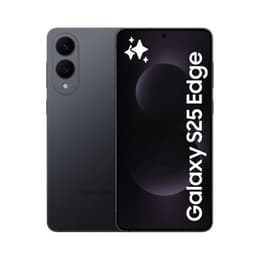
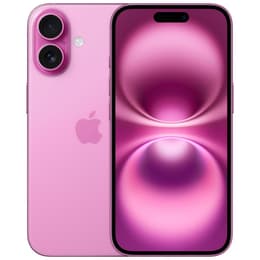
Galaxy S25 Edge Vs iPhone 16
- 1-year minimum warranty
- Free delivery on all orders
- Free 30-day returns
Differences at a glance
The Samsung Galaxy S25 Edge (2025) and the Apple iPhone 16 (2024) represent advanced smartphone options from two major ecosystems, each bringing distinct hardware philosophies to the mobile market. While both devices cater to users seeking high-level daily reliability and modern computing features, they differ significantly in their physical footprint, screen proportions, and operating software. The Galaxy S25 Edge runs on Android with Samsung's custom interface, whereas the iPhone 16 operates on Apple's streamlined iOS platform, establishing a fundamental divergence in user experience.
Available Models
Colour
Storage (GB)
Scores
Durability
When evaluating structural longevity and software support, both the Galaxy S25 Edge and the iPhone 16 are built to remain functional and secure for many years of daily use.
- Software Support: Both manufacturers provide long-term operating system updates and security patches, helping ensure the devices stay current with software standards over a multi-year span.
- Build Integrity: Each model incorporates robust exterior materials designed to resist everyday wear and tear, though their physical profiles require different handling considerations.
- Repairability: Authorized service networks and modular component designs support straightforward maintenance, with quality-assured refurbished options providing a sustainable choice that extends device lifecycles.
Year of Release
2025
2024
Foldable
No
No
Performance
Underneath their exteriors, both smartphones deliver responsive daily operation, handling routine tasks and demanding software smoothly through efficient internal architectures.
- Multitasking and App Switching: Generous memory configurations allow users to keep numerous applications active simultaneously without noticeable slowdowns or stuttering.
- Battery Behavior: Power management systems optimize energy consumption throughout the day, though heavy media consumption or gaming will influence overall endurance between charges.
- System Responsiveness: High-performance processing hardware ensures rapid application loading times and fluid navigation across user interfaces and web browsers.
Screen quality
Visual output and display engineering are central to the user experience of both devices, offering bright, clear panels tailored for media viewing and text readability.
- Display Technology: Both models utilize advanced organic light-emitting diode panels that produce deep black levels, high contrast ratios, and vivid color reproduction.
- Outdoor Visibility: High peak brightness capabilities ensure that screens remain legible and sharp even under direct sunlight or bright ambient lighting conditions.
- Viewing Area: The Galaxy S25 Edge features a larger 6.7-inch panel suited for immersive media viewing, while the iPhone 16 provides a more compact 6.1-inch display that prioritizes single-handed reach.
Resolution
1440x3120
1179 x 2556
Audiovisual
Optics and media capture capabilities on both smartphones accommodate casual photography as well as detailed video recording for everyday documentation.
- Camera Systems: Multi-lens rear configurations capture sharp wide-angle images and expansive landscape shots, maintaining clarity across varying lighting conditions.
- Video Recording: Integrated stabilization features and high-resolution capture modes produce steady, clear video clips suitable for personal memories or content sharing.
- Audio Output: Stereo speaker setups deliver balanced sound reproduction for media playback, while internal microphone arrays capture clear voice audio during calls and video recordings.
Miscellaneous
Practical daily features, connectivity standards, and physical dimensions define how each smartphone integrates into a user's routine and accessories.
- Connectivity and Ports: Both devices support rapid 5G cellular networks, modern wireless standards, and reversible physical charging ports for straightforward cable connection.
- Biometric Security: Secure authentication methods, including facial recognition and integrated fingerprint sensors, allow for quick and safe device unlocking.
- Physical Handling: The Galaxy S25 Edge emphasizes an ultra-thin profile with a titanium frame, whereas the iPhone 16 utilizes an aluminum enclosure balanced for comfortable everyday grip.
Weight
163 g
170 g
Screen size (in)
6.7
6.1
Network
5G
5G
SIM card
Dual Physical SIM + eSIM
eSIM
Carrier compatibility
Unlocked
Unlocked
Connector
USB-C
USB-C (USB 2)
What the community thinks
User feedback from online communities highlights distinct preferences for each device based on hardware design and software ecosystems. Common praise for the Galaxy S25 Edge centers on its remarkably thin profile and expansive display estate, while critics note that its slim chassis limits overall battery capacity. Conversely, users frequently praise the iPhone 16 for its balanced ergonomics and reliable software optimization, though some mention that the standard refresh rate trails behind certain Android competitors. Choosing between the two often depends on individual interface preferences and physical form factor priorities.
Users who prioritize a larger viewing workspace and customisable software flexibility may prefer the Galaxy S25 Edge, while users who favor a compact physical footprint and seamless ecosystem integration will lean toward the iPhone 16. Exploring a quality-assured refurbished option provides an eco-friendly alternative for acquiring either model without compromising on performance or reliability. Ultimately, both smartphones deliver capable daily performance tailored to distinct consumer preferences.