


Compare models

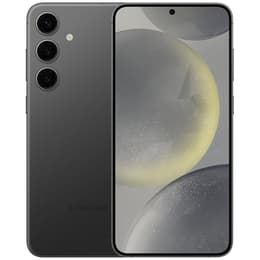
Galaxy S24+ Vs iPhone Air

  • 1-year minimum warranty
  • Free delivery on all orders
  • Free 30-day returns
Galaxy S24+
Starting at

Refurbished price:€392.00

Versus €1,169.00 new

See options
iPhone Air
Starting at

Refurbished price:€693.00

Versus €1,339.00 new

See options

Differences at a glance

The Samsung Galaxy S24+ (2024) and the Apple iPhone Air (2025) represent two distinct approaches to high-end smartphone design, balancing large display layouts with differing priorities in physical profile and daily operation. While the Galaxy S24+ runs on Android with Samsung's customized interface, the iPhone Air operates on Apple's iOS platform, offering entirely different software ecosystems. Both handsets target users seeking expansive screens, yet they differ significantly in their approach to hardware thickness, camera layouts, and performance frameworks.

Available Models

Colour

Storage

Scores

Durability

When evaluating long-term viability, both devices provide robust update schedules and durable assembly standards that support extended practical use over several years.

  • Software Support: The Galaxy S24+ benefits from an extended manufacturer commitment of seven years of operating system upgrades, while the iPhone Air follows Apple's traditional multi-year iOS lifecycle support.
  • Build Durability: The Galaxy S24+ utilizes a sturdy aluminum frame paired with Corning glass protection, whereas the iPhone Air features a lightweight titanium chassis reinforced with advanced ceramic shield glass.
  • Expected Lifespan: Both models deliver high-tier build quality and sufficient processing headroom to remain functional and responsive for daily tasks across many years of ownership.

Year of Release

2024

2025

Compatible with latest Update

Yes

Yes

OS

Android

iOS

Foldable

No

No

Performance

Underneath their respective surfaces, these smartphones handle demanding applications, multitasking workflows, and media consumption through powerful processing configurations.

  • System Responsiveness: Both devices load heavy applications quickly and transition between multiple open programs smoothly without stuttering or noticeable lag during intensive use.
  • Battery Behavior: The Galaxy S24+ includes a larger physical battery capacity suited for long days of mixed use, whereas the iPhone Air achieves efficient power management within an ultra-thin profile.
  • Memory and Storage: Both smartphones offer generous baseline random access memory and multiple storage tiers to accommodate large photo libraries and offline files.

Screen quality

Display characteristics differ notably in physical dimensions and panel technology, though both deliver sharp visual clarity and high refresh rates.

  • Display Technology: The Galaxy S24+ features a 6.7-inch Dynamic AMOLED panel, while the iPhone Air presents a 6.5-inch Super Retina XDR OLED screen.
  • Outdoor Visibility: Both screens reach high peak brightness levels, ensuring clear legibility and vibrant contrast when used under direct sunlight.
  • Visual Smoothness: Adaptive refresh rates scaling up to 120Hz ensure fluid scrolling through web pages and responsive feedback during touch interactions.

Resolution

1440 x 3120

2736x1260

Screen type

Dynamic LTPO AMOLED 2X

Super Retina XDR

Audiovisual

Optics and media playback systems vary significantly between the two models, catering to different photography preferences and audio habits.

  • Camera Configurations: The Galaxy S24+ employs a versatile multi-lens rear camera setup including telephoto capabilities, whereas the iPhone Air relies on a streamlined single-lens high-resolution camera system.
  • Video and Photo Quality: Both handsets capture detailed images in diverse lighting conditions and record steady video with advanced stabilization features.
  • Audio Output: Media consumption differs as the Galaxy S24+ provides a standard multi-speaker arrangement, while the iPhone Air focuses on a specialized audio output profile suited to its slim chassis.

Main camera

50 megapixels

48 megapixels

Front camera

12 megapixels

18 megapixels

Miscellaneous

Practical everyday features, connectivity standards, and physical handling traits shape how each phone feels during daily transit and communication.

  • Dimensions and Weight: The Galaxy S24+ maintains a standard flagship thickness and weight, whereas the iPhone Air emphasizes an exceptionally slim and lightweight build.
  • Connectivity Options: Both smartphones support fast 5G cellular networks, modern wireless protocols, and secure biometric authentication methods.
  • Port Type: Each model relies on a universal USB-C port for wired charging and data transfers, aligning with current industry standards.

Weight

197 g

165 g

Screen size (in)

6.7

6.5

Network

5G

5G

SIM card

Dual Physical SIM + eSIM

eSIM

Carrier compatibility

Unlocked

Unlocked

Connector

USB-C

USB-C

What the community thinks

User feedback from online communities highlights distinct preferences for each device based on hardware priorities. Owners of the Galaxy S24+ frequently praise its versatile multi-lens camera array, reliable multi-day battery capacity, and expansive screen estate. Conversely, users favor the iPhone Air for its remarkably thin frame, featherlight weight, and seamless integration within the Apple software ecosystem. Common discussions note that the single camera on the iPhone Air requires adjusting to fixed focal lengths compared to traditional multi-lens setups, while some Galaxy S24+ users mention a preference for lighter physical dimensions.

Users prioritizing multi-lens photography, file management flexibility, and an Android environment will find the Galaxy S24+ well-suited to their daily routines. Meanwhile, users prioritizing a minimalist physical profile, ultra-lightweight portability, and iOS continuity may lean toward the iPhone Air. For those exploring sustainable purchasing routes, a quality-assured refurbished option provides an eco-friendly alternative to buying new without compromising on performance or reliability. Ultimately, the choice depends on whether physical slimness or camera versatility takes precedence in daily usage.








