
Compare models

Dell Latitude 5310 13" Vs Dell Latitude 5320 13"

  • 1-year minimum warranty
  • Free delivery on all orders
  • Free 30-day returns
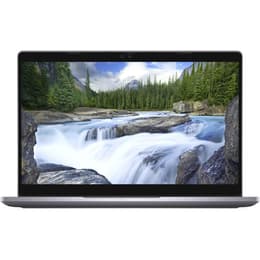
Dell Latitude 5310 13"
Starting at

Refurbished price:€268.00

Versus €1,099.00 new

See options
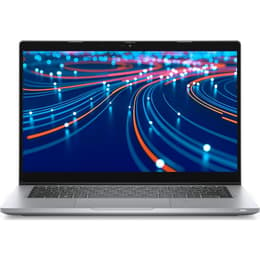
Dell Latitude 5320 13"
Starting at

Refurbished price:€299.00

Versus €1,049.00 new

See options

Differences at a glance

The Dell Latitude 5310 (2020) and Dell Latitude 5320 (2021) are compact 13-inch business-class laptops designed for everyday productivity, office tasks, and mobile professionals. While both models share a similar form factor and professional aesthetic, the newer Latitude 5320 introduces updated internal components, enhanced port selections, and improved display technology that distinguish it from its predecessor. Both devices run on standard business operating systems like Windows, offering familiar enterprise and personal usability right out of the box.

Available Models

Storage

Processor

Memory

Scores

Durability

When evaluating structural longevity and software support, both laptops offer solid reliability suited for multi-year daily use, though their release years and internal build designs create distinct maintenance profiles.

  • Release timeline and update cycle: The Latitude 5310 launched in 2020 with tenth-generation processing hardware, whereas the Latitude 5320 followed in 2021 with eleventh-generation architecture, giving the newer model an extra year of expected vendor driver support.
  • Repairability and modularity: The Latitude 5310 features traditional, replaceable memory slots that allow component swaps, while the Latitude 5320 utilizes integrated system memory soldered directly to the board, limiting later hardware upgrades.
  • Expected practical lifespan: Both units handle standard daily workloads reliably over time, though choosing a quality-assured refurbished option extends their usable lifecycle sustainably while reducing electronic waste.

Year of Release

2020

2021

Last Os Compatibility

Yes

Yes

OS

Windows 11

Windows 11

Performance

Performance capabilities vary noticeably due to the generational leap in processing architecture between these two machines, influencing how smoothly they handle intense multitasking and everyday software.

  • Processor capabilities and responsiveness: The Latitude 5310 handles basic web browsing, word processing, and office tasks smoothly, while the Latitude 5320 delivers faster application loading speeds and better thermal handling during heavier multi-app workflows.
  • Storage and configuration options: Both models utilize fast solid-state drive technology for rapid system boot times and file transfers, available in various capacity tiers to match different local file storage needs.
  • Multitasking management: The Latitude 5310 relies on modular system memory configurations, whereas the Latitude 5320 adopts higher-bandwidth integrated memory channels that assist with simultaneous background application management.

Graphic card

Integrated Graphics

Integrated Graphics

Screen quality

Display configurations on these 13-inch devices provide clear viewing areas for daily document work, web browsing, and media consumption, with notable advancements in panel technology on the newer model.

  • Display technology and clarity: Both models offer crisp Full HD resolution panels, but the Latitude 5320 frequently includes improved brightness options and built-in hardware solutions to reduce eye strain during extended viewing sessions.
  • Outdoor usability and brightness: The Latitude 5310 typically maxes out at standard brightness levels suitable for indoor office environments, whereas select configurations of the Latitude 5320 offer higher nits for more comfortable visibility near windows or outdoors.
  • Visual workspace: The 13.3-inch screen size on both devices balances portability with adequate screen real estate for split-window multitasking without requiring an external monitor.

Resolution

1920 x 1080

1920 x 1080

Screen type

IPS

LCD

Camera

Audiovisual

Multimedia features focus heavily on remote communication essentials like video conferencing, audio clarity, and media playback for everyday virtual collaboration.

  • Video conferencing equipment: Both laptops feature integrated webcams positioned above the display for virtual meetings, with the newer Latitude 5320 offering optional high-definition camera sensors and physical privacy shutters.
  • Audio and microphone output: Built-in stereo speakers and digital array microphones provide clear voice pickup for online calls and adequate volume levels for casual video viewing or listening to podcasts.
  • Media consumption experience: Built-in audio processing software on both machines allows users to adjust sound profiles, ensuring reliable voice clarity during virtual conference calls and meetings.

Miscellaneous

Physical design choices, port availability, and wireless connectivity standards define how easily each laptop integrates into existing desk setups and mobile travel routines.

  • Connectivity and port selection: The Latitude 5310 includes standard USB ports, HDMI, and an optional connection slot, whereas the Latitude 5320 modernizes its perimeter by incorporating versatile Thunderbolt ports alongside traditional connections.
  • Wireless standards: Both laptops support modern Wi-Fi and Bluetooth protocols, ensuring stable wireless connections to office networks, home routers, and wireless peripherals.
  • Physical dimensions and weight: Both models maintain a lightweight, portable profile hovering around standard travel weights, making them well-suited for students and professionals on the move.

Weight

1240 g

1200 g

Screen size

13

13

What the community thinks

User feedback from online communities and reviews highlights both laptops as reliable, durable workhorses for productivity tasks, school assignments, and professional office workflows. Common praise centers on their robust physical construction, comfortable keyboards, and dependable everyday stability. At the same time, users frequently note that older configurations of the Latitude 5310 can struggle with heavy modern workloads, while owners of the Latitude 5320 appreciate its speedier processing response and expanded port versatility.

When deciding between the two, user priorities serve as the best guide. Users prioritizing maximum port versatility, faster application response times, and brighter display options may prefer the Dell Latitude 5320. Conversely, users seeking a straightforward, reliable productivity tool with modular component flexibility will find the Dell Latitude 5310 well-suited to their needs. Exploring a quality-assured refurbished option provides an eco-friendly alternative that extends the lifespan of these durable business machines while supporting sustainable technology choices.
Our recent comparisons