

Compare models

iPhone 14 Plus Vs iPhone Air

  • 1-year minimum warranty
  • Free delivery on all orders
  • Free 30-day returns
iPhone 14 Plus
Starting at

Refurbished price:359.00

Versus €879.00 new

See options
iPhone Air
Starting at

Refurbished price:739.00

Versus €1,339.00 new

See options

Differences at a glance

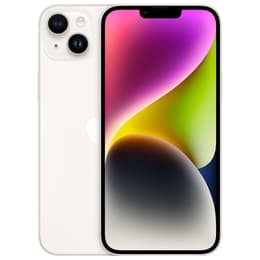
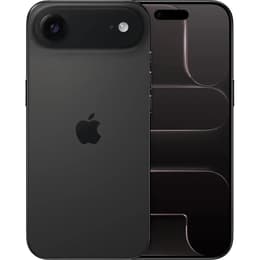
The iPhone 14 Plus (2022) and the iPhone Air (2025) represent two distinct approaches to large-screen smartphone design within Apple's ecosystem. While the iPhone 14 Plus establishes a traditional large-format footprint with standard internals, the iPhone Air prioritizes an ultra-slim profile and modern hardware capabilities. Both devices offer distinct user experiences governed by their respective release eras and physical engineering philosophies.

Available Models

Colour

Storage (GB)

Scores

Durability

When examining longevity, these two smartphones differ significantly in their launch timelines, software support horizons, and physical architecture design.

  • Release timeline and support: The iPhone 14 Plus runs on an older software foundation, while the newer iPhone Air extends support deeper into the future through its recent launch year and modern platform architecture.
  • Repairability and build: Both models utilize durable glass and metal structures, though the ultra-thin profile of the iPhone Air employs specialized internal engineering to maintain structural rigidity over years of daily handling.
  • Expected lifespan: Users can anticipate standard multi-year software updates on both devices, with the newer model providing a longer window of active feature support before reaching legacy status.

Year of Release

2022

2025

Compatible with latest Update

Yes

Yes

OS

iOS

iOS

Foldable

No

No

Performance

Underneath their exteriors, these devices handle everyday tasks, multitasking, and mobile applications with different levels of internal processing headroom.

  • System responsiveness: The iPhone Air handles demanding apps, graphics-heavy gaming, and complex background multitasking smoothly thanks to its current-generation processor, whereas the iPhone 14 Plus handles standard daily tasks reliably with its mature hardware.
  • Storage configurations: The iPhone 14 Plus offers storage tiers starting at lower capacities for basic needs, while the iPhone Air begins at higher baseline storage levels to accommodate media-heavy workflows.
  • Battery behavior: The iPhone 14 Plus relies on a physical footprint that accommodates a traditional battery span for standard daily use, while the iPhone Air balances its slim profile with optimized power efficiency to get through standard routines.

Screen quality

Visual output and display technology differ notably between the two models, impacting media consumption and everyday viewing comfort.

  • Display technology: Both models feature vibrant OLED panels with deep contrast levels, but the iPhone Air introduces a higher maximum refresh rate for smoother scrolling and interface animations compared to the standard refresh rate on the iPhone 14 Plus.
  • Brightness levels: The iPhone Air achieves higher peak outdoor brightness levels for improved legibility under direct sunlight, while the iPhone 14 Plus maintains adequate viewing clarity for everyday lighting conditions.
  • Viewing space: The iPhone 14 Plus provides a spacious 6.7-inch viewing area, whereas the iPhone Air offers a slightly more compact 6.5-inch panel housed within a much thinner physical frame.

Resolution

1284 x 2778

2736x1260

Screen type

Super Retina XDR OLED

Super Retina XDR

Audiovisual

Photography and audio capabilities vary, reflecting the differing design priorities and camera hardware generations of each device.

  • Camera systems: The iPhone 14 Plus utilizes a dual-lens setup with standard resolutions, whereas the iPhone Air streamlines its rear layout into a single high-resolution fusion lens capable of detailed everyday photography.
  • Video and low light: Both devices capture stable, high-definition video with clear audio input, though the newer image pipeline on the iPhone Air offers refined processing for challenging lighting environments.
  • Media playback: Audio output from the built-in speakers provides clear dialog and media consumption experiences on both models, suitable for casual listening and video calls.

Main camera

12 megapixels

48 megapixels

Front camera

12 megapixels

18 megapixels

Miscellaneous

Physical handling, connectivity standards, and daily utility elements highlight the stark contrasts in industrial design between the two phones.

  • Dimensions and weight: The iPhone Air features a breakthrough ultra-slim build and lighter weight that improves pocketability, whereas the iPhone 14 Plus has a thicker, heavier traditional profile.
  • Ports and connectivity: The iPhone Air adopts the universal USB-C standard alongside modern wireless communication protocols, while the iPhone 14 Plus relies on a Lightning connector and previous-generation wireless standards.
  • Biometrics: Both models secure user data using face recognition technology integrated into the display housing.

Weight

203 g

165 g

Screen size (in)

6.7

6.5

Network

5G

5G

SIM card

Physical SIM + eSIM

eSIM

Carrier compatibility

Unlocked

Unlocked

Connector

Lightning

USB-C

What the community thinks

User feedback highlights distinct preferences for each device across community forums. Owners of the iPhone 14 Plus frequently praise its reliable battery life and comfortable large screen for media consumption, though some note its heavier weight and older port standard. Conversely, users gravitate toward the iPhone Air for its exceptionally thin handling and modern display smoothness, while pointing out trade-offs associated with its single rear camera setup and slim battery capacity.

Users prioritizing lightweight handling, a high refresh rate display, and modern connectivity will find the iPhone Air well-suited to their needs, while those focusing on a traditional large screen format and reliable everyday performance may prefer the iPhone 14 Plus. For shoppers seeking a quality-assured refurbished option, exploring certified pre-owned inventories provides an eco-friendly alternative that extends device life cycles sustainably.