
iPhone

Compare models
Differences at a glance
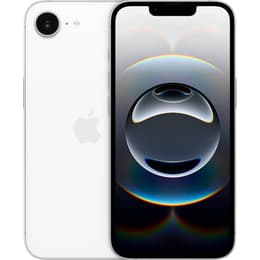
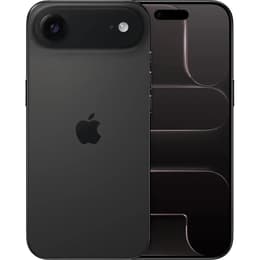
The iPhone 16e (2025) and the iPhone Air (2025) represent two distinct approaches to everyday mobile technology within Apple's ecosystem. While the iPhone 16e focuses on streamlined, essential functionality, the iPhone Air prioritizes an ultra-slim profile and advanced visual hardware. Both devices run on iOS and support modern applications, yet they cater to entirely different user preferences regarding physical design and daily interaction.
Colour
Storage (GB)
When evaluating long-term usability, both models benefit from Apple's standard multi-year software support window, ensuring they receive security patches and operating system upgrades for several years. The iPhone Air features a rigid titanium frame and newer internal architecture, whereas the iPhone 16e utilizes a classic aluminum construction with reliable water and dust resistance. Both devices offer strong build quality, though differences in physical thickness and battery wear characteristics mean user habits will dictate long-term durability.
Year of Release
OS
Foldable
Underneath the exterior, both smartphones handle demanding multitasking, navigation, and everyday applications smoothly, though they differ in storage tiers and thermal behavior. The iPhone 16e starts with sensible base storage configurations and a robust battery capacity designed to comfortably clear a full day of mixed usage. Meanwhile, the iPhone Air incorporates a higher-tier processing configuration with increased RAM allocations, supporting sustained intensive tasks while maintaining system fluidity.
Display characteristics form a major differentiator between these two models, impacting media consumption and outdoor readability. The iPhone 16e features a standard 6.1-inch OLED display with clear resolution and comfortable brightness for everyday viewing. In contrast, the iPhone Air steps up to a larger 6.5-inch panel equipped with adaptive high refresh rate technology for smoother scrolling, alongside significantly higher peak outdoor brightness levels.
Resolution
Photography and audio capabilities reflect the positioning of each device, providing reliable results for capturing memories and enjoying media. Both smartphones rely on a single primary high-resolution rear sensor capable of capturing crisp everyday photos and detailed video recordings. Speaker output on both models delivers clear dialogue for calls and balanced audio playback for casual video streaming.
Front camera
Practical everyday features, connectivity standards, and physical dimensions define how each phone feels in daily transit. The iPhone 16e retains a traditional form factor with standard thickness and weight, making it straightforward to grip. Conversely, the iPhone Air focuses heavily on a breakthrough thin profile, reducing overall weight while utilizing modern wireless connectivity and dual eSIM architecture.
Weight
Screen size (in)
Network
SIM card
Carrier compatibility
Connector
User feedback from online communities highlights distinct preferences when choosing between these two Apple handsets. Owners of the iPhone 16e frequently praise its dependable battery endurance, straightforward design, and reliable daily performance without unnecessary complexity. Conversely, users drawn to the iPhone Air consistently emphasize satisfaction with its remarkably thin profile, expansive high-refresh-rate screen, and premium tactile feel.
When deciding which device fits your lifestyle, consider your primary daily habits. Users prioritizing a lightweight physical build, large fluid display, and maximum visual immersion will find the iPhone Air well-suited to their needs. Meanwhile, users looking for a practical, compact device that handles essential tasks efficiently will lean toward the iPhone 16e. For those exploring sustainable purchasing alternatives, a quality-assured refurbished option from Back Market provides a reliable way to acquire these devices while supporting eco-friendly technology choices. Ultimately, your choice depends on whether physical minimalism or practical simplicity matters most to your daily routine.