

Compare models
Galaxy S24 Ultra Vs iPhone Air
- 1-year minimum warranty
- Free delivery on all orders
- Free 30-day returns
Differences at a glance
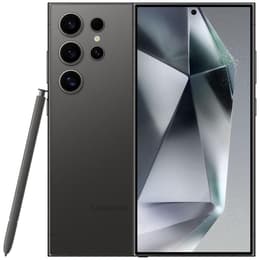
The Samsung Galaxy S24 Ultra (2024) and the Apple iPhone Air (2025) represent two distinct approaches to high-end mobile engineering, contrasting a feature-packed productivity powerhouse with an ultra-slim lifestyle design. While they operate on different software ecosystems—Android and iOS respectively—both devices target users seeking premium daily performance. The main differentiators lie in their physical form factors, with the Galaxy S24 Ultra prioritizing maximum hardware versatility and the iPhone Air focusing on a lightweight, exceptionally thin profile.
Available Models
Colour
Storage
Scores
Durability
Both smartphones are built to remain operational for many years, though they feature different release timelines and support windows that influence their long-term utility.
- Software longevity: The Galaxy S24 Ultra receives software updates for seven years from its release, while the iPhone Air follows Apple's standard multi-year support cycle starting from its 2025 debut.
- Repairability and build: Both models use robust titanium frames designed for physical durability, though their slim or heavily accessorized profiles translate to standard repair complexity scores for modern flagship devices.
- Expected lifespan: Users can expect extended practical utility from both models, as robust internal memory and capable system processors ensure they handle evolving applications smoothly over time.
Year of Release
2024
2025
Performance
Underneath their exteriors, these devices deliver rapid execution for everyday tasks, media consumption, and demanding applications through distinct hardware configurations.
- Storage and multitasking: Both options start with ample baseline storage capacities paired with generous memory configurations, enabling smooth app switching and heavy multitasking without noticeable slowdowns.
- System responsiveness: Applications launch instantly and complex tasks run efficiently on both devices, providing a fluid user experience whether browsing, streaming, or gaming.
- Battery behavior: The Galaxy S24 Ultra houses a larger battery capacity suited for extended heavy use, whereas the iPhone Air balances everyday endurance with a notably streamlined physical footprint that may require more frequent charging for intensive workflows.
Screen quality
Visual output is a central focus for both handsets, utilizing advanced display panels designed for clarity, vibrant color reproduction, and smooth motion.
- Display technology: Both devices employ high-end OLED technology providing deep contrast levels, sharp resolutions, and rich colors for viewing photos and video content.
- Brightness and outdoor visibility: High peak brightness levels ensure the screens remain easily legible under direct sunlight, adapting dynamically to various lighting environments.
- Refresh rate and size: Featuring adaptive high refresh rates up to 120Hz, both models offer smooth scrolling experiences, with the Galaxy S24 Ultra providing a slightly larger canvas compared to the iPhone Air's mid-sized footprint.
Audiovisual
Photography and media capabilities differ significantly based on the hardware layout chosen by each manufacturer for their respective chassis designs.
- Camera systems: The Galaxy S24 Ultra features a versatile multi-lens setup including dedicated telephoto zoom options, while the iPhone Air streamlines photography into a single high-resolution main lens supported by advanced computational processing.
- Video and low-light performance: Both handsets capture crisp video footage and handle low-light scenes effectively, though the multi-lens Android flagship offers greater framing flexibility across varied distances.
- Audio output: Clear microphone pickup and balanced speaker configurations ensure reliable performance during voice calls, video chats, and casual media playback.
Miscellaneous
Practical daily usability is shaped by connectivity standards, physical dimensions, and security features tailored to modern user habits.
- Connectivity and ports: Both devices support rapid modern wireless networks and standard USB-C physical connectivity, though Apple's ultra-slim model relies entirely on digital SIM technology in many regions.
- Security and biometrics: Fast authentication is handled via facial recognition or secure biometric scanning depending on the platform.
- Handling and dimensions: The Galaxy S24 Ultra offers a substantial, cornered feel with integrated stylus support, whereas the iPhone Air prioritizes an exceptionally thin and lightweight build that reduces pocket bulk.
Screen size (in)
6.8
6.5
Network
5G
5G
SIM card
Dual Physical SIM + eSIM
eSIM
Carrier compatibility
Unlocked
Unlocked
Connector
USB-C
USB-C
What the community thinks
Choosing between the Samsung Galaxy S24 Ultra and the Apple iPhone Air depends largely on individual workflow preferences and physical design priorities. Users prioritizing expansive multi-lens photography, stylus integration, and maximum battery capacity may prefer the Galaxy S24 Ultra. Conversely, users prioritizing a remarkably lightweight device, an ultra-slim profile, and the iOS ecosystem will find the iPhone Air well-suited to their needs. Both models represent top-tier engineering that can also be found as quality-assured refurbished options for eco-conscious consumers looking to make a sustainable choice without compromising on core performance.