

Compare models
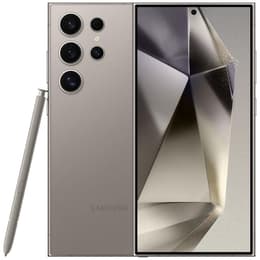
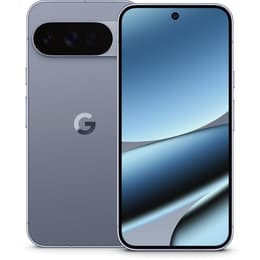
Galaxy S24 Ultra Vs Google Pixel 10 Pro
- 1-year minimum warranty
- Free delivery on all orders
- Free 30-day returns
Differences at a glance
The Samsung Galaxy S24 Ultra (2024) and the Google Pixel 10 Pro (2025) represent two different approaches to premium smartphone design, offering distinct hardware configurations and software ecosystems. While both devices deliver robust everyday performance and advanced capabilities, they differ significantly in physical dimensions, screen sizing, and interface philosophies. Choosing between them depends on how you balance device footprint with day-to-day usability.
Available Models
Colour
Storage (GB)
Scores
Durability
Both smartphones are built to remain functional and secure for many years, though their release timelines and software update commitments differ.
- Software Support Window: Both manufacturers provide extensive multi-year operating system and security updates, helping the devices stay current and protected over an extended practical lifespan.
- Repairability and Build Longevity: Each model utilizes sturdy outer frames and reinforced glass designed to withstand daily wear, while structural components support standard repair pathways when maintenance is needed.
Year of Release
2024
2025
Compatible with latest Update
Yes
Yes
OS
Android
Android
Foldable
No
No
Performance
The internal configurations of both devices handle heavy workloads, demanding applications, and routine multitasking with consistent smoothness.
- Memory and Multitasking: Generous random access memory capacity allows multiple demanding apps to run concurrently without background reloading or stuttering.
- Battery Behavior: Both models house robust battery capacities designed to last through a standard day of mixed use, supported by efficient power management systems.
Screen quality
Display technology on both handsets delivers clear visuals, though their physical scale and viewing profiles cater to distinct preferences.
- Display Technology: Advanced organic light-emitting diode panels produce deep contrast levels, sharp text clarity, and wide viewing angles under varied lighting conditions.
- Refresh Rate and Brightness: High adaptive refresh rates ensure smooth scrolling through web pages and documents, while high peak brightness levels maintain outdoor legibility.
Resolution
1440 x 3120
1280x2856
Screen type
Dynamic LTPO AMOLED 2X
LTPO OLED
Audiovisual
Imaging capabilities on both models provide versatile options for photography and video recording across diverse scenarios.
- Camera Array Versatility: Multi-lens configurations combine main, ultra-wide, and telephoto sensors to handle close-up details as well as wide landscapes with dependable clarity.
- Audio and Media Output: Stereo speaker setups deliver clear sound reproduction for media playback, complemented by sensitive multi-microphone arrays for calls and video recording.
Front camera
12 megapixels
42 megapixels
Miscellaneous
Physical dimensions and connectivity standards shape how each device fits into everyday routines and travel environments.
- Handling and Form Factor: The Galaxy S24 Ultra provides a larger, boxier canvas suited for stylus input, whereas the Google Pixel 10 Pro offers a more compact, rounded hand-holding experience.
- Connectivity and Ports: Modern wireless standards, rapid charging protocols, and universal Type-C ports ensure fast data transfer and reliable network connectivity.
Weight
232 g
207 g
Screen size (in)
6.8
6.3
Network
5G
5G
SIM card
Dual Physical SIM + eSIM
Physical SIM + eSIM
Carrier compatibility
Unlocked
Unlocked
What the community thinks
User feedback highlights distinct preferences for each device based on everyday handling and feature priorities. Users prioritizing a larger display real estate and integrated stylus functionality often lean toward the Galaxy S24 Ultra, while those seeking a more compact device footprint with streamlined software navigation frequently prefer the Google Pixel 10 Pro. Exploring a quality-assured refurbished option provides an eco-friendly alternative for acquiring either device while reducing electronic waste. Ultimately, your choice should depend on whether you value a spacious viewing area or a more pocket-friendly design.