
Galaxy S23 FE Vs iPhone 16

Galaxy S23 FE
Galaxy S23 FE
Starting at

Refurbished price:226.00

Versus €708.98 new

See options
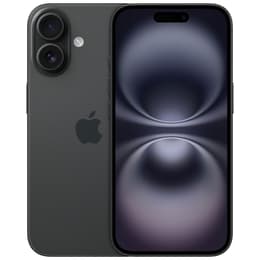
iPhone 16
iPhone 16
Starting at

Refurbished price:549.00

Versus €879.00 new

See options

Ratings

The Samsung Galaxy S23 FE, released in October 2023, and the Apple iPhone 16, expected in late 2025, represent distinct approaches to smartphone design and functionality. While the Galaxy S23 FE offers a comprehensive Android experience with a versatile camera system, the iPhone 16 is anticipated to bring Apple's latest advancements in processing power and camera technology within its iOS ecosystem. These devices cater to different user preferences, primarily distinguished by their operating systems and hardware philosophies.

Scores

Durability

When considering the long-term usability of these devices, their respective release timelines and software support policies play a significant role.

  • Release Timeline: The Galaxy S23 FE launched in October 2023, making it a more established device. The iPhone 16, as a newer model expected in late 2025, benefits from a later starting point in its lifecycle.
  • Software Longevity: Samsung typically provides around four years of operating system updates and five years of security updates for its devices, including the Galaxy S23 FE. Apple generally offers a longer support window, with iPhones receiving major iOS updates for approximately six to seven years from their release, suggesting the iPhone 16 will have extended software longevity.
  • Durability Features: Both devices feature robust build quality. The Galaxy S23 FE is protected by Corning Gorilla Glass 5 on the front and back and carries an IP68 rating for dust and water resistance. The iPhone 16 is expected to feature Apple's Ceramic Shield front cover and an IP68 rating, offering comparable protection against environmental elements.

Year of Release

2023

2024

Compatible with latest Update

Yes

Yes

Foldable

No

No

Performance

The performance of a smartphone is largely determined by its internal components and how efficiently they handle various tasks, from everyday browsing to demanding applications.

  • Processing Capabilities: The Galaxy S23 FE is equipped with a processor that was considered high-end in 2022, providing smooth performance for most applications and multitasking. The iPhone 16 is expected to feature a next-generation processor, likely built on a more advanced manufacturing process, which should offer a notable increase in raw computing power and energy efficiency.
  • System Responsiveness: For daily use, both devices are designed to be highly responsive. The Galaxy S23 FE handles app loading and transitions efficiently, suitable for users who engage in a mix of productivity and entertainment. The iPhone 16, with its newer hardware and optimized software, is anticipated to deliver even smoother interactions and faster processing for complex tasks, including advanced AI features.
  • Memory and Storage: Both models typically come with 8GB of RAM, which supports effective multitasking. Storage options for the Galaxy S23 FE include 128GB and 256GB, without expandable storage. The iPhone 16 is expected to offer similar storage configurations, potentially including a 512GB option, also without expandable storage.

Memory (GB)

8 GB

8 GB

Screen quality

The visual experience is a key aspect of smartphone usage, and both devices offer high-quality displays with distinct characteristics.

  • Display Technology: The Galaxy S23 FE features a 6.4-inch Dynamic AMOLED 2X display, known for its vibrant colors, deep blacks, and excellent contrast. The iPhone 16 is expected to come with a 6.1-inch Super Retina XDR OLED display, which also provides rich colors and high contrast.
  • Resolution and Brightness: The Galaxy S23 FE offers a Full HD+ resolution (1080 x 2340 pixels) and a peak brightness of 1450 nits, ensuring clear visuals even in bright conditions. The iPhone 16 is anticipated to have a resolution of 2556 x 1179 pixels at 460 ppi, providing sharp image quality.
  • Refresh Rate: The Galaxy S23 FE boasts an adaptive 120Hz refresh rate, contributing to smoother scrolling and more fluid animations. While the standard iPhone 16 model may retain a 60Hz or 90Hz refresh rate, the overall display experience is optimized for the iOS interface.

Resolution

1080 x 2340

1179 x 2556

Screen type

Dynamic AMOLED 2X

Super Retina XDR OLED

Audiovisual

Photography and videography capabilities are often a deciding factor for many users, and both smartphones offer advanced camera systems.

  • Rear Camera System: The Galaxy S23 FE features a versatile triple-camera setup, including a 50-megapixel main sensor with optical image stabilization (OIS), a 12-megapixel ultrawide lens, and an 8-megapixel telephoto lens with 3x optical zoom. This configuration allows for a wide range of photographic styles, from expansive landscapes to detailed close-ups. The iPhone 16 is expected to have a dual-camera system, likely featuring an improved 48-megapixel main sensor with a wider aperture and a 12-megapixel ultrawide lens with enhanced low-light performance.
  • Photography Features: The Galaxy S23 FE supports 8K video recording and offers features like Nightography for improved low-light photos. The iPhone 16 is anticipated to introduce macro photography to its standard models for the first time and will likely feature a new vertical camera arrangement to enable spatial video recording.
  • Front Camera and Audio: Both devices include capable front-facing cameras for selfies and video calls. The Galaxy S23 FE has a 10-megapixel front camera. The iPhone 16 is expected to continue Apple's focus on high-quality front camera performance. Both phones offer stereo speakers for an immersive audio experience.

Main camera

50 megapixels

48 megapixels

Front camera

10 megapixels

12 megapixels

Miscellaneous

Beyond core features, several practical elements contribute to the overall user experience and device utility.

  • Connectivity: The Galaxy S23 FE supports 5G, Wi-Fi 6E, and Bluetooth 5.3, providing fast and reliable wireless connections. The iPhone 16 will also support 5G, and while its Pro models are expected to feature Wi-Fi 7, the standard iPhone 16 may come with Wi-Fi 6E, along with an updated Bluetooth standard.
  • Ports and Biometrics: Both smartphones utilize a USB-C port for charging and data transfer. The Galaxy S23 FE incorporates an optical under-display fingerprint sensor for secure unlocking. The iPhone 16 relies on Face ID for biometric authentication.
  • Design and Handling: The Galaxy S23 FE measures 158 x 76.5 x 8.2 mm and weighs 209g, offering a substantial feel in hand. The iPhone 16 is expected to be slightly more compact and lighter, with dimensions of approximately 147.6 x 71.6 x 7.8 mm and a weight of around 170g, potentially making it easier for one-handed use.

Weight

209 g

170 g

Screen size (in)

6.4

6.1

Network

5G

5G

SIM card

Physical SIM

eSIM

Carrier compatibility

Unlocked

Unlocked

The Samsung Galaxy S23 FE and the iPhone 16 cater to users with differing priorities, reflecting their distinct operating systems and design philosophies. Users often praise the Galaxy S23 FE for its vibrant display, versatile camera system with a dedicated telephoto lens, and the flexibility of the Android ecosystem. Some common feedback points include its processor being a generation older than current flagships and its battery life, while generally good, not always matching the endurance of some competitors.

The iPhone 16, on the other hand, is anticipated to be lauded for its cutting-edge processing power, seamless integration within the Apple ecosystem, and expected improvements in camera performance, including new features like macro photography. User discussions around new iPhones often focus on the consistent software experience and long-term support. Early user reports for the iPhone 16 suggest improved battery life compared to previous generations, with many finding it sufficient for a full day of use, though individual experiences can vary.

Users prioritizing a larger, vibrant AMOLED display and a comprehensive triple-camera setup with optical zoom may find the Galaxy S23 FE well-suited to their needs. It offers a robust Android experience with a strong feature set. Conversely, users who value the latest in mobile processing technology, a streamlined iOS experience, and potentially longer software support will likely lean towards the iPhone 16. Its expected camera enhancements and compact design could also be key decision factors. Both devices represent solid choices in their respective categories, and opting for a quality-assured refurbished option can be an eco-friendly alternative for either model, providing access to advanced technology while supporting sustainable consumption.


See all articles

Our recent comparisons






