


Compare models
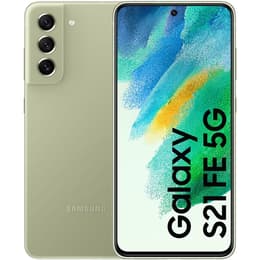
Galaxy S21 FE 5G Vs iPhone Air
- 1-year minimum warranty
- Free delivery on all orders
- Free 30-day returns
Differences at a glance
The Samsung Galaxy S21 FE 5G (2022) and the Apple iPhone Air (2025) represent different eras and philosophies in mobile device engineering. While the Galaxy S21 FE 5G focuses on providing core flagship experiences within an accessible build, the iPhone Air introduces a radically slim profile and a fresh design direction to Apple's smartphone lineup. Operating on Android and iOS respectively, these two devices offer distinct approaches to daily mobile computing, software interaction, and physical form factor.
Available Models
Colour
Storage
Scores
Durability
When examining hardware longevity and software support, these devices reflect their different release timelines and operating system frameworks.
- Software Support: The iPhone Air benefits from a significantly later release year, ensuring extended major operating system upgrades, whereas the Galaxy S21 FE 5G is further along in its official update lifecycle.
- Build Materials: The iPhone Air utilizes a titanium frame paired with reinforced glass protection, while the Galaxy S21 FE 5G employs a durable plastic back with an aluminum frame designed to withstand everyday wear.
- Practical Lifespan: Users seeking long-term system updates will find the newer Apple model well-suited for extended ownership, though both handle routine daily tasks reliably for current users.
Year of Release
2022
2025
Compatible with latest Update
Yes
Yes
OS
Android
iOS
Foldable
No
No
Performance
Processing capabilities and multitasking behavior vary noticeably due to generational gaps in internal hardware and memory configurations.
- System Responsiveness: The iPhone Air handles intensive multitasking, demanding applications, and high-end gaming with smooth efficiency, while the Galaxy S21 FE 5G manages everyday apps, social media, and moderate multitasking reliably.
- Storage and Memory: The iPhone Air starts with higher base storage capacities and generous memory allocations, whereas the Galaxy S21 FE 5G offers fixed storage tiers without expandable options.
- Battery Behavior: The Galaxy S21 FE 5G's modest battery capacity requires daily charging under typical use, while the iPhone Air balances its slim profile with optimized power management to sustain everyday routines.
Screen quality
Visual output and display responsiveness differ across these models, impacting media consumption and outdoor readability.
- Display Technology: Both devices feature vibrant OLED displays that deliver deep black levels and high contrast, though the iPhone Air incorporates a larger panel with a smoother dynamic refresh rate.
- Outdoor Visibility: High peak brightness levels on both screens ensure content remains legible under direct sunlight, making navigation and reading comfortable outdoors.
- Viewing Experience: The iPhone Air offers a more expansive viewing area with slim bezels, whereas the Galaxy S21 FE 5G presents a compact form factor that is easy to handle with one hand.
Resolution
1080 x 2340
2736x1260
Screen type
Dynamic AMOLED 2X
Super Retina XDR
Audiovisual
Media capture and audio output capabilities diverge based on the hardware configurations chosen by each manufacturer.
- Camera Systems: The iPhone Air relies on a single high-resolution main camera paired with advanced computational photography, while the Galaxy S21 FE 5G features a versatile multi-lens setup including an optical telephoto option.
- Video and Low Light: Both smartphones deliver clear video recording quality and sharp low-light images, though specialized zoom shots favor the multi-lens layout of the Samsung device.
- Audio Output: Media playback and speaker clarity provide adequate sound for casual listening, with the quality-assured refurbished option remaining a popular choice for budget-conscious multimedia consumers.
Main camera
12 megapixels
48 megapixels
Front camera
32 megapixels
18 megapixels
Miscellaneous
Physical dimensions, connectivity standards, and daily usability features define the practical handling of each smartphone.
- Design and Weight: The iPhone Air stands out for its exceptionally thin profile and lightweight titanium construction, whereas the Galaxy S21 FE 5G offers a traditional, lightweight plastic-backed chassis.
- Connectivity: Both models support modern 5G networks, high-speed Wi-Fi standards, and Bluetooth connectivity for seamless peripheral pairing.
- Biometrics: Security is handled via facial recognition on the Apple device and an in-display fingerprint scanner on the Samsung model, catering to different user preferences.
Weight
177 g
165 g
Screen size (in)
6.4
6.5
Network
5G
5G
SIM card
Physical SIM
eSIM
Carrier compatibility
Unlocked
Unlocked
Connector
USB-C
USB-C
What the community thinks
Choosing between the Samsung Galaxy S21 FE 5G and the iPhone Air depends largely on individual hardware preferences and operating system familiarity. Users prioritizing a lightweight, exceptionally thin design, extended software longevity, and high-end processing capabilities may prefer the iPhone Air. Conversely, users seeking a compact Android interface, multi-lens camera versatility, and a straightforward everyday device will find the Galaxy S21 FE 5G aligns well with their needs.
For consumers exploring sustainable choices, looking into a quality-assured refurbished option provides an eco-friendly alternative to purchasing newly manufactured hardware without compromising on functional reliability. Reviewers and everyday users frequently note that while the iPhone Air excels in form factor innovation, the Galaxy S21 FE 5G remains a practical tool for standard daily tasks. Evaluating personal priorities regarding software ecosystems and physical handling will ultimately guide the right decision.









