

Compare models

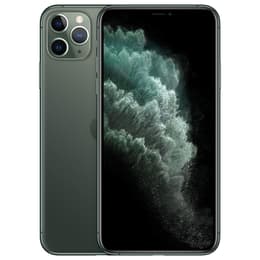
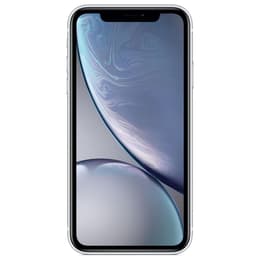
iPhone 11 Pro Max Vs iPhone XR

  • 1-year minimum warranty
  • Free delivery on all orders
  • Free 30-day returns
iPhone 11 Pro Max
iPhone 11 Pro Max
Starting at

Refurbished price:209.00

Versus €939.00 new

See options
iPhone XR
iPhone XR
Starting at

Refurbished price:123.00

Versus €439.00 new

See options

Differences at a glance

The iPhone 11 Pro Max, released in September 2019, and the iPhone XR, launched in October 2018, represent different tiers within Apple's smartphone lineup from consecutive years. While both devices offer the iOS experience, the 11 Pro Max distinguishes itself with a more advanced camera system, a superior display, and enhanced performance capabilities. The iPhone XR, on the other hand, was positioned as a more accessible option, focusing on core functionality and a vibrant design.

Scores

Durability

When considering the practical lifespan of these devices, several factors come into play, including their release timelines and ongoing software support.

  • Release Timeline: The iPhone XR was released in October 2018, making it approximately one year older than the iPhone 11 Pro Max, which debuted in September 2019. This difference in launch date directly impacts their expected software support windows.
  • OS Support Duration: The iPhone XR received major iOS updates through iOS 18, which was released in 2024. It is not compatible with iOS 26, released in 2025, meaning it will no longer receive new feature updates but may still get security patches for iOS 18. The iPhone 11 Pro Max, being a newer device, currently runs iOS 26 and is expected to receive major software updates for a longer period, likely extending its functional lifespan by at least another year compared to the XR.
  • Repairability: The iPhone XR scored a 6 out of 10 on iFixit's repairability scale, indicating it is moderately repairable. Common repairs like display and battery replacements are considered relatively straightforward. While a specific iFixit score for the 11 Pro Max wasn't readily available, both models feature glass backs, which can be costly to repair if damaged.

Year of Release

2019

2018

Compatible with latest Update

Yes

Yes

OS

iOS

iOS

Foldable

No

No

Performance

The performance of a smartphone is crucial for daily tasks, from launching applications to engaging in demanding activities like gaming and video editing. Both devices offer capable performance for their respective generations.

  • Everyday Responsiveness: The iPhone XR, powered by its internal processor, handles daily applications and general multitasking smoothly. Users can expect a fluid experience for web browsing, social media, and most common apps. The iPhone 11 Pro Max, featuring a newer generation processor, offers a noticeable boost in speed and efficiency. This translates to faster app loading times, more seamless transitions between applications, and a more responsive overall user interface.
  • Demanding Tasks: For more intensive applications, such as graphic-heavy games or video editing, the iPhone 11 Pro Max provides a more robust experience. Its enhanced processing power allows for smoother gameplay at higher frame rates and quicker rendering times for creative tasks. The iPhone XR can run many of these applications, but users might experience longer load times or reduced graphical settings in the most demanding scenarios.
  • Battery Behavior: The iPhone XR was noted for its impressive battery life at its release, often lasting a full day for many users. Some tests showed it achieving nearly 20 hours of video playback. The iPhone 11 Pro Max, however, set a new standard for iPhone battery longevity, with many users reporting it could comfortably last up to two days on a single charge with moderate use, and over 40 hours in some controlled tests. This makes the 11 Pro Max particularly well-suited for users who require extended usage without frequent recharging.

Memory (GB)

4 GB

3 GB

Screen quality

The display is a primary interface for any smartphone, and these two models offer distinct viewing experiences.

  • Display Technology: The iPhone XR features a 6.1-inch Liquid Retina HD display, which is an advanced LCD panel. The iPhone 11 Pro Max, on the other hand, boasts a 6.5-inch Super Retina XDR display, utilizing OLED technology. OLED technology typically provides deeper blacks and higher contrast ratios compared to LCD.
  • Resolution and Clarity: The iPhone XR has a resolution of 1792 by 828 pixels at 326 pixels per inch (ppi). The iPhone 11 Pro Max offers a sharper viewing experience with a resolution of 2688 by 1242 pixels at 458 ppi. This higher pixel density on the 11 Pro Max results in finer detail and crisper text and images.
  • Brightness and Viewing Experience: The iPhone XR has a typical maximum brightness of 625 nits. The iPhone 11 Pro Max significantly surpasses this with a typical maximum brightness of 800 nits and a peak brightness of 1200 nits when displaying HDR content, making it more visible in bright outdoor conditions and offering a more immersive HDR viewing experience. Both displays support True Tone and wide color (P3).
  • Screen Size: The iPhone 11 Pro Max provides a larger 6.5-inch screen compared to the iPhone XR's 6.1-inch display, offering more screen real estate for media consumption and multitasking.

Resolution

1242 x 2688

828 x 1792

Screen type

Super Retina XDR OLED

Liquid Retina IPS LCD

Audiovisual

The camera systems are a significant differentiator between these two iPhone models, catering to different photography needs.

  • Rear Camera System: The iPhone XR features a single 12-megapixel wide-angle camera with an f/1.8 aperture, capable of optical image stabilization and Smart HDR for photos. The iPhone 11 Pro Max introduces a versatile triple-camera system, including a 12-megapixel Ultra Wide (f/2.4), Wide (f/1.8), and Telephoto (f/2.0) lens. This setup provides greater flexibility for different shooting scenarios, from expansive landscapes to zoomed-in portraits.
  • Low-Light Photography and Features: The iPhone 11 Pro Max significantly improves low-light performance with the introduction of Night mode, which brightens images and reduces noise in dim conditions. It also features Deep Fusion for enhanced texture and detail in medium to low light, and next-generation Smart HDR. The iPhone XR relies on its Smart HDR for improved dynamic range but lacks a dedicated Night mode, making its low-light performance less capable.
  • Portrait Mode and Video: Both phones offer Portrait mode with Depth Control. The iPhone XR uses software to achieve this effect with its single lens, primarily for human subjects. The iPhone 11 Pro Max enhances Portrait mode by allowing users to choose between the Wide and Telephoto lenses for different perspectives and offers more advanced Portrait Lighting effects. For video, both record 4K video at up to 60 frames per second, but the 11 Pro Max offers extended dynamic range for video and cinematic video stabilization across all its rear cameras. The 11 Pro Max also features a 12MP TrueDepth front camera with 4K video recording and slo-mo selfies, an upgrade from the XR's 7MP front camera.

Main camera

12 megapixels

12 megapixels

Front camera

12 megapixels

7 megapixels

Miscellaneous

Beyond the core features, several practical elements contribute to the overall user experience and device utility.

  • Connectivity: Both the iPhone XR and iPhone 11 Pro Max support Wi-Fi and Bluetooth 5.0 for wireless connections. The iPhone 11 Pro Max introduces support for Wi-Fi 6, offering potentially faster and more efficient wireless internet connections when paired with compatible routers. Neither model supports 5G cellular connectivity.
  • Ports and Sensors: Both devices utilize the Lightning port for charging and data transfer. Neither includes a traditional headphone jack. For biometric security, both rely on Face ID for secure authentication and unlocking. The iPhone 11 Pro Max also includes Apple's U1 Ultra Wideband chip, which enhances spatial awareness and enables more precise AirDrop functionality with other U1-equipped devices.
  • Build Materials and Durability: The iPhone XR features an aluminum frame and a glass back, with an IP67 rating for water and dust resistance, meaning it can withstand immersion in up to 1 meter of water for 30 minutes. The iPhone 11 Pro Max steps up durability with a stainless steel frame and features what Apple described as the toughest glass in a smartphone at its release. It carries an IP68 rating, allowing for submersion in up to 4 meters of water for 30 minutes. The larger size and weight of the 11 Pro Max (226g) compared to the XR (194g) can also impact handling.

Weight

226 g

194 g

Screen size (in)

6.5

6.1

Network

4G

4G

SIM card

Physical SIM + eSIM

Physical SIM + eSIM

Carrier compatibility

Unlocked

Unlocked

Connector

Lightning

Lightning

What the community thinks

The iPhone 11 Pro Max and iPhone XR, while both offering a consistent iOS experience, cater to different user priorities. The iPhone XR was widely praised for its strong battery life for its generation and its vibrant color options, making it a popular choice for users seeking a reliable iPhone experience without the premium features of the Pro line. Criticisms often centered on its lower-resolution LCD display compared to OLED models and its single rear camera's limitations in certain scenarios, particularly low light.

The iPhone 11 Pro Max, conversely, garnered significant acclaim for its groundbreaking battery life, often lasting two full days for many users, and its highly versatile triple-camera system, which introduced features like Night mode and an Ultra Wide lens. Some users found its larger size and weight to impact ergonomics, and its starting storage options were sometimes seen as limited for a 'Pro' device.

Users prioritizing an extended battery life, a more advanced and versatile camera system for diverse photography, and a high-resolution OLED display for media consumption will find the iPhone 11 Pro Max well-suited to their needs. Its enhanced performance also benefits those who frequently engage in demanding applications or mobile gaming. Conversely, users who value a more compact and lighter device, still desire a capable camera for everyday photos, and appreciate a long-lasting battery for general use, may lean toward the iPhone XR. Both devices continue to offer a robust smartphone experience, and opting for a quality-assured refurbished option can provide an eco-friendly alternative for either model.







