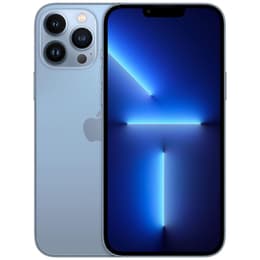


Galaxy Z Fold4 Vs iPhone 13 Pro Max

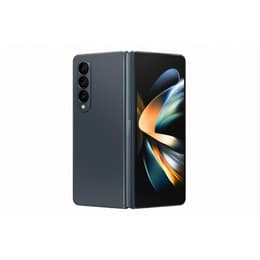
Galaxy Z Fold4
Galaxy Z Fold4
Starting at

Refurbished price:470.00

Versus €1,799.00 new

See options
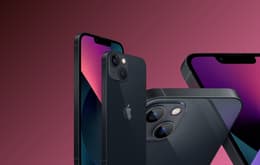
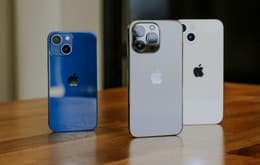
iPhone 13 Pro Max
iPhone 13 Pro Max
Starting at

Refurbished price:372.00

Versus €1,249.00 new

See options

Ratings

The Samsung Galaxy Z Fold4 (released August 2022) and the iPhone 13 Pro Max (released September 2021) represent distinct approaches to high-end smartphone design. The Galaxy Z Fold4 offers a unique foldable form factor, transforming from a traditional smartphone into a larger tablet-like display, while the iPhone 13 Pro Max provides a premium, large-screen experience within a conventional slab design. Both devices operate on their respective proprietary operating systems, Android for the Fold4 and iOS for the 13 Pro Max, offering different ecosystems and user interfaces.

Scores

Durability

When considering the practical lifespan of these devices, several factors come into play, including their release timelines, software support, and physical durability.

  • Release Timeline: The iPhone 13 Pro Max was released in September 2021, making it approximately a year older than the Galaxy Z Fold4, which launched in August 2022. This difference in release date can influence the duration of future software support.
  • Software Longevity: Apple typically provides major iOS updates for its devices for about 5-7 years, with security patches extending even further. The iPhone 13 Pro Max, having launched with iOS 15, is expected to receive major updates for several more years. Samsung has committed to providing 7 years of security updates for its flagship Galaxy smartphones, including the Z Fold4, and typically offers several years of Android OS upgrades.
  • Physical Durability: The iPhone 13 Pro Max features a Ceramic Shield front cover and an IP68 rating for water and dust resistance, contributing to its robust build. The Galaxy Z Fold4, with its foldable design, has an IPX8 water resistance rating but is not dustproof. It utilizes Armor Aluminum for its frame and Gorilla Glass Victus+ for its cover screen and back. User experiences suggest the Fold4's hinge feels stiffer and more refined than its predecessor, though concerns about the inner screen's crease and long-term durability of the folding mechanism are sometimes noted.

Year of Release

2022

2021

Compatible with latest Update

Yes

Yes

OS

Android

iOS

Foldable

Yes

No

Performance

Both devices offer high-level performance, though their underlying architectures and user experiences differ.

  • Multitasking and Responsiveness: The Galaxy Z Fold4, with its larger internal display and 12GB of RAM, is designed for extensive multitasking, allowing users to run multiple applications simultaneously with smooth transitions. The iPhone 13 Pro Max, equipped with 6GB of RAM, also handles demanding applications and multitasking efficiently, providing a fluid user experience within the iOS ecosystem.
  • Application Handling: The iPhone 13 Pro Max's processor delivers strong performance for day-to-day apps and graphically intensive games, ensuring smooth operation. The Galaxy Z Fold4's processor also provides ample power for demanding tasks and gaming, with users reporting smooth performance and improved battery efficiency.
  • Storage Options: Both devices offer a range of storage capacities to suit different user needs. The Galaxy Z Fold4 is available with 256GB, 512GB, or 1TB of internal storage. The iPhone 13 Pro Max offers 128GB, 256GB, 512GB, and 1TB storage options.

Memory (GB)

12 GB

6 GB

Screen quality

The display experience is a primary differentiator between these two smartphones, with the Fold4 offering a unique adaptable screen.

  • Display Technology and Size: The Galaxy Z Fold4 features a 7.6-inch foldable Dynamic AMOLED 2X main display and a 6.2-inch Dynamic AMOLED 2X cover display. The iPhone 13 Pro Max has a 6.7-inch Super Retina XDR OLED display. The Fold4's larger internal screen provides a tablet-like viewing area, while the iPhone offers a substantial, traditional smartphone display.
  • Resolution and Clarity: The Fold4's main display has a resolution of 1812 x 2176 pixels, and its cover display is 904 x 2316 pixels. The iPhone 13 Pro Max features a resolution of 2778 x 1284 pixels, resulting in sharp and clear visuals.
  • Refresh Rate and Brightness: Both devices feature adaptive refresh rates up to 120Hz, contributing to smoother scrolling and more fluid animations. The iPhone 13 Pro Max offers a typical maximum brightness of 1000 nits, with a peak HDR brightness of 1200 nits, providing excellent visibility in various lighting conditions. The Fold4's displays also offer vibrant colors and good brightness for outdoor use.

Resolution

1812 x 2176

1284 x 2778

Screen type

Foldable Dynamic AMOLED 2X

Super Retina XDR OLED

Audiovisual

Both smartphones are equipped with advanced camera systems designed to capture high-quality photos and videos, though with different characteristics.

  • Rear Camera Systems: The Galaxy Z Fold4 features a triple-camera setup on the rear, including a 50MP wide-angle main camera with optical image stabilization (OIS), a 12MP ultra-wide camera, and a 10MP telephoto camera with 3x optical zoom. The iPhone 13 Pro Max also has a triple 12MP camera system, consisting of a wide, ultra-wide, and telephoto lens, with 3x optical zoom and sensor-shift OIS on the wide lens.
  • Photography Performance: Users generally praise the iPhone 13 Pro Max for its consistent image quality across various conditions, including strong low-light performance and excellent video capabilities. The Galaxy Z Fold4's cameras are noted for taking great pictures, with improvements over previous generations, though some users suggest iPhone still has an edge in video quality and night mode.
  • Front-Facing Cameras: The Fold4 includes a 10MP camera on its cover display and a 4MP under-display camera on the main screen. The iPhone 13 Pro Max features a 12MP front camera.

Main camera

50 megapixels

12 megapixels

Front camera

4 megapixels

12 megapixels

Miscellaneous

Beyond core features, several practical elements contribute to the overall user experience and differentiate these devices.

  • Connectivity and Ports: Both devices support 5G connectivity, along with modern Wi-Fi standards (Wi-Fi 6 for iPhone 13 Pro Max, Wi-Fi 6E for Fold4) and Bluetooth 5.2. The iPhone 13 Pro Max uses a Lightning port for charging and data transfer, while the Galaxy Z Fold4 features a USB-C port.
  • Biometric Security: The iPhone 13 Pro Max relies on Face ID for secure facial recognition. The Galaxy Z Fold4 incorporates a side-mounted fingerprint sensor for biometric authentication.
  • Design and Handling: The Galaxy Z Fold4 weighs 263g and has dimensions of 155.1 x 67.1 x 14.2-15.8 mm when folded, and 155.1 x 130.1 x 6.3 mm when unfolded. The iPhone 13 Pro Max weighs 240g and measures 160.8 x 78.1 x 7.65 mm. The Fold4's design allows for a compact phone experience when closed and an expansive tablet experience when open, while the iPhone offers a large, traditional smartphone form factor. The Fold4 also supports S Pen (Fold Edition) for enhanced productivity.

Weight

263 g

238 g

Screen size (in)

7.6

6.7

Network

5G

5G

SIM card

Dual Physical SIM + eSIM

Physical SIM + eSIM

Carrier compatibility

Unlocked

Unlocked

Connector

USB-C

Lightning

User sentiment for the iPhone 13 Pro Max often highlights its exceptional battery life, robust performance, and high-quality camera system as major strengths. Many users consider it a highly reliable and durable device, with some stating they have no immediate need to upgrade due to its continued strong performance. Common criticisms, however, include its substantial weight and large size, which can make one-handed use challenging for some. The continued use of the Lightning port and slower charging speeds compared to some competitors are also occasionally mentioned.

For the Galaxy Z Fold4, users frequently praise its innovative foldable design, which offers a versatile large screen for multitasking and media consumption. The improved aspect ratio of the cover screen and the overall refined build are also well-received. The multitasking capabilities are a significant draw, allowing for a laptop-like experience in a portable form. Some users express concerns about the long-term durability of the folding screen and the visibility of the crease. The camera system, while good, is sometimes noted as not reaching the same level as some traditional flagship phones, and the absence of a built-in S Pen is a minor point for some.

Users prioritizing a large, immersive display for productivity, media consumption, and advanced multitasking may find the Galaxy Z Fold4 well-suited to their needs. Its unique form factor offers flexibility for different usage scenarios. Conversely, users who value a consistently excellent camera, industry-leading battery life in a traditional smartphone design, and a long software support window may lean toward the iPhone 13 Pro Max. Both devices represent premium options, and considering a quality-assured refurbished option can be an eco-friendly alternative for acquiring either of these advanced smartphones.


See all articles

Our recent comparisons